.webp)
%2B(7).webp)
.png)
At a Glance
High LDL cholesterol doesn't mean you're stuck on medication forever. With strategic dietary changes—like adding soluble fiber foods, swapping to healthy fats, and incorporating plant sterols—you can lower cholesterol naturally and see meaningful improvements in 3-6 months. This isn't about deprivation; it's about smart, sustainable swaps that fit your real life.
Feeling Overwhelmed by a High LDL Cholesterol Number? You're Not Alone
Seeing "high LDL cholesterol" on your lab report can feel like a gut punch. Maybe your doctor mentioned medication, or maybe you're just wondering how this happened when you thought you were doing everything right. Here's what I want you to know: you have so much more control than you think.
I work with women in their 20s, 30s, and 40s every single day who successfully lower their cholesterol without overhauling their entire lives or giving up foods they love. We're not talking about bland chicken and steamed broccoli forever. Instead, we're focusing on strategic, evidence-based additions and swaps that make a real difference—and actually taste good.
Let's break down five practical, scientifically-backed ways to reduce cholesterol without medication, straight from my clinical practice.
1. Make Soluble Fiber Your Secret Weapon
If I could give you one single tool to lower LDL fast, it would be soluble fiber. Here's why: soluble fiber acts like a sponge in your digestive tract, binding to cholesterol particles and escorting them out of your body before they ever reach your bloodstream [1]. Studies show that consuming just 5-10 grams of soluble fiber daily can reduce LDL cholesterol by up to 5% [2].
The beauty of this approach? You're adding, not restricting. No one feels deprived when they're eating more delicious food.
Best Soluble Fiber Foods to Add Today
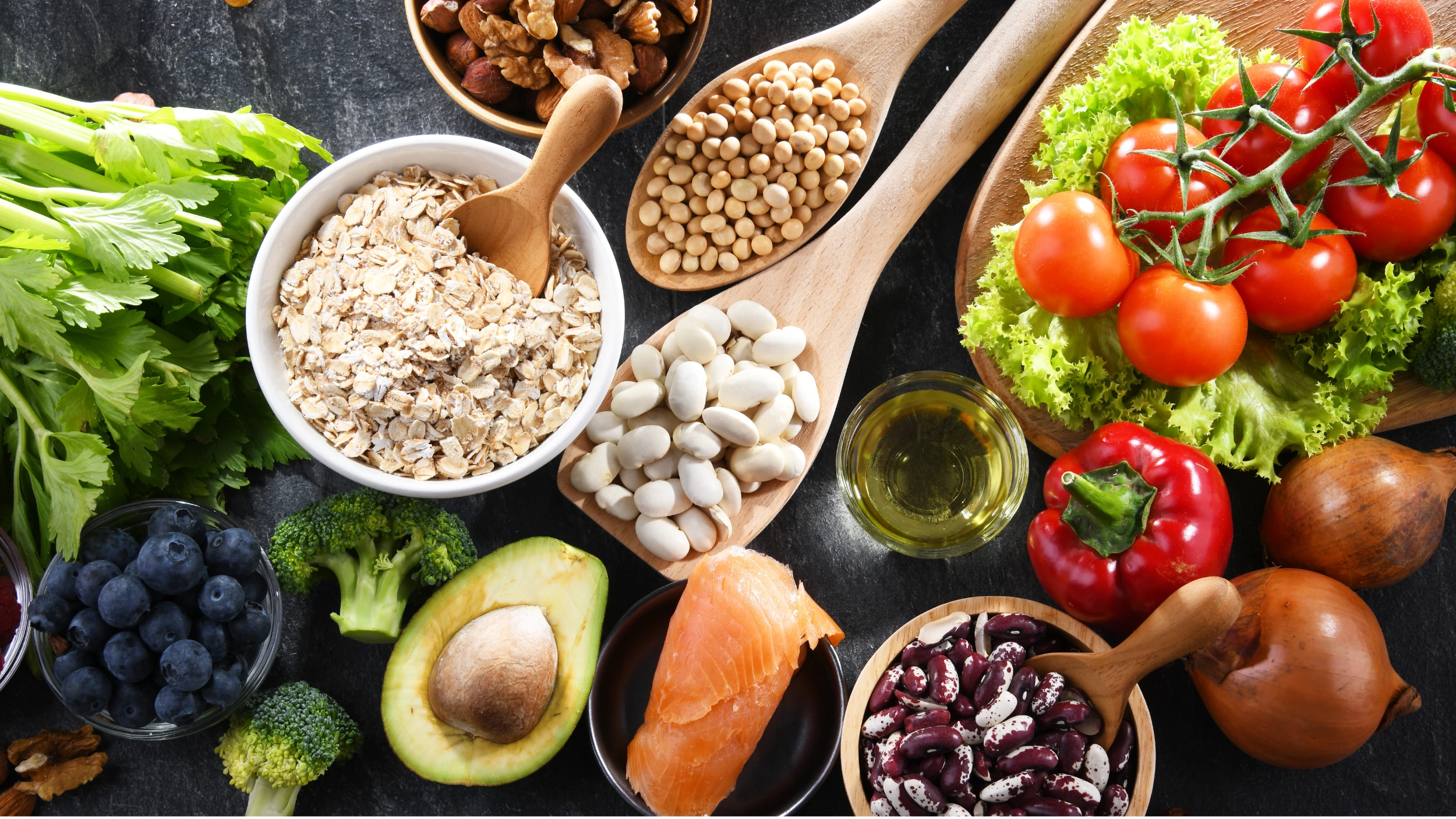
- Oats and Oat Bran: A bowl of oatmeal delivers about 2 grams of soluble fiber. Top it with berries and ground flaxseed for an extra boost.
- Chia Seeds: Two tablespoons pack nearly 10 grams of fiber. Stir them into yogurt or make overnight chia pudding.
- Beans and Lentils: A half-cup serving gives you 2-3 grams of soluble fiber. Toss them into salads, soups, or grain bowls.
- Apples and Pears: These fruits contain pectin, a powerful type of soluble fiber. Eat them with the skin on for maximum benefit.
- Brussels Sprouts and Carrots: Roast them with olive oil for a fiber-rich side dish that actually tastes amazing.
If you're looking for more guidance on building balanced, nutrient-dense meals, check out our complete guide to anti-inflammatory eating for women.
2. Swap Your Fats Strategically (Not Drastically)
Here's a truth bomb: fat isn't your enemy. The type of fat you eat determines whether your cholesterol goes up or down. Saturated fats—found in butter, fatty cuts of red meat, and full-fat dairy—raise LDL cholesterol [3]. Trans fats, often hiding in processed baked goods and fried foods, are even worse.
But healthy fats? They're your best friend. Monounsaturated and polyunsaturated fats actually help lower bad cholesterol while supporting good HDL levels [4]. The goal isn't to eat less fat—it's to eat better fat.
Simple Fat Swaps That Lower Cholesterol
- Use Extra Virgin Olive Oil or Avocado Oil: Replace butter and coconut oil in cooking. These oils are rich in monounsaturated fats that reduce LDL.
- Choose Fatty Fish Twice Weekly: Salmon, mackerel, and sardines contain omega-3 fatty acids that reduce triglycerides and inflammation [5].
- Snack on Nuts and Seeds: A quarter-cup of almonds or walnuts daily can lower LDL by up to 5%. They're portable, satisfying, and ridiculously good for your heart.
- Swap Ground Beef for Turkey or Chicken: When you do eat meat, choose lean cuts and remove visible fat and skin.
- Try Avocado Instead of Cheese: Mash avocado on toast or use it as a creamy topping for tacos and salads.
These aren't massive sacrifices—they're strategic upgrades that make your meals work harder for your heart health.
3. Harness the Power of Plant Sterols and Stanols
Okay, this might sound a little science-y, but stick with me because plant sterols and stanols are absolute game-changers. These natural compounds are structurally similar to cholesterol, which means they compete for absorption in your intestines. When you eat foods containing plant sterols, they literally block dietary cholesterol from entering your bloodstream [6].
Research shows that consuming 2 grams of plant sterols daily can reduce LDL cholesterol by 5-10% [7]. That's comparable to some cholesterol medications—without the side effects.
How to Get Plant Sterols into Your Diet
- Look for Fortified Foods: Many brands now add plant sterols to margarine spreads, orange juice, yogurt, and plant-based milk. Check labels for "plant sterol esters" or "plant stanol esters."
- Use Fortified Spreads on Whole-Grain Toast: This simple breakfast swap delivers a concentrated dose.
- Eat More Nuts, Seeds, and Vegetable Oils: While they contain smaller amounts naturally, every bit counts when you're eating them regularly.
If you're managing multiple health goals at once, like balancing hormones during perimenopause, plant sterols can fit seamlessly into your broader nutrition strategy.
4. Add Strategic Supplements (But Don't Skip Real Food)
Let me be clear: supplements are not a replacement for a solid diet to lower cholesterol. But when used strategically alongside whole foods, certain supplements can accelerate your results.
Evidence-Based Supplements to Lower Cholesterol
- Psyllium Husk: This soluble fiber supplement can reduce LDL by 5-10% when taken daily [8]. Mix it into water or smoothies.
- Omega-3 Fish Oil: If you're not eating fatty fish regularly, a high-quality fish oil supplement (1-2 grams daily) helps reduce triglycerides [9].
- Red Yeast Rice: Contains naturally occurring statins and has been shown to lower LDL, though you should always discuss this with your doctor first [10].
- Berberine: This plant compound has impressive cholesterol-lowering effects comparable to some medications, though it requires medical supervision [11].
Before starting any supplement, especially if you're on medication, have a conversation with your healthcare provider. And if you want personalized guidance, our heart health dietitian consultations can help you build a safe, effective protocol.
5. Move Your Body Consistently (Even in Small Doses)
Nutrition is my specialty, but I can't write about how to lower LDL fast without mentioning movement. Physical activity raises HDL (the good cholesterol) while lowering LDL and triglycerides [12]. You don't need to become a marathon runner—consistency matters more than intensity.
Even 30 minutes of moderate activity five days per week makes a measurable difference. That could be a brisk walk, a dance class, swimming, or cycling. Find what feels good in your body and what you'll actually stick with.
If you're dealing with fatigue or other symptoms that make exercise feel impossible, you might benefit from reading our guide on improving energy levels through nutrition.
FAQ: Your Burning Cholesterol Questions, Answered
How quickly can I lower my cholesterol with diet?
With consistent dietary changes—especially adding soluble fiber, swapping fats, and incorporating plant sterols—most women see a 10-15% reduction in LDL cholesterol within 3-6 months [13]. Some people notice changes even sooner, especially if they're also increasing physical activity. The key is consistency, not perfection.
What are the absolute worst foods for high LDL cholesterol?
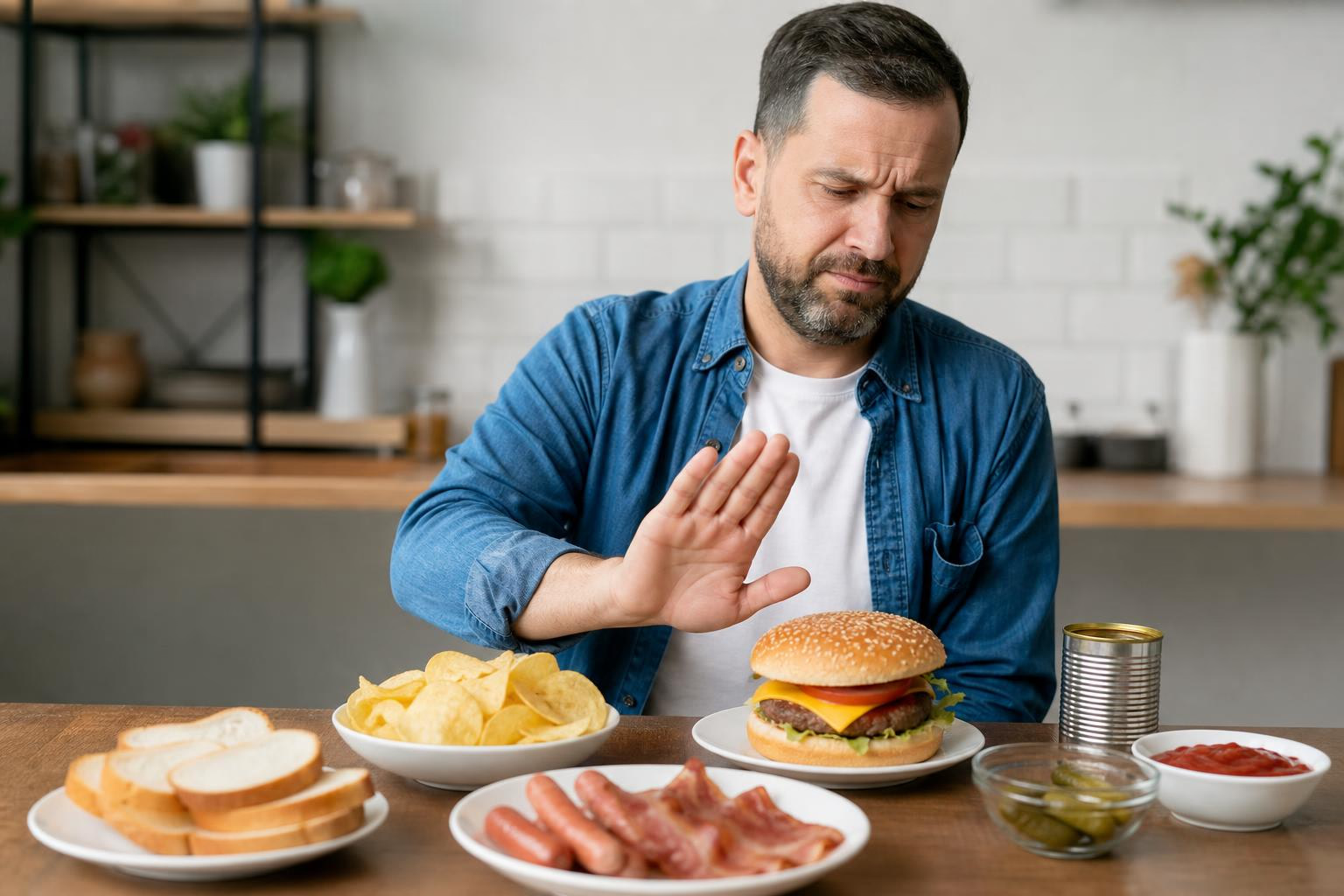
The biggest culprits are foods high in saturated and trans fats. Think processed meats (bacon, sausage, deli meats), full-fat dairy products, fried foods, and commercially baked goods made with partially hydrogenated oils. You don't have to eliminate them forever, but reducing frequency makes a real difference.
Do I have to give up my favorite foods forever?
Absolutely not. This isn't about deprivation—it's about balance and finding satisfying alternatives. Love cheese? Choose smaller portions of strong-flavored varieties so you get more flavor impact. Crave something crispy? Try air-fried vegetables with olive oil instead of deep-fried options. We can always find ways to honor your cravings while supporting your health goals.
Can I reduce cholesterol without medication?
Many people can significantly lower their cholesterol through lifestyle changes alone, especially if their levels are only moderately elevated. However, some people have genetic factors (like familial hypercholesterolemia) that require medication. The dietary strategies I've outlined work beautifully alongside medication too, often allowing people to use lower doses. Always work with your doctor to determine the best approach for your specific situation.
You Don't Have to Figure This Out Alone
Lowering your cholesterol naturally is absolutely possible—but I know it can feel overwhelming when you're staring at conflicting advice on the internet or trying to decode nutrition labels at the grocery store. That's exactly why personalized support makes such a difference.
If you're ready to create a realistic, delicious eating plan tailored specifically to your life, your preferences, and your health goals, I'd love to work with you. During our one-on-one sessions, we'll build a sustainable strategy that fits your schedule, your budget, and your taste buds—no bland chicken required.
Book your heart health consultation here and let's get started on lowering your cholesterol in a way that actually feels good.
References
[1] Brown L, Rosner B, Willett WW, Sacks FM. Cholesterol-lowering effects of dietary fiber: a meta-analysis. American Journal of Clinical Nutrition, 1999.
[2] Ripsin CM, Keenan JM, Jacobs DR Jr, et al. Oat products and lipid lowering: a meta-analysis. JAMA, 1992.
[3] Sacks FM, Lichtenstein AH, Wu JHY, et al. Dietary Fats and Cardiovascular Disease: A Presidential Advisory From the American Heart Association. Circulation, 2017.
[4] Guasch-Ferré M, Liu G, Li Y, et al. Olive Oil Consumption and Cardiovascular Risk in U.S. Adults. Journal of the American College of Cardiology, 2020.
[5] Harris WS, Mozaffarian D, Rimm E, et al. Omega-6 Fatty Acids and Risk for Cardiovascular Disease. Circulation, 2009.
[6] Ostlund RE Jr. Phytosterols in human nutrition. Annual Review of Nutrition, 2002.
[7] Ras RT, Geleijnse JM, Trautwein EA. LDL-cholesterol-lowering effect of plant sterols and stanols across different dose ranges: a meta-analysis of randomised controlled studies. British Journal of Nutrition, 2014.
[8] Wei ZH, Wang H, Chen XY, et al. Time- and dose-dependent effect of psyllium on serum lipids in mild-to-moderate hypercholesterolemia: a meta-analysis of controlled clinical trials. European Journal of Clinical Nutrition, 2009.
[9] Skulas-Ray AC, Wilson PWF, Harris WS, et al. Omega-3 Fatty Acids for the Management of Hypertriglyceridemia: A Science Advisory From the American Heart Association. Circulation, 2019.
[10] Liu J, Zhang J, Shi Y, et al. Chinese red yeast rice (Monascus purpureus) for primary hyperlipidemia: a meta-analysis of randomized controlled trials. Chinese Medicine, 2006.
[11] Dong H, Wang N, Zhao L, Lu F. Berberine in the treatment of type 2 diabetes mellitus: a systemic review and meta-analysis. Evidence-Based Complementary and Alternative Medicine, 2012.
[12] Mann S, Beedie C, Jimenez A. Differential effects of aerobic exercise, resistance training and combined exercise modalities on cholesterol and the lipid profile: review, synthesis and recommendations. Sports Medicine, 2014.
[13] Jenkins DJ, Jones PJ, Lamarche B, et al. Effect of a dietary portfolio of cholesterol-lowering foods given at 2 levels of intensity of dietary advice on serum lipids in hyperlipidemia. JAMA, 2011.
.svg)
.svg)

.webp)
.webp)
.webp)