.webp)
%2B(7).webp)
.png)
At a Glance
ADHD medications bring focus but often cause significant appetite suppression, making it hard to nourish your body adequately. The solution isn't forcing yourself to eat, but strategically timing meals around your medication's cycle and choosing nutrient-dense, calorie-rich foods. This guide provides evidence-based meal planning strategies specifically designed for women managing stimulant-related appetite changes.
Understanding Why Your Meds Erase Your Hunger
Let's get real about what's happening in your body. Most ADHD medications—including Adderall, Vyvanse, Ritalin, and Concerta—are classified as central nervous system stimulants [1]. These medications work by increasing dopamine and norepinephrine levels in your brain, which absolutely helps with focus and executive function. But here's the trade-off: they also directly impact your hypothalamus, the brain region responsible for regulating hunger signals [2].
This isn't about willpower or being "too busy" to eat. Vyvanse appetite suppression and other stimulant-related hunger changes are documented physiological responses. Studies show that up to 80% of adults on stimulant medications experience some degree of appetite reduction [3]. Your brain is literally receiving fewer "I'm hungry" signals than it did before starting medication.
The clinical term is "anorexigenic effect"—basically, your medication is chemically telling your body you're not hungry, even when you genuinely need fuel. This can lead to unintentional weight loss, energy crashes, irritability, and even reduced medication effectiveness if your body isn't properly nourished. Acknowledging this biological reality is your first step toward developing a sustainable eating strategy.
Your New Game Plan: Eating Before the Crash & After the Calm
Forget trying to eat a traditional lunch when your medication peaks around noon. Instead, we're going to work with your body's natural medication curve. Most stimulant ADHD medications have a predictable timeline: they kick in 30-60 minutes after taking them and reach peak effect 2-4 hours later [4].
Your strategic eating windows are:
- Early morning (before medication): This is your non-negotiable fueling window. Your appetite is still intact, and you need to front-load calories and protein before the medication suppresses your hunger.
- Late afternoon/evening (as medication wears off): Plan for this window when your appetite starts returning. This is when you'll consume your second substantial meal and make up for calories missed during the day.
Think of this approach as "bookend eating." You're strategically placing your nutrition at the beginning and end of your day when your body is actually receptive to food. This isn't intermittent fasting by choice—it's adapting your meal timing to your medication's pharmacokinetics.
For women specifically, this timing strategy becomes even more critical because we have higher nutritional needs for hormonal health, bone density, and reproductive function. Chronic undereating on ADHD meds can disrupt your menstrual cycle and impact long-term health [5].
Building Your No-Fuss, High-Energy Meal Toolkit
When appetite is low, every single bite needs to work harder. We're focusing on calorie density and nutrient density simultaneously. This means choosing foods that pack maximum nutrition and energy into small volumes—no sad, dry chicken breasts or plain salads here.
Your Morning Fuel-Up (Before Meds)
This breakfast needs to be substantial, protein-rich, and ideally consumed within 30 minutes of waking. Aim for 500-700 calories minimum. Here are your go-to options:
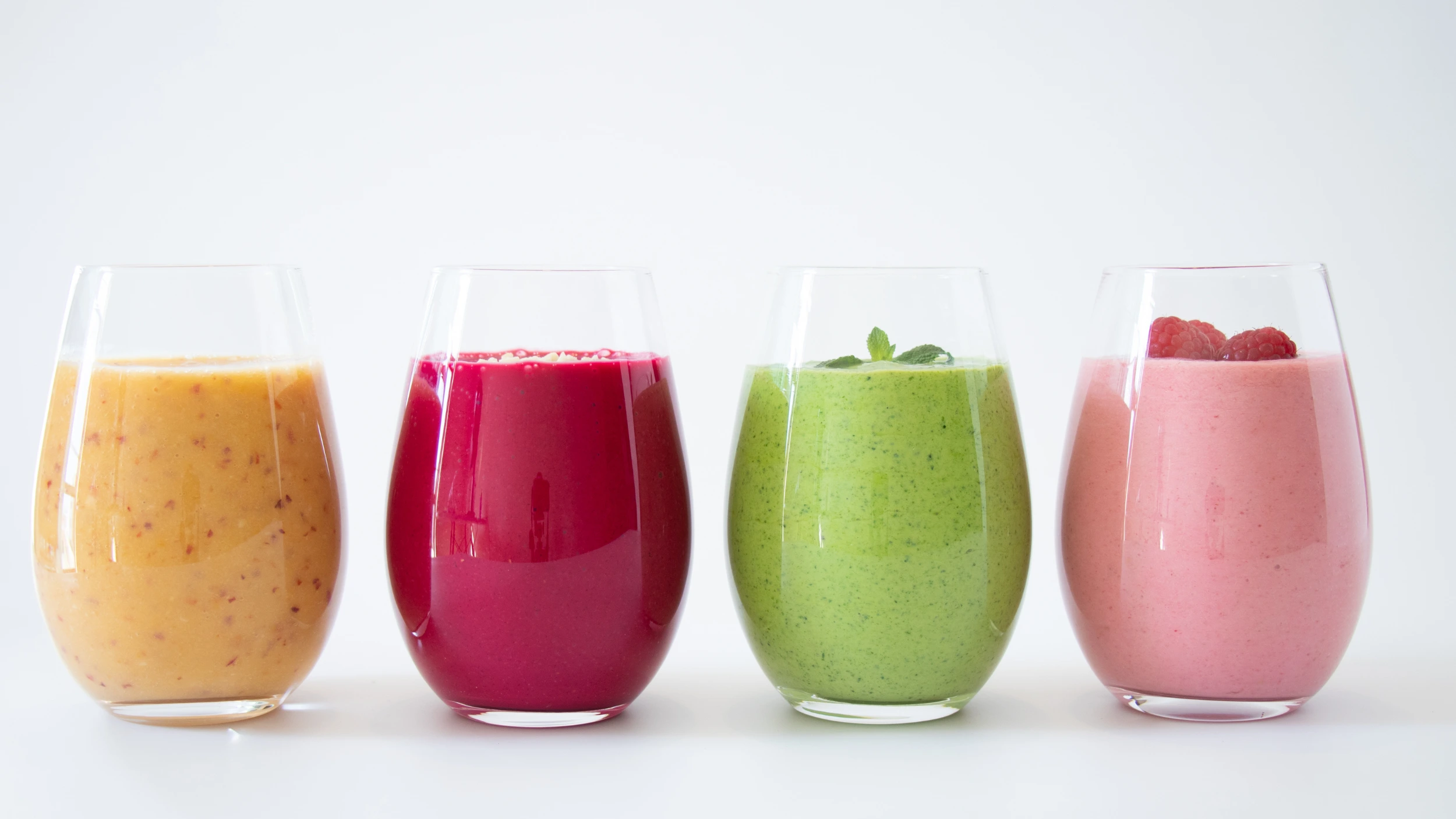
- Protein smoothie: Blend full-fat Greek yogurt, whole milk or oat milk, nut butter (2 tablespoons), banana, handful of spinach, protein powder, and a tablespoon of ground flaxseed. This delivers 600+ calories with minimal chewing required.
- Egg scramble with avocado: Three whole eggs scrambled in butter or olive oil, served with half an avocado, whole-grain toast, and cheese. Approximately 550 calories with sustained-release protein.
- Overnight oats loaded: Mix oats with whole milk, chia seeds, nut butter, dried fruit, and top with nuts. Prep the night before for zero morning effort. Easily reaches 500 calories.
- Breakfast burrito: Scrambled eggs, black beans, cheese, avocado, and salsa wrapped in a whole-grain tortilla. Portable and calorie-dense at around 600 calories.
The hormone-balancing benefits of protein at breakfast are especially relevant for women with ADHD, as stable blood sugar supports both focus and mood regulation.
Midday Strategy: Liquids & Grazing
During peak medication hours (roughly 10 AM to 4 PM), solid meals might feel impossible. That's okay. Switch to liquid nutrition and small, frequent snacks:
- Protein shakes: Keep pre-portioned protein powder at your desk. Mix with whole milk for an extra 150 calories per cup.
- Nut butter packets: Single-serve almond or peanut butter packs deliver 200 calories in seconds. Pair with a banana if you can manage it.
- Trail mix: Pre-portion bags with nuts, seeds, dried fruit, and dark chocolate chips. Aim for 1/2 cup servings (approximately 300 calories).
- Cheese sticks and crackers: Portable, shelf-stable, and provide both protein and fat.
- Drinkable yogurt: Kefir or smoothie-style yogurt drinks require no utensils and provide probiotics along with calories.
Set phone reminders every 2-3 hours to consume something, even if it's just a few sips of a protein shake. This prevents the late-day energy crash that happens when you've gone 8+ hours without food.
Evening Refuel (Post-Medication Window)
As your medication wears off (typically 6-8 PM for most formulations), your appetite should start returning. This is your opportunity to consume a substantial meal. However, if you're exhausted from the day, keep it simple:
- Sheet pan dinners: Roast chicken thighs (dark meat has more calories than white meat), sweet potatoes, and vegetables drizzled generously with olive oil. Prep on Sunday for the week.
- Pasta with protein: Whole-grain pasta with ground beef or turkey, marinara sauce, and parmesan. Add olive oil for extra calories. Quick, comforting, and energy-dense.
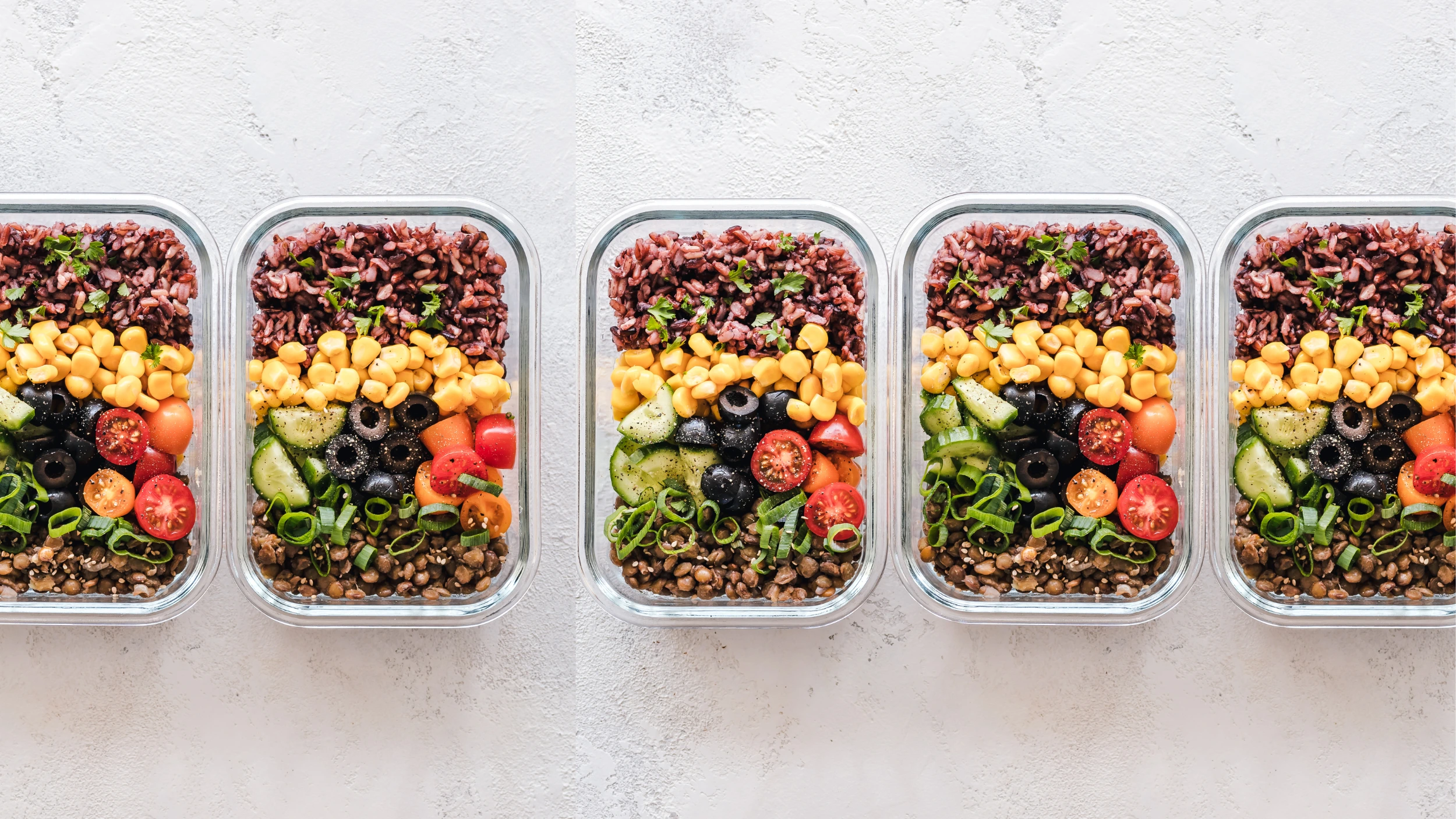
- Rice bowls: Brown rice, rotisserie chicken, avocado, beans, cheese, and salsa. Minimal cooking, maximum nutrition.
- Salmon and quinoa: Baked or pan-seared salmon (rich in omega-3s for brain health) with quinoa and roasted vegetables. The omega-3 benefits for ADHD symptoms are well-documented.
- Hearty soups: Make a big batch of lentil, chicken and rice, or minestrone soup. Freeze portions for easy reheating. Add crackers, cheese, and bread to increase calories.
Aim for 600-800 calories at this evening meal. If you're still hungry before bed, that's actually a good sign—have a snack like Greek yogurt with granola or a peanut butter sandwich.
Practical Tips for Managing ADHD Weight Loss on Medication
If you're experiencing unintentional weight loss, here are clinical strategies that work:
- Track your weight weekly: Use the same scale, same time of day (morning, after bathroom, before eating). If you lose more than 1-2 pounds per week unintentionally, contact your prescriber.
- Calculate your actual needs: Most women need 1,800-2,400 calories daily just for basic function, more if you're active. Use a tracking app for 3-4 days to see where you actually are—most of my clients are shocked to find they're eating only 1,000-1,300 calories on medication days.
- Add calorie boosters: Drizzle olive oil on vegetables, add butter to toast, choose full-fat dairy, include nuts with every snack. These additions add 50-200 calories per meal without increasing volume.
- Consider medication timing: Talk to your doctor about taking medication after breakfast rather than before, or about extended-release formulations that might have slightly less appetite impact.
- Supplement strategically: If you're struggling to eat enough whole foods, a daily multivitamin and omega-3 supplement can help cover nutritional gaps. However, food should always be your primary source.
The relationship between ADHD and disordered eating patterns is complex, especially for women. If you have a history of eating disorders, managing stimulant appetite suppression requires extra clinical support.
FAQ: Quick Answers for Common Concerns
What if I have absolutely zero appetite all day long?
Focus on liquid nutrition as your primary strategy. Protein shakes, smoothies with added nut butter and spinach, whole milk, and even meal replacement drinks can provide 400-600 calories without requiring you to sit down for a solid meal. Some of my clients do 50-70% of their nutrition via liquids on medication days, and that's perfectly acceptable if it keeps you nourished.
Will I lose too much weight on my ADHD medication?
Unintentional weight loss is a valid concern, especially in the first 2-3 months of medication. Research shows that stimulant-related weight loss typically plateaus after the initial adjustment period [6]. However, if you continue losing weight, experience fatigue, menstrual irregularities, or drop below a healthy BMI, this requires immediate discussion with your healthcare provider. Your medication may need adjustment, or you may need more intensive nutritional support.
Are there specific foods that are better for an ADHD brain?
Absolutely. Research supports several dietary patterns for ADHD symptom management:
- Protein-rich foods: Eggs, Greek yogurt, lean meats, fish, legumes, and nuts help with dopamine and neurotransmitter production [7].
- Omega-3 fatty acids: Found in fatty fish (salmon, sardines, mackerel), walnuts, flaxseeds, and chia seeds. These support brain cell membrane function and have been shown to modestly improve ADHD symptoms.
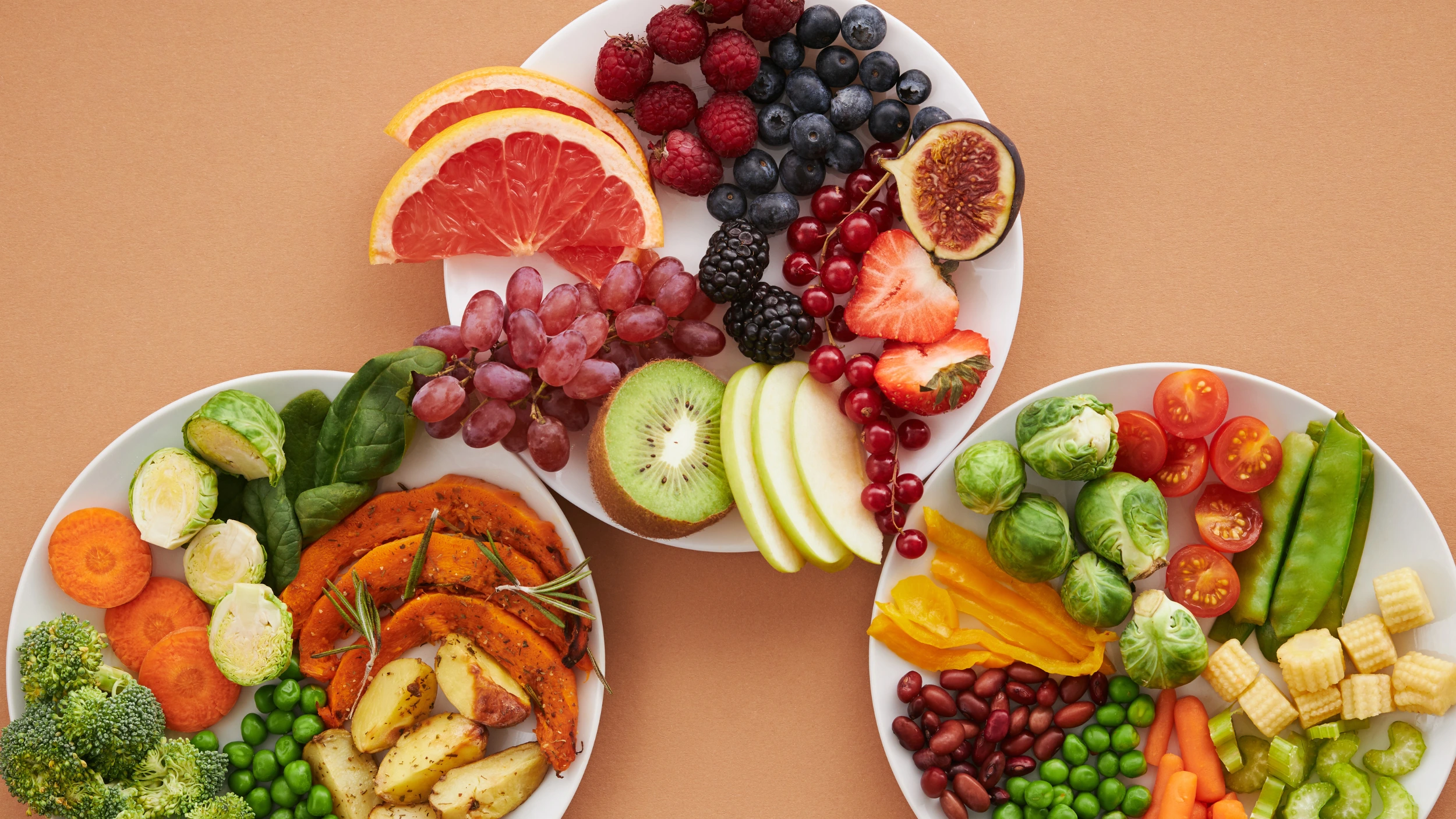
- Complex carbohydrates: Oats, quinoa, sweet potatoes, and whole grains provide steady glucose for brain fuel without blood sugar spikes.
- Iron and zinc: These minerals are often low in people with ADHD. Include red meat, shellfish, beans, and fortified cereals.
Avoid skipping meals entirely, as blood sugar crashes can actually worsen ADHD symptoms like irritability, poor focus, and impulsivity.
How do I meal prep when I have ADHD and executive dysfunction?
Keep it stupidly simple. Don't try to become a meal prep influencer. Instead:
- Batch cook one protein (rotisserie chicken, ground turkey, hard-boiled eggs) and one carb (rice, pasta, sweet potatoes) on Sunday.
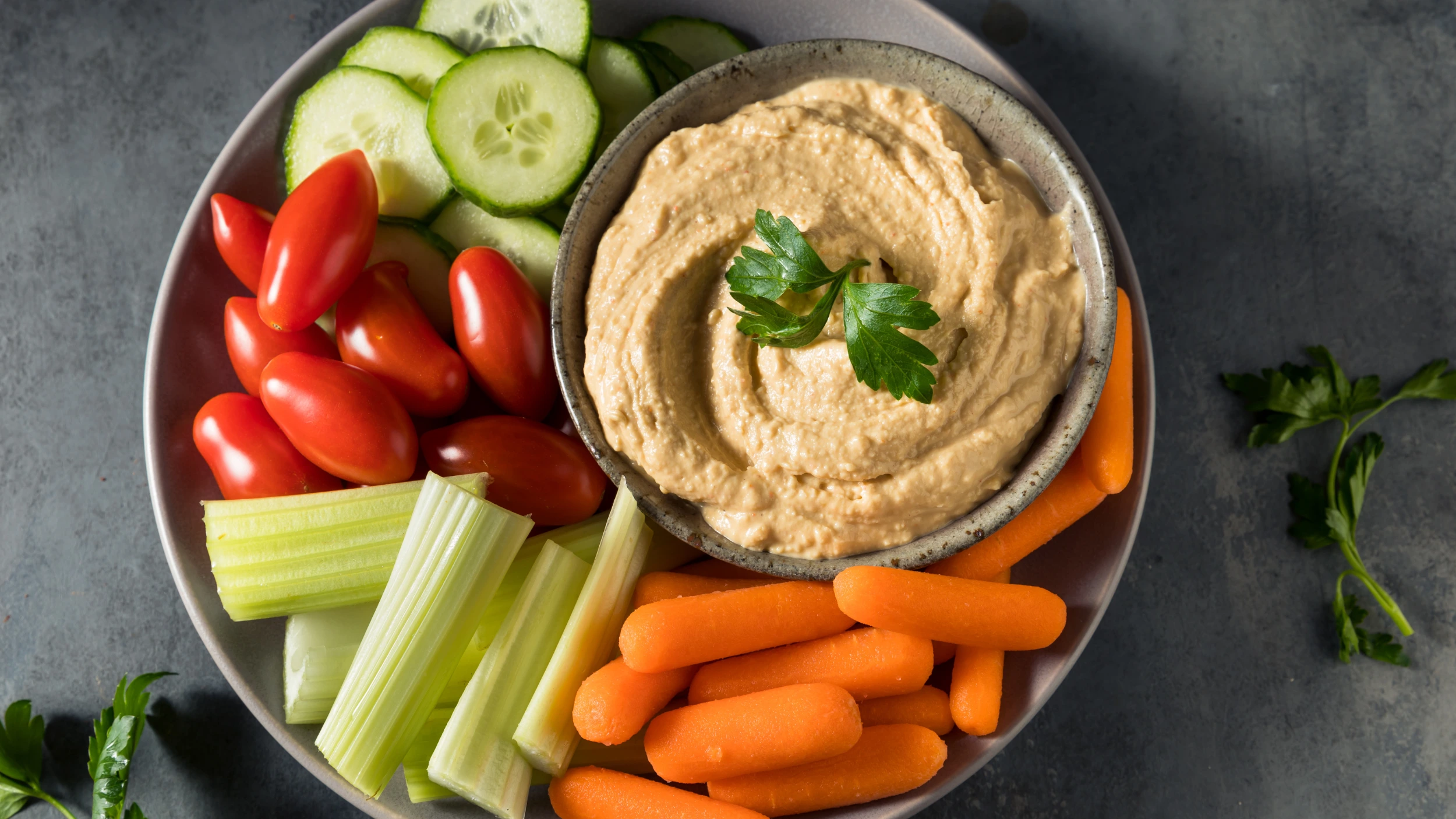
- Buy pre-cut vegetables and frozen options—there's zero shame in convenience.
- Use your phone to set recurring alarms for eating times.
- Keep non-perishable, high-calorie snacks in every location: your car, desk, purse, nightstand.
- Give yourself permission to eat the same meals repeatedly if that reduces decision fatigue.
Feeling Overwhelmed? Let's Create a Plan Together
Navigating nutrition while managing ADHD medication side effects is genuinely complex—especially when you're also dealing with the executive function challenges that come with ADHD itself. You're essentially trying to plan and execute consistent meals when your brain struggles with planning and execution, all while having no appetite. It's a lot.
If you're experiencing significant weight loss, feeling constantly exhausted, or just overwhelmed by trying to figure this out alone, personalized support makes a massive difference. A meal plan designed specifically for your medication schedule, food preferences, lifestyle, and health goals removes the guesswork and decision fatigue.
Ready for a customized plan that actually fits your life? Book a one-on-one consultation with our specialized dietitians today. We'll create a practical, sustainable eating strategy that works with your ADHD medication, not against it.
References
[1] Cortese S, et al. Comparative efficacy and tolerability of medications for attention-deficit hyperactivity disorder in children, adolescents, and adults: a systematic review and network meta-analysis. The Lancet Psychiatry, 2018.
[2] Leddy JJ, et al. Effects of acute exercise on appetite, food intake, and plasma acylated ghrelin concentration in lean and overweight/obese men. Appetite, 2009.
[3] Biederman J, et al. A randomized, placebo-controlled trial of OROS methylphenidate in adults with attention-deficit/hyperactivity disorder. Biological Psychiatry, 2006.
[4] Faraone SV. The pharmacology of amphetamine and methylphenidate: Relevance to the neurobiology of attention-deficit/hyperactivity disorder and other psychiatric comorbidities. Neuroscience & Biobehavioral Reviews, 2018.
[5] Quinn PO, Madhoo M. A review of attention-deficit/hyperactivity disorder in women and girls: uncovering this hidden diagnosis. The Primary Care Companion for CNS Disorders, 2014.
[6] Hansson SL, et al. Psychiatric telephone interview with parents for screening of childhood autism - tics, attention-deficit hyperactivity disorder and other comorbidities (A-TAC): preliminary reliability and validity. British Journal of Psychiatry, 2005.
[7] Rucklidge JJ, et al. Nutrition and ADHD: A Growing Research Field. Current Psychiatry Reports, 2019.
.svg)
.svg)