.webp)
%2B(7).webp)
.png)
At a Glance
ADHD meal prep doesn't have to look like Instagram-perfect container grids. These five evidence-based strategies help reduce decision fatigue and work with your neurodivergent brain, not against it. From assembly-only methods to emergency pantry staples, you'll discover simple ways to nourish yourself even on your lowest-energy days.
Introduction: Why Your Brain Makes Meal Prep Feel Impossible
Feeling like the kitchen is your enemy? You're not alone. When your brain is overwhelmed, even simple tasks like making lunch can feel impossible. This isn't about a lack of willpower; it's about executive dysfunction—the cognitive process that helps us plan, initiate, and complete tasks [1].
For women with ADHD, executive dysfunction can turn meal preparation into an exhausting mental obstacle course. Research shows that individuals with ADHD experience significantly higher rates of disordered eating patterns and nutritional inconsistency compared to neurotypical adults [2]. The constant decision-making, multi-step processes, and time blindness that come with cooking create the perfect storm for food-related stress.
But what if we could make food feel easy again? Let's explore five gentle, dietitian-approved meal prep strategies designed specifically to work with your brain, not against it. These aren't just generic tips—they're rooted in both nutritional science and an understanding of neurodivergent needs.
1. Redefine 'Meal Prep' For Your Brain
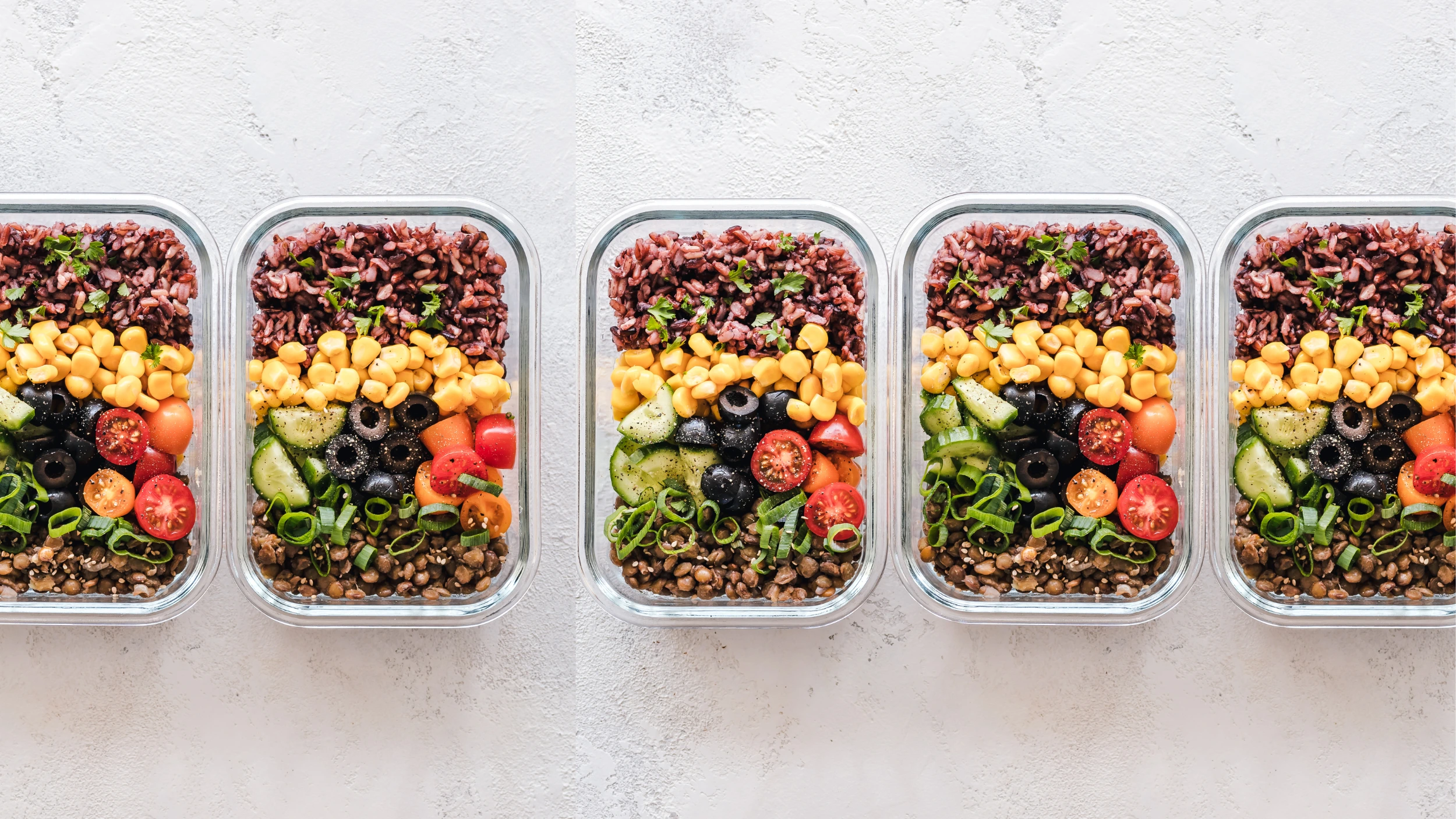
Forget those perfect, seven-day container grids you see online. That's not what meal prep for executive dysfunction looks like, and honestly? It doesn't need to.
For a neurodivergent brain, "prep" might just mean pre-chopping one onion, washing some berries, or simply having a list of low-spoons meal ideas written down where you can see them. We're focusing on reducing decision fatigue and overcoming that initial barrier to starting—because starting is often the hardest part [3].
This is your official permission slip to do the bare minimum. If all you did this week was buy pre-cut vegetables instead of whole ones, that counts. If you hard-boiled three eggs on Sunday, that's meal prep. If you created a note in your phone listing five foods you can actually tolerate when you're overwhelmed, you've done the work.
What "Minimal Prep" Actually Looks Like:
- Pre-washing a container of grapes so they're grab-and-go ready
- Keeping a running list of three meals you can make without thinking
- Setting out tomorrow's breakfast items on the counter before bed
- Ordering grocery delivery instead of forcing yourself to shop in-store
- Buying the pre-made option without guilt or shame
The goal here isn't perfection. It's removing one tiny barrier between you and nourishment. That's it. If you're also managing symptoms of burnout or depression alongside ADHD, this gentle approach becomes even more critical for your mental health and nutrition connection.
2. Master the 'Assembly-Only' Method
Cooking from scratch is often a huge energy drain. Between following recipes, timing multiple components, and cleaning up the inevitable mess, it's no wonder your brain taps out before you even start.
Instead, let's focus on assembling pre-prepared ingredients. This approach minimizes steps, reduces cleanup, and gets food on your plate faster. It's the ultimate hack for low energy meal prep, and there's zero shame in it. Research consistently shows that any meal eaten is nutritionally superior to a skipped meal, regardless of how "from scratch" it is [4].
Brain-Friendly Assembly Station Ideas:
- Yogurt Bowls: Greek yogurt + pre-washed berries + granola + a drizzle of honey
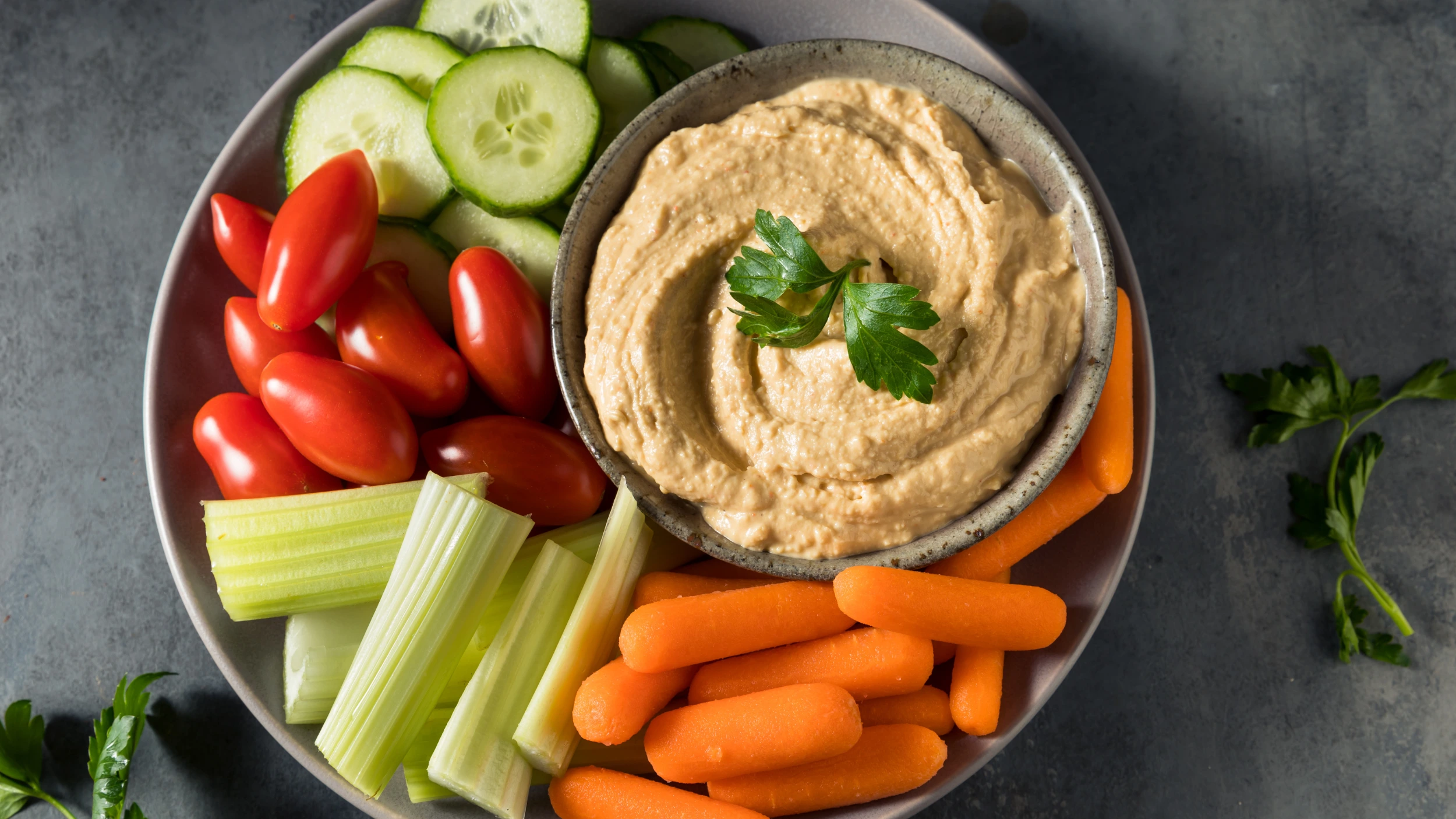
- Adult 'Lunchables': Cheese cubes + whole-grain crackers + deli turkey + baby carrots + hummus
- Quick Salads: Bagged lettuce mix + rotisserie chicken + cherry tomatoes + bottled dressing
- Protein Snack Boxes: Hard-boiled eggs + string cheese + apple slices + almonds
- No-Cook Wraps: Whole-grain tortilla + pre-cooked chicken strips + shredded cheese + pre-made guacamole
The beauty of this method is that it requires virtually no executive function. You're not following steps or making complicated decisions. You're simply combining ready-to-eat items that taste good together. This is especially helpful for those days when you're dealing with brain fog or sensory overwhelm.
I recommend dedicating one shelf in your fridge as your "assembly station." Keep all your grab-and-go components there so you don't have to hunt through multiple drawers when your energy is low.
3. Create a 'No-Think' Grocery List
Decision fatigue starts long before you open the fridge—it starts at the grocery store. Every single item you need to consider, compare, and choose depletes your cognitive resources [5].
We're going to build a core shopping list of versatile, easy-to-use staples that you buy every single time, no questions asked. The goal is to put your grocery run on autopilot, ensuring you always have the building blocks for brain friendly meals without having to reinvent the wheel every week.
Your Neurodivergent-Friendly Core List:
Proteins (pick 3-4):
- Rotisserie chicken
- Pre-cooked frozen chicken strips
- Canned tuna or salmon
- Greek yogurt
- Eggs
- Deli turkey or ham
- Shelf-stable protein shakes
Carbohydrates (pick 3-4):
- Microwavable rice pouches
- Whole-grain crackers
- Pre-cooked quinoa cups
- Whole-grain tortillas
- Instant oatmeal packets
- Frozen waffles
Fruits & Vegetables (pick 3-4):
- Pre-washed salad mix
- Baby carrots
- Cherry tomatoes
- Pre-cut fruit from the produce section
- Frozen steamed vegetable bags
- Applesauce pouches
Healthy Fats & Flavor (pick 2-3):
- Pre-made guacamole cups
- String cheese
- Hummus
- Ranch dressing packets
- Nut butter packets
Create this list once in your notes app or a grocery delivery account, then just re-order it weekly. You're not being boring—you're being strategic. This approach significantly reduces the cognitive load of shopping and ensures you always have simple meal prep components on hand.
If you're working on improving your gut health, you can gradually add fermented options like yogurt, kefir, or sauerkraut to your standard list once it feels automatic.
4. Stock Your Executive Dysfunction Pantry
This is about having your future self's back. We're going to stock your pantry, fridge, and freezer with items that require little to no effort to turn into a meal.
Think beyond just ingredients—we're talking about complete "emergency meals" for the days when you have zero capacity left. These are the meals that stand between you and skipping eating entirely, which can wreak havoc on your blood sugar, mood stability, and cognitive function [6].
Pantry & Freezer Must-Haves:
- Canned or pouched tuna/chicken (pair with crackers for instant protein)
- Microwavable rice or quinoa pouches (90 seconds to a complete grain)
- Frozen steamed vegetable bags (microwave-in-bag varieties)
- Healthy frozen meals (yes, they absolutely count as real food)
- Protein bars and ready-to-drink shakes (for when chewing feels like too much)
- Instant soup cups (just add hot water)
- Nut butter packets (pair with apple slices or crackers)
- Shelf-stable mac and cheese cups (you can add frozen peas for a nutrition boost)
- Frozen pizza or burritos (keep a few quality options for true emergency nights)
- Canned soup (look for lower-sodium options and pair with whole-grain crackers)
The key principle here is this: A less-than-perfect meal eaten is infinitely better than a perfect meal not eaten. Your body needs consistent fuel to regulate blood sugar, support neurotransmitter production, and maintain stable energy throughout the day.
I see so many clients who feel shame about using convenience foods, but here's the truth: these items are tools that support your health when executive function is low. They're not failures—they're adaptive strategies. If you're also navigating PCOS or other hormonal concerns, having reliable food sources becomes even more important for blood sugar stability.
5. Use 'Temptation Bundling' to Get Started
Here's a psychology trick backed by behavioral science: temptation bundling involves pairing a task you're avoiding (meal prep) with something you genuinely enjoy [7].
By linking the prep task to a desirable activity, you can essentially trick your brain into getting started—which is often the hardest part for those of us with ADHD.
How to Implement Temptation Bundling:
- Save your favorite podcast exclusively for grocery shopping or meal prep time
- Queue up a comfort show that you only watch while chopping vegetables or assembling meals
- Create a specific playlist that signals "meal prep mode" to your brain
- Call a friend or family member and chat while you organize your fridge
- Promise yourself a small reward after completing even one prep task (a fancy coffee, 20 minutes of guilt-free scrolling, whatever works)
The research is clear: we're much more likely to complete tasks we find aversive when they're paired with immediate rewards [7]. This isn't bribery—it's smart strategy that works with your dopamine-seeking ADHD brain rather than against it.
Start small. If the idea of a full meal prep session feels overwhelming, bundle just one tiny task with something enjoyable. Wash berries while listening to one song you love. Hard-boil eggs while watching a 10-minute YouTube video. The size of the task matters less than the consistent pairing of effort with pleasure.
FAQ: Quick Answers for Overwhelmed Minds
How do you meal prep with zero motivation?
Start smaller than you think possible. Don't aim to prep a week of meals. Just do one single thing: boil a few eggs, wash one vegetable, or portion out some nuts into small containers. The goal is a small win, not a full-on production. Sometimes opening the fridge and moving the healthy food to eye level counts as prep. Give yourself credit for any forward movement.
What are good 'emergency' meals for executive dysfunction?
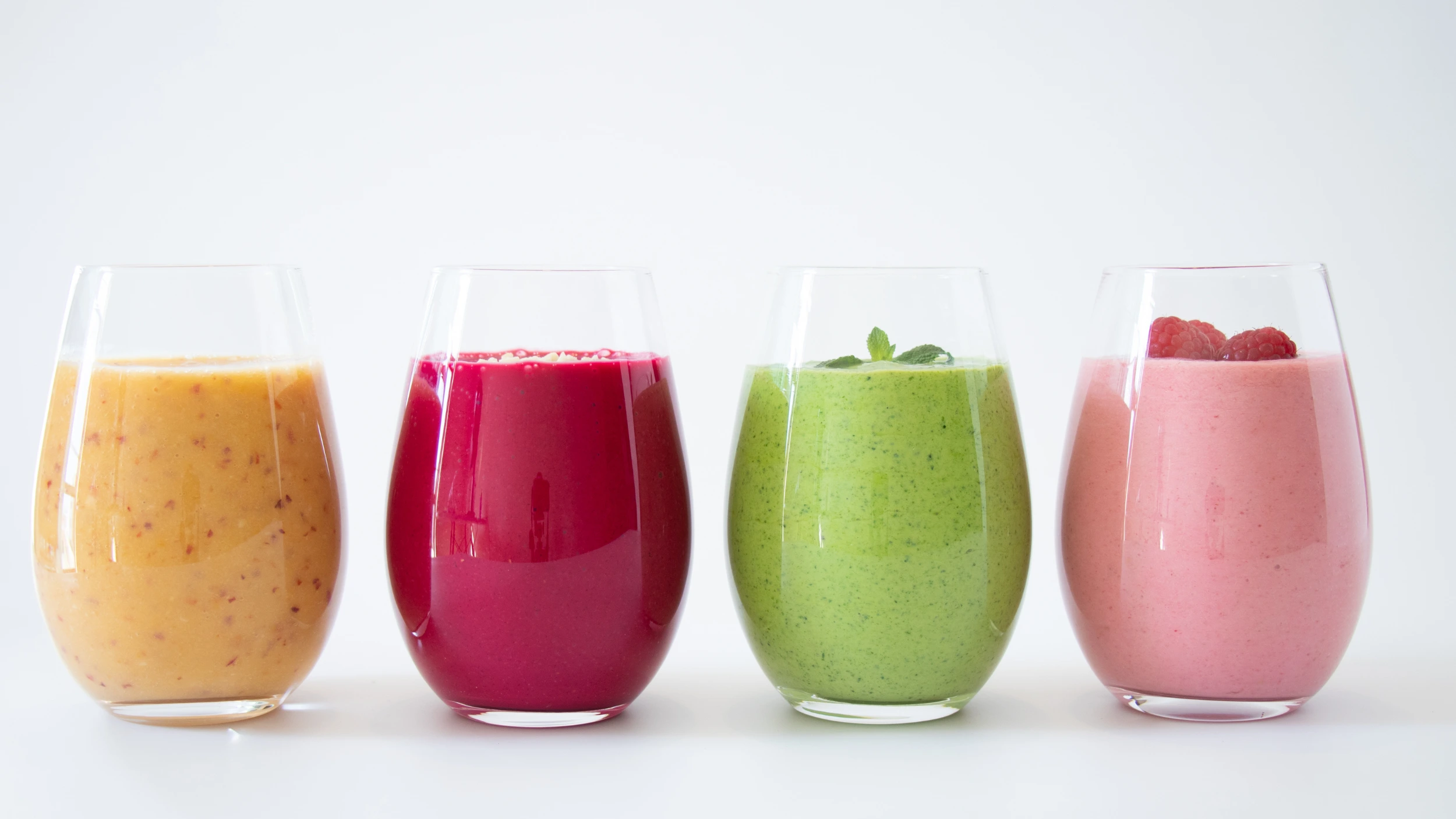
Think "just add water" or "heat and eat." Good options include protein smoothies (pre-made or powder-based), instant oatmeal with a scoop of protein powder, canned soup with whole-grain crackers, a simple cheese quesadilla on a whole-wheat tortilla, or even a quality protein bar with a piece of fruit. These meals take under 5 minutes and require minimal decision-making.
Can a dietitian help with ADHD and eating habits?
Absolutely. A dietitian who understands neurodivergence can help you create personalized, simple strategies to ensure you're nourished without the overwhelm. We work with your unique brain wiring to build sustainable habits that reduce stress around food, support stable blood sugar for better focus, and help you develop a compassionate relationship with eating. It's not about restriction or complicated rules—it's about finding what actually works for your life.
You Don't Have to Do This Alone
Feeling overwhelmed is a signal, not a failing. Your struggles with food and meal preparation are valid, and they're rooted in real neurological differences that affect executive function, not laziness or lack of care.
If you're ready to make peace with food and find strategies that finally feel easy instead of exhausting, let's talk. Working with someone who understands both the nutritional science and the neurodivergent experience can be genuinely life-changing.
Ready for personalized support? Book a 1-on-1 consultation today and let's build a sustainable, shame-free approach to nourishing yourself that actually fits your brain.
References
[1] Barkley RA. Executive Functions: What They Are, How They Work, and Why They Evolved. Guilford Press, 2012.
[2] Cortese S, et al. Association Between ADHD and Obesity: A Systematic Review and Meta-Analysis. American Journal of Psychiatry, 2016.
[3] Gómez-Ramírez J, et al. Decision-Making in ADHD: A Review of the Evidence. Neuroscience & Biobehavioral Reviews, 2021.
[4] Spence C. Meal Planning and Food Accessibility Impact on Nutritional Outcomes. Frontiers in Psychology, 2017.
[5] Vohs KD, et al. Making Choices Impairs Subsequent Self-Control: A Limited-Resource Account of Decision Making, Self-Regulation, and Active Initiative. Journal of Personality and Social Psychology, 2008.
[6] Ptacek R, et al. Clinical Implications of the Perception of Time in Attention Deficit Hyperactivity Disorder. Medical Science Monitor, 2019.
[7] Milkman KL, et al. Holding the Hunger Games Hostage at the Gym: An Evaluation of Temptation Bundling. Management Science, 2014.
.svg)
.svg)