.webp)

%2B(7).webp)
.png)
At a Glance
ADHD medications are incredible for focus, but they often completely suppress your appetite, making it hard to eat enough throughout the day. The good news? Strategic meal timing—eating a substantial, protein-rich breakfast before your first dose and planning nutrient-dense meals around your medication schedule—can help you stay nourished and energized. This guide walks you through exactly how stimulants affect hunger, when to eat around your doses, and what foods work best when nothing sounds good.
Understanding the 'Why': How Stimulants Impact Your Hunger Cues
Let's start with what's actually happening in your body when you take that little pill each morning. Stimulant medications like Adderall, Vyvanse, and Ritalin work by increasing dopamine and norepinephrine levels in your brain [1]. These neurotransmitters don't just help you focus—they also directly interact with your hypothalamus, the brain region that regulates hunger and satiety signals [2].
When dopamine levels spike, your brain essentially turns down the volume on hunger cues. You might go hours without even thinking about food, and when you finally do, the thought of eating might feel genuinely unappealing or even nauseating. This isn't a willpower issue or you being "too busy" to eat—it's a direct pharmacological effect of how these medications work.
The appetite suppression typically peaks about 1-3 hours after you take your medication and can last anywhere from 4-12 hours depending on whether you're taking an immediate-release or extended-release formulation [3]. For many women, this means the entire window from mid-morning through early evening becomes a nutritional dead zone. Understanding this pattern is crucial because it allows you to plan around it strategically.
Your Meal-Timing Blueprint: When to Eat Around Your Doses
Timing meals with ADHD meds isn't just helpful—it's absolutely essential for maintaining your energy, cognitive function, and overall health. Here's your strategic blueprint:
Before Your First Dose: The Golden Window
This is your most important meal of the day, hands down. Before that medication kicks in and suppresses your appetite, you need to fuel your body with a substantial breakfast. Aim to eat within 30-60 minutes of waking up, and give yourself at least 20-30 minutes to finish your meal before taking your medication.
Why does this matter so much? A protein breakfast for ADHD isn't just about getting calories in—it's about stabilizing your blood sugar for the entire day [4]. When you start your day with adequate protein and healthy fats, you're less likely to experience that mid-afternoon crash, and you're giving your body the building blocks it needs to produce neurotransmitters that support both focus and mood.
Mid-Morning: The First Suppression Wave
This is typically when your appetite disappears completely. Don't fight it by trying to force down a large meal. Instead, keep a small, nutrient-dense snack accessible—even if you don't feel like eating it. Sometimes just having it visible can prompt you to take a few bites.
Lunch: The Forgotten Meal
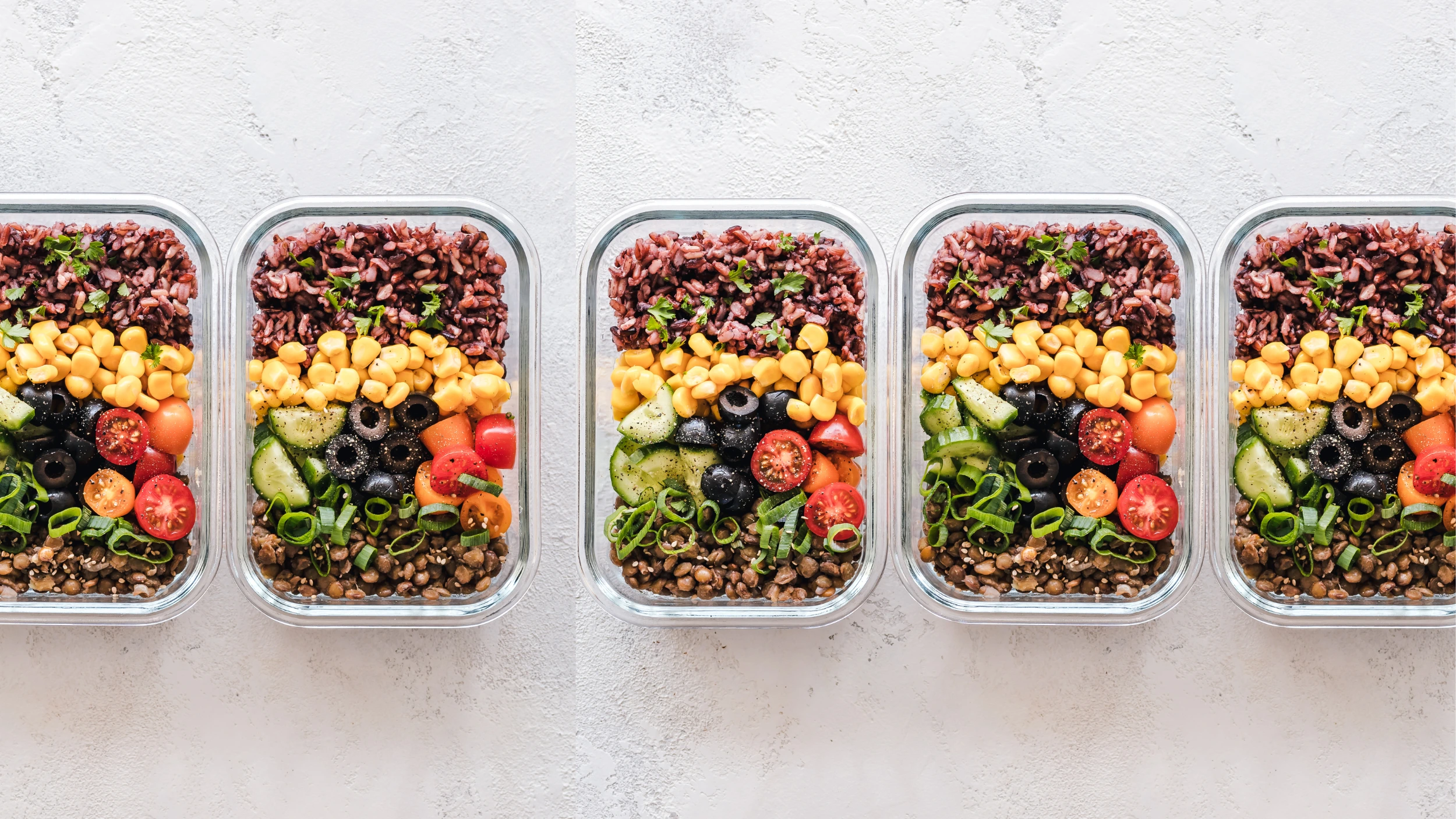
For many people dealing with ADHD medication and not eating, lunch becomes nearly impossible. This is where meal prep and easy-to-digest options become your best friends. Set a phone alarm for lunchtime, because you absolutely won't feel hungry or remember to eat on your own.
Evening: The Rebound Window
As your medication wears off (typically 6-8 hours after your dose for immediate-release, or 10-12 hours for extended-release), your appetite will likely return with a vengeance. This is your nutrient window—use it wisely. This isn't the time to reach for quick processed foods just because you're finally hungry. Plan a balanced, nutrient-dense dinner that includes plenty of protein, healthy fats, and vegetables.
Fueling Your Focus: What to Eat When Nothing Sounds Good
When you're dealing with Vyvanse appetite suppression or similar effects from other stimulants, the goal isn't to eat perfectly—it's to eat strategically. Every bite needs to count because you're working with a limited window and reduced appetite.
Best Breakfast for ADHD Meds: Front-Load Your Nutrition
Your pre-medication breakfast should include all three macronutrients and clock in at around 400-600 calories minimum. Here are some powerhouse options:
- Scrambled eggs with avocado and whole-grain toast: This combination gives you high-quality protein, healthy fats, and complex carbohydrates that digest slowly and keep blood sugar stable.
- Greek yogurt bowl with nuts, seeds, and berries: Pack in 20+ grams of protein, plus healthy fats and antioxidants. If you're struggling with gut health issues, the probiotics in Greek yogurt can be particularly beneficial.
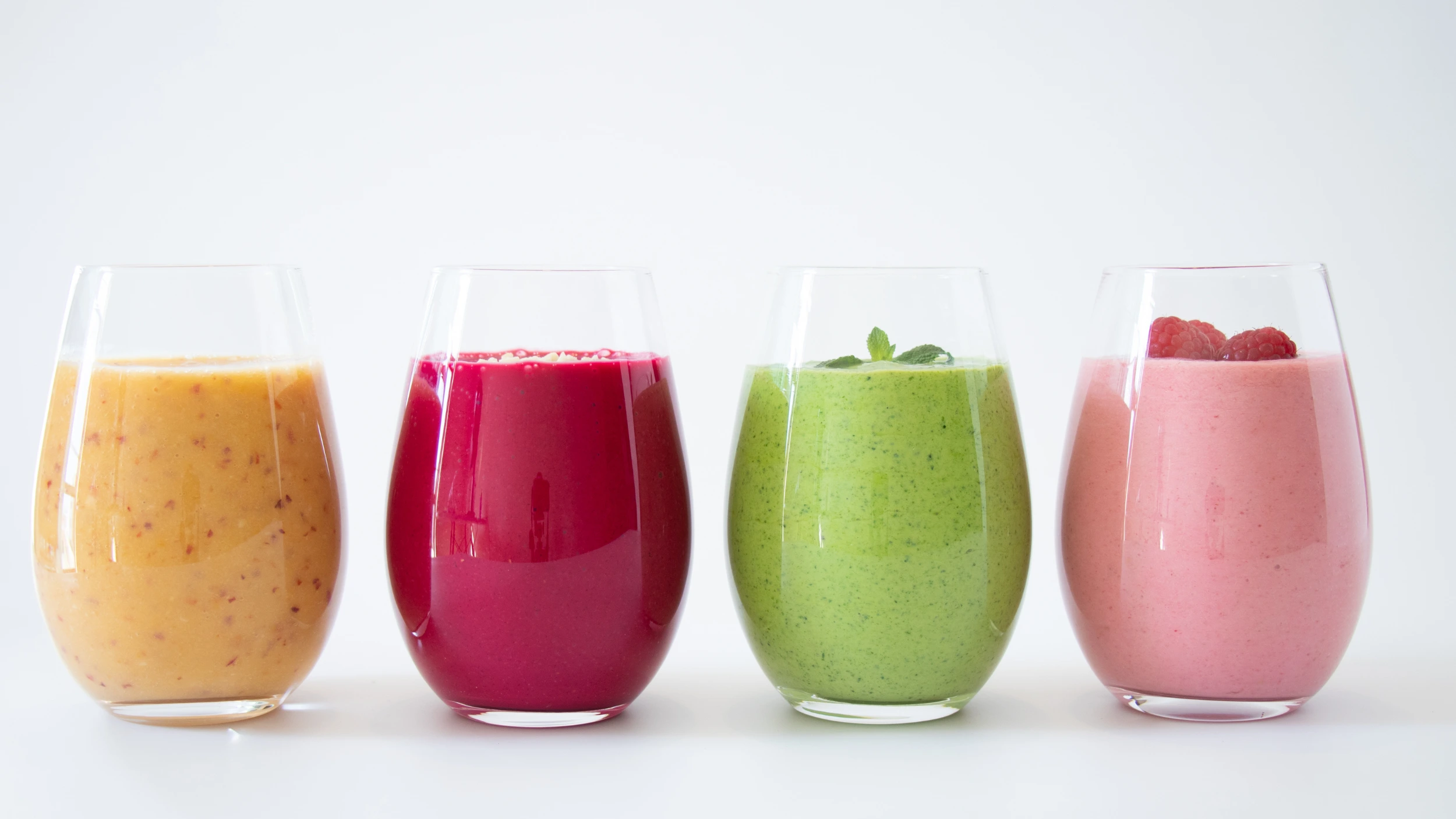
- Protein smoothie with nut butter, banana, spinach, and oats: When solid food feels like too much, a smoothie can deliver serious nutrition in an easy-to-consume format.
- Veggie omelet with cheese and a side of fruit: Eggs are incredibly nutrient-dense, providing not just protein but also choline, which supports brain health and neurotransmitter production.
Lunch Ideas for ADHD Medication: Keep It Simple
When your appetite is suppressed, complicated meals feel overwhelming. Focus on simple, familiar foods that are easy to eat even when you're not hungry:
- Protein-packed soup: Bone broth-based soups with shredded chicken, beans, or lentils are easy to sip and digest.
- Turkey and cheese roll-ups with fruit: No bread needed—just roll deli turkey around cheese sticks, pair with grapes or berries.
- Smoothies or protein shakes: Yes, it's absolutely okay to drink your lunch if that's what works for your ADHD meal plan.
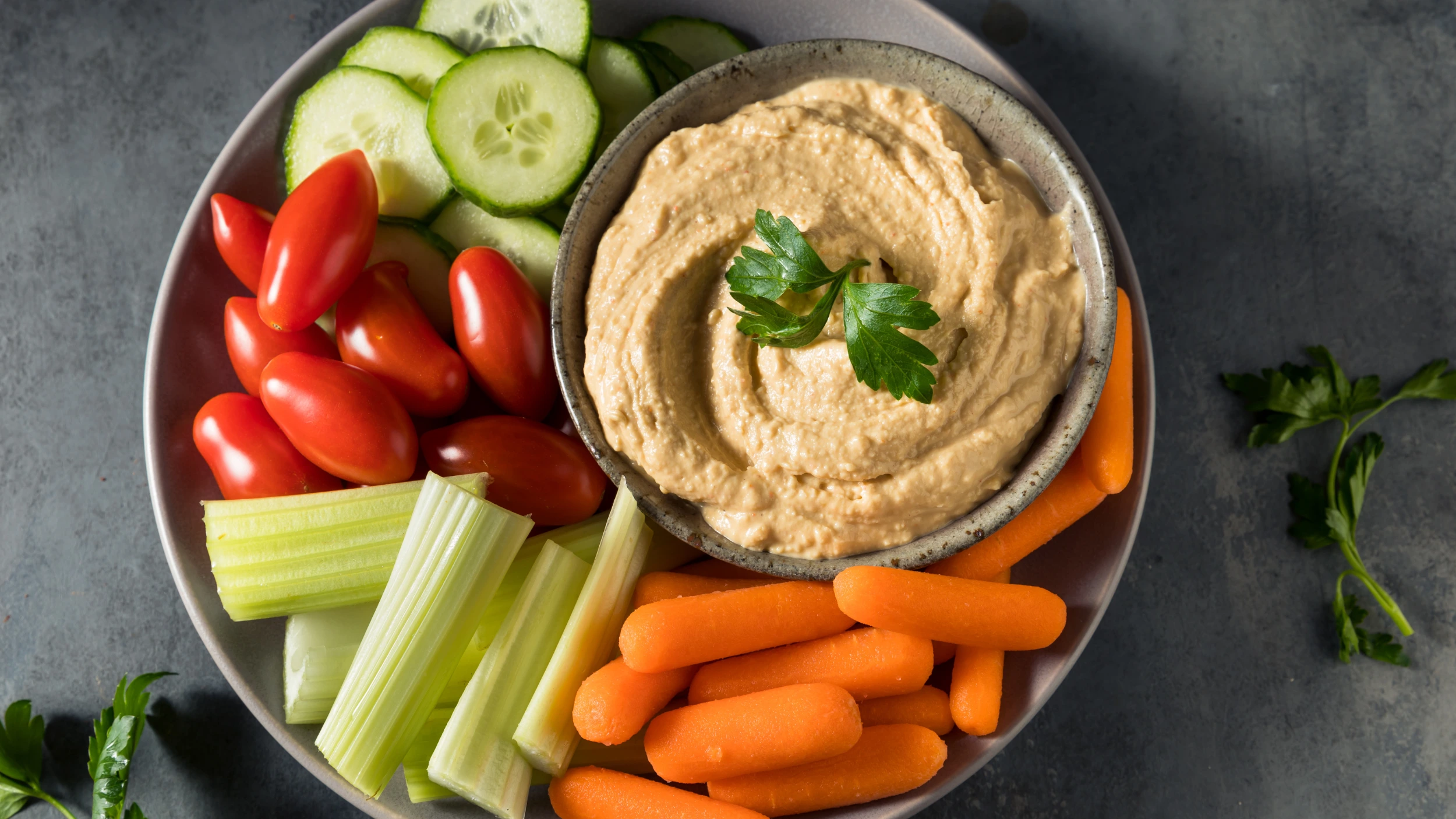
- Hummus with veggies and whole-grain crackers: Plant-based protein plus easy-to-munch vegetables.
What to Eat with Adderall: The Snack Strategy
Even if you can't manage full meals, strategic snacking can prevent you from running on empty. Keep these options visible and accessible:
- Protein bars or energy balls: Choose options with at least 10g of protein and minimal added sugar.
- String cheese and nuts: Portable, shelf-stable, and packed with protein and healthy fats.
- Hard-boiled eggs: Prep a batch on Sunday and keep them in your fridge all week.
- Nut butter packets with apple slices: Single-serve packets make portion control easy.
Evening Nutrition: Catching Up Without Overdoing It
When your appetite returns in the evening, you might feel ravenous. Resist the urge to compensate with a massive meal that leaves you uncomfortably full. Instead, eat a balanced dinner and consider adding a substantial evening snack an hour or two later. If you're also managing hormonal fluctuations, this evening eating window becomes even more important for supporting your metabolic health.
How to Increase Appetite on ADHD Meds: Practical Strategies
Beyond strategic timing, there are several evidence-based approaches to managing medication-related appetite suppression:
Work with Your Prescriber
If appetite suppression is severely impacting your ability to maintain your weight or energy levels, talk to your doctor about:
- Adjusting your dose: Sometimes a slightly lower dose provides adequate focus with less appetite suppression.
- Trying a different formulation: Switching between immediate-release and extended-release versions can change the appetite impact.
- Considering medication holidays: Some people take breaks on weekends or non-work days to allow their appetite to normalize.
Optimize Your Hydration
Stimulant medications can be dehydrating, and dehydration can further suppress appetite and cause nausea [5]. Aim for at least 8-10 glasses of water throughout the day. Set hourly reminders if needed.
Use Visual Cues and Alarms
When you don't feel hungry, you won't remember to eat. Set phone alarms for breakfast, lunch, and snack times. Prep meals in advance and keep them visible in clear containers at eye level in your fridge.
Consider Nutrient Timing for Exercise
If you're working out, schedule it for late afternoon or evening when your medication is wearing off and your appetite is returning. Exercise can actually help normalize appetite hormones over time.
The ADHD Diet: Building a Sustainable Approach
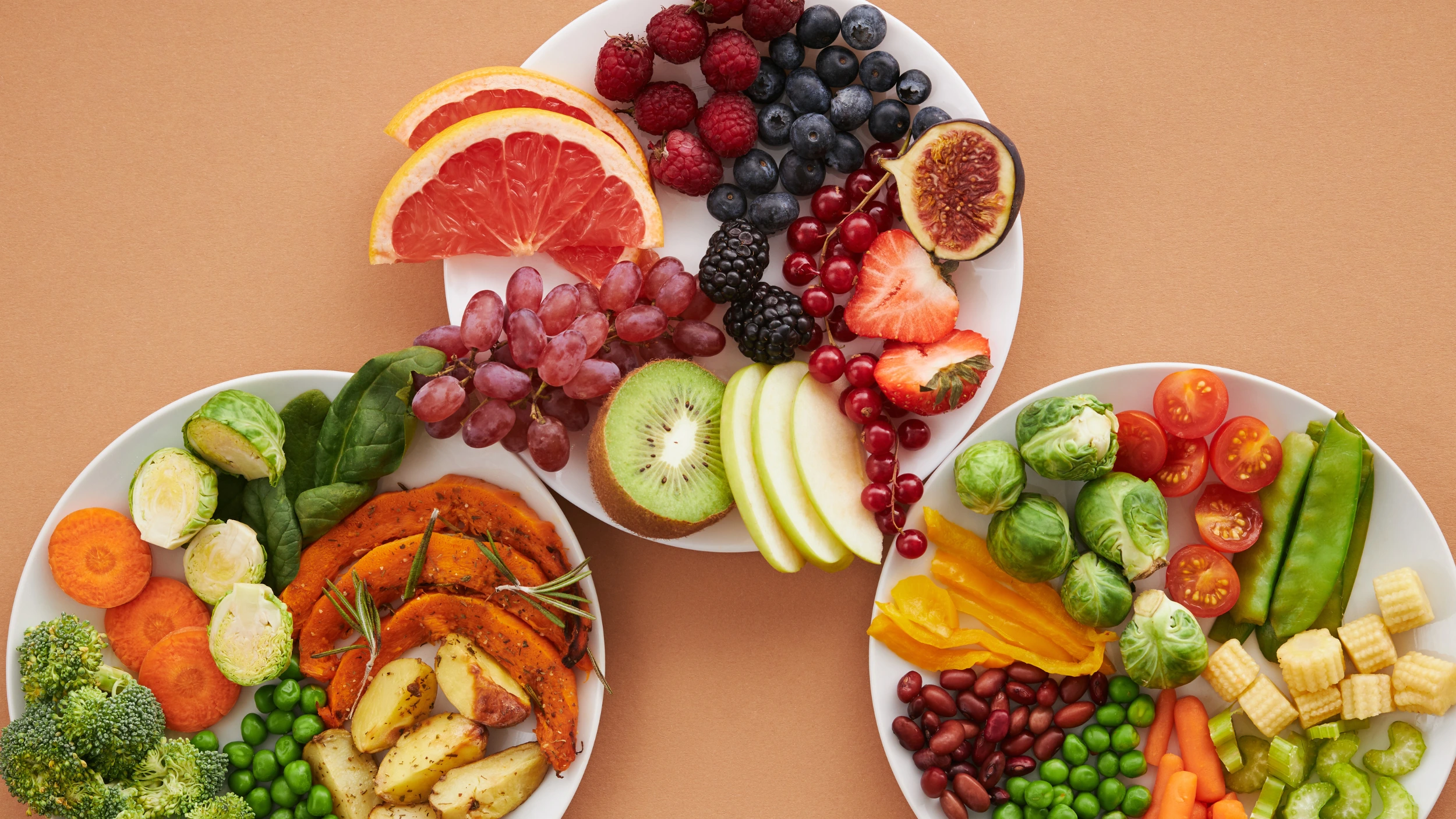
Managing ADHD meds and appetite isn't about following a restrictive diet—it's about creating a flexible framework that supports your brain, body, and medication regimen. Focus on these core principles:
- Prioritize protein at every eating opportunity: Aim for 20-30g at main meals and 10-15g at snacks.
- Don't fear carbohydrates: Your brain runs on glucose. Complex carbs support both cognitive function and energy production.
- Include healthy fats: Omega-3 fatty acids support brain health and help you feel satisfied even when eating smaller portions.
- Eat consistently, even when not hungry: Waiting until you're hungry means you're already running on empty.
FAQ: Your Top Questions Answered
What is the best thing to eat for breakfast before taking ADHD medication?
Prioritize a meal rich in protein (20-30g), healthy fats, and complex carbohydrates. Think scrambled eggs with avocado on whole-wheat toast, a Greek yogurt bowl with nuts and berries, or a protein smoothie with nut butter and oats. This combination helps stabilize blood sugar throughout the day and can soften the appetite-suppressing effects of your medication. Aim for 400-600 calories minimum.
How can I manage nausea after taking my ADHD meds?
Always take your medication with food, never on an empty stomach. The nausea often comes from the medication hitting your system without any buffer. If nausea persists even when eating beforehand, try starting with simple, bland foods like oatmeal, a banana, toast with nut butter, or a smoothie. Taking your medication with a small amount of protein can also help. If the problem continues, talk to your prescriber about adjusting your dose or trying a different formulation.
Is it okay to just have a protein shake if I can't eat a full meal?
Absolutely, yes. A quality protein shake or nutrient-dense smoothie is an excellent strategy when solid food feels completely unappealing. In fact, liquid nutrition can be easier to digest and consume when you're dealing with medication-related appetite suppression. Aim for a shake that includes protein (20-30g), healthy fats (nut butter, avocado, or chia seeds), and some carbohydrates (fruit, oats, or honey). This isn't a second-best option—it's a legitimate and strategic way to meet your nutritional needs.
Should I take a medication holiday to improve my appetite?
This is a personal decision that should be made with your prescriber. Some people find that taking breaks from their medication on weekends or days off allows their appetite to normalize and helps them "catch up" nutritionally. Others find that the inconsistency in medication makes it harder to establish eating routines. If you're consistently losing weight or struggling to meet your basic caloric needs, this is definitely worth discussing with your doctor.
Can I eat a big dinner to make up for not eating during the day?
While your evening appetite rebound is definitely a window to get in quality nutrition, trying to consume all your daily calories in one massive meal isn't ideal. Your body can only process and utilize so much nutrition at once. Instead, plan a substantial but comfortable dinner (500-700 calories) and add a hearty evening snack an hour or two later. This approach is easier on your digestive system and more effective for maintaining stable energy.
Let's Create a Plan That Works for You
Feeling overwhelmed trying to balance your ADHD medication, appetite, and nutrition needs? You absolutely don't have to figure this out alone. Every woman's body responds differently to stimulant medications, and what works for someone else might not work for you. Your medication timing, daily schedule, food preferences, and nutritional needs are unique.
As a Registered Dietitian specializing in women's health, I help clients create personalized ADHD meal plans that work with their medication schedule, lifestyle, and health goals. We'll build a sustainable eating strategy that keeps you fueled, focused, and feeling your best—without the stress of trying to force down food when your appetite has disappeared.
Ready to stop surviving on coffee and crackers? Book a one-on-one consultation and let's create a practical nutrition plan that actually fits your real life.
References
[1] Volkow ND, Wang GJ, Fowler JS, et al. Dopamine in Drug Abuse and Addiction: Results from Imaging Studies and Treatment Implications. Molecular Psychiatry, 2004.
[2] Biederman J, Spencer TJ. Attention-Deficit/Hyperactivity Disorder (ADHD) as a Noradrenergic Disorder. Biological Psychiatry, 1999.
[3] Faraone SV, Biederman J, Spencer TJ, et al. Efficacy of Mixed Amphetamine Salts Compound in Adults with Attention-Deficit/Hyperactivity Disorder. Journal of Clinical Psychiatry, 2004.
[4] Pelsser LM, Frankena K, Toorman J, et al. Effects of a Restricted Elimination Diet on the Behaviour of Children with Attention-Deficit Hyperactivity Disorder. The Lancet, 2011.
[5] Grandjean AC, Grandjean NR. Dehydration and Cognitive Performance. Journal of the American College of Nutrition, 2007.
.svg)
.svg)