.webp)
%2B(7).webp)
.png)
At a Glance
The viral 'Girl Dinner' trend isn't just a social media moment—it's an accidentally brilliant strategy for ADHD brains struggling with executive dysfunction around meals. This dietitian-approved guide shows you how to transform simple snack plates into nutritionally balanced, dopamine-supporting meals that require minimal effort and zero judgment. We're embracing strategic assembly over complex cooking, because some days that's exactly what your brain needs.
Why 'Girl Dinner' Can Be a Game-Changer for ADHD Brains
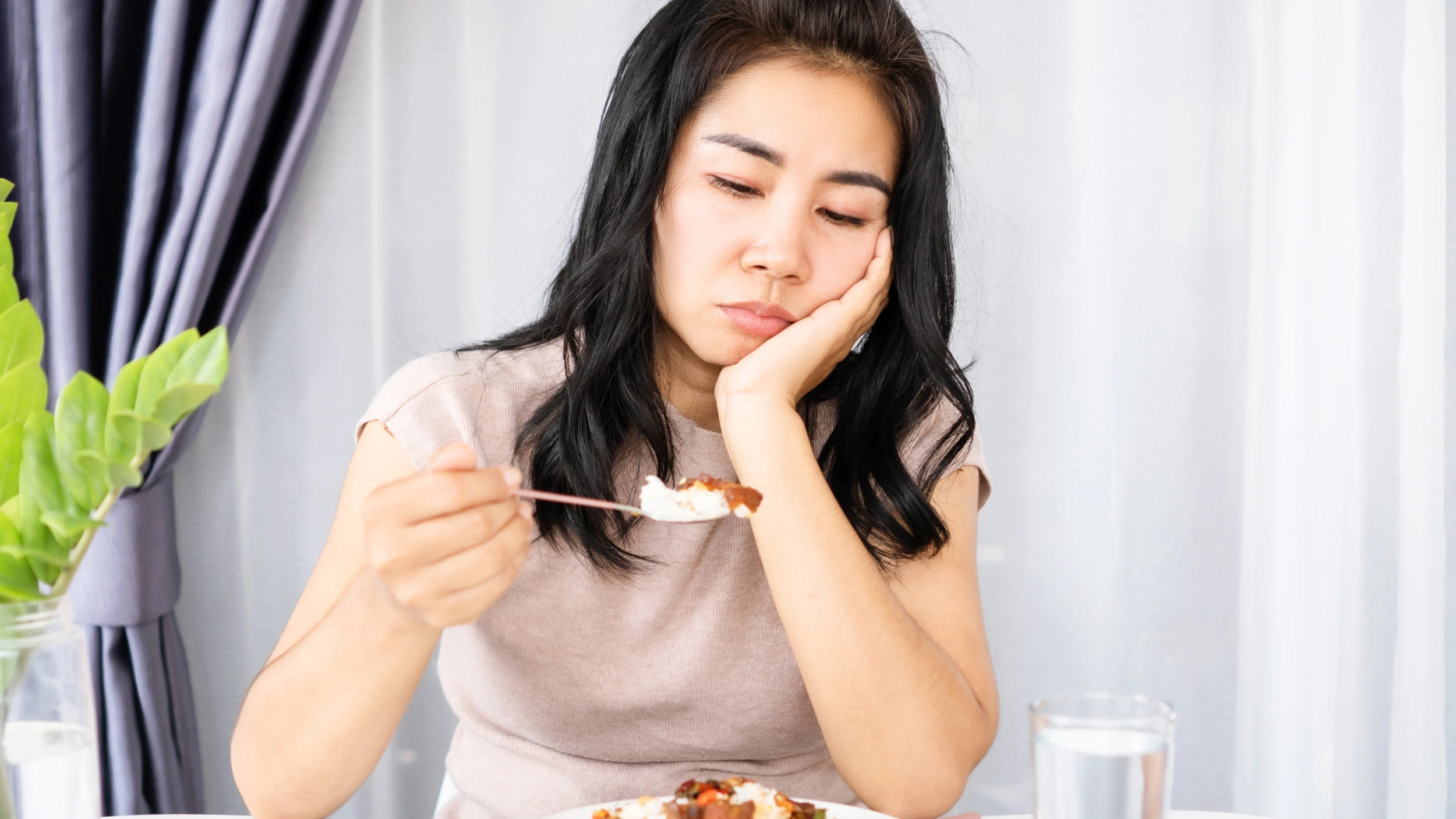
Let's get honest for a second: the expectation that you'll plan, shop for, prep, cook, and clean up after a "proper" meal every single night? That's not always realistic when you're managing ADHD. The mental load required for traditional cooking activates multiple executive functions simultaneously—planning, sequencing, time management, and sustained attention [1].
This is where the girl dinner trend becomes genuinely useful. What started as a TikTok phenomenon showing women eating eclectic combinations of snacks, cheese, and whatever's in the fridge has accidentally created a framework for low executive function meals. There's no recipe to follow, no specific order of operations, and no performance anxiety about whether you're "doing it right."
For ADHD brains specifically, this approach tackles three major barriers:
- Decision fatigue: You're choosing from what's already available rather than generating meal ideas from scratch
- Sensory flexibility: You can honor texture preferences and food aversions without forcing yourself through a predetermined recipe
- Time blindness relief: Assembly takes 5-10 minutes max, eliminating the anxiety of losing track of time while cooking
The beauty of adhd girl dinner is that it removes the shame narrative around "not cooking properly" and reframes it as an intentional, valid way to nourish yourself. You're not failing at adulting—you're adapting your eating strategy to work with your neurotype, not against it.
Building a Nutritionally Balanced ADHD 'Girl Dinner'
Here's where my dietitian brain gets excited: simplicity doesn't mean nutritional chaos. The key is using what I call the "Power of 3" formula. Every plate should include at least one item from these three categories:
- Protein source (supports neurotransmitter production and sustained energy)
- Fiber-rich food (stabilizes blood sugar and supports gut-brain axis communication [2])
- Healthy fat (essential for dopamine receptor function and mood regulation)
This framework transforms random snacking into intentional adhd nutrition for women. You're not just eating whatever—you're strategically combining foods that support your brain chemistry.
Let's talk dopamine for a moment, because it matters here. ADHD brains typically have lower baseline dopamine activity and fewer dopamine receptors in reward pathways [3]. Certain foods contain tyrosine, an amino acid that's a direct precursor to dopamine production. Including these "dopamine snacks" isn't about chasing a quick fix—it's about providing your brain with the raw materials it needs to function optimally.
The psychological component matters too. When you're feeling overwhelmed, having permission to eat a nutritionally thoughtful plate of simple foods reduces the executive function burden while still meeting your body's needs. This is vastly different from restriction or chaotic eating patterns—it's structured flexibility, which is exactly what ADHD brains often need.
If you're looking for more strategies around managing ADHD symptoms through nutrition, check out our guide on nutrition strategies for ADHD women that dives deeper into the neuroscience.
Your No-Fuss 'Girl Dinner' Starter Kit: Ideas & Hacks
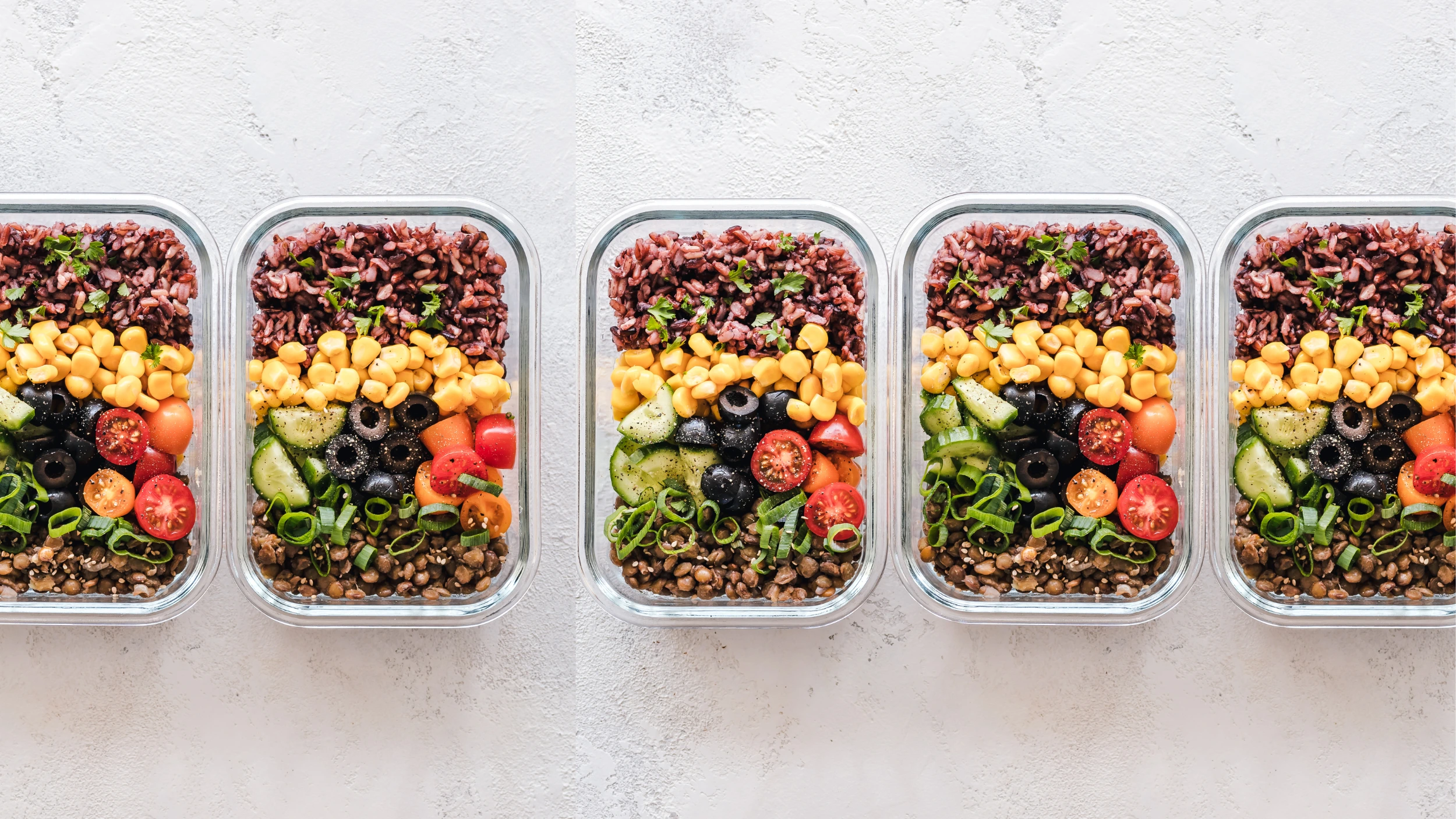
Ready for the practical stuff? Forget traditional adhd meal prep that requires chopping vegetables on Sunday for the entire week (we both know that container is going to become a science experiment by Thursday). Instead, we're focusing on what I call "strategic assembly"—keeping a rotating stock of grab-and-go components that you can mix and match.
Here's your foundational shopping list for easy meals for adhd women:
Protein Picks (choose 3-4 to keep stocked):
- Rotisserie chicken (pre-shredded saves even more energy)
- Hard-boiled eggs (buy them pre-cooked or make a batch in your Instant Pot)
- Greek yogurt or cottage cheese (bonus: provides probiotics for gut health)
- Quality deli turkey or chicken
- Canned tuna or salmon (the pouches are even easier)
- Edamame (frozen, microwave-ready)
- String cheese or cheese cubes
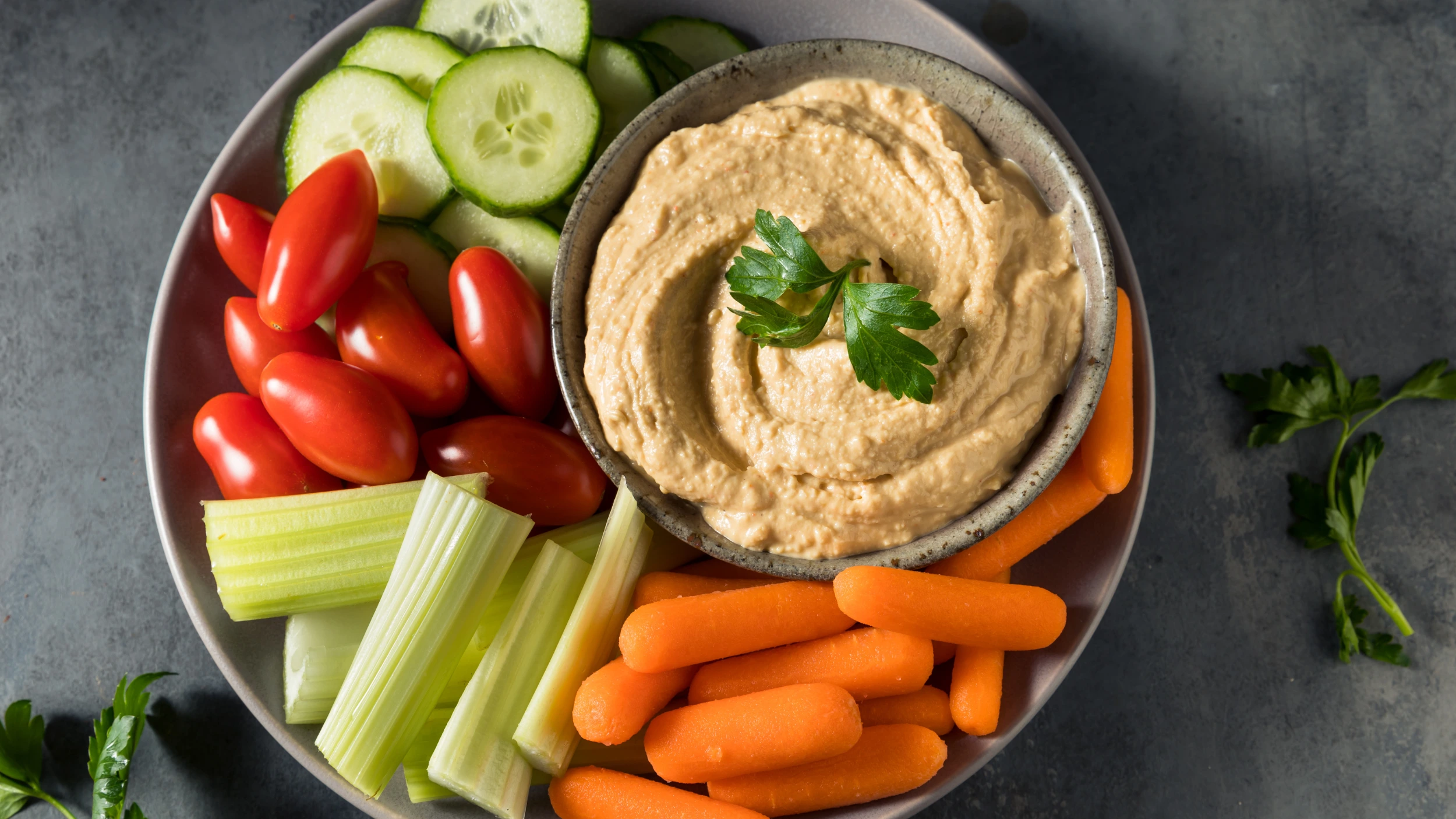
- Hummus (counts as both protein and fiber)
Fiber-Rich Components:
- Pre-cut vegetables (carrots, bell peppers, cucumber, cherry tomatoes)
- Fresh fruit (berries, apple slices, grapes—whatever you'll actually eat)
- Whole grain crackers or rice cakes
- Snap peas or sugar snap peas
- Dried fruit (watch portions, but they're shelf-stable gold)
- Avocado (also your healthy fat)
Healthy Fats & Dopamine Boosters:
- Mixed nuts or almonds (almonds are particularly high in tyrosine [4])
- Dark chocolate (70% or higher—yes, this counts)
- Olives
- Pumpkin seeds
- Nut butter with apple slices
- Avocado (doing double duty here)
The Assembly Strategy:
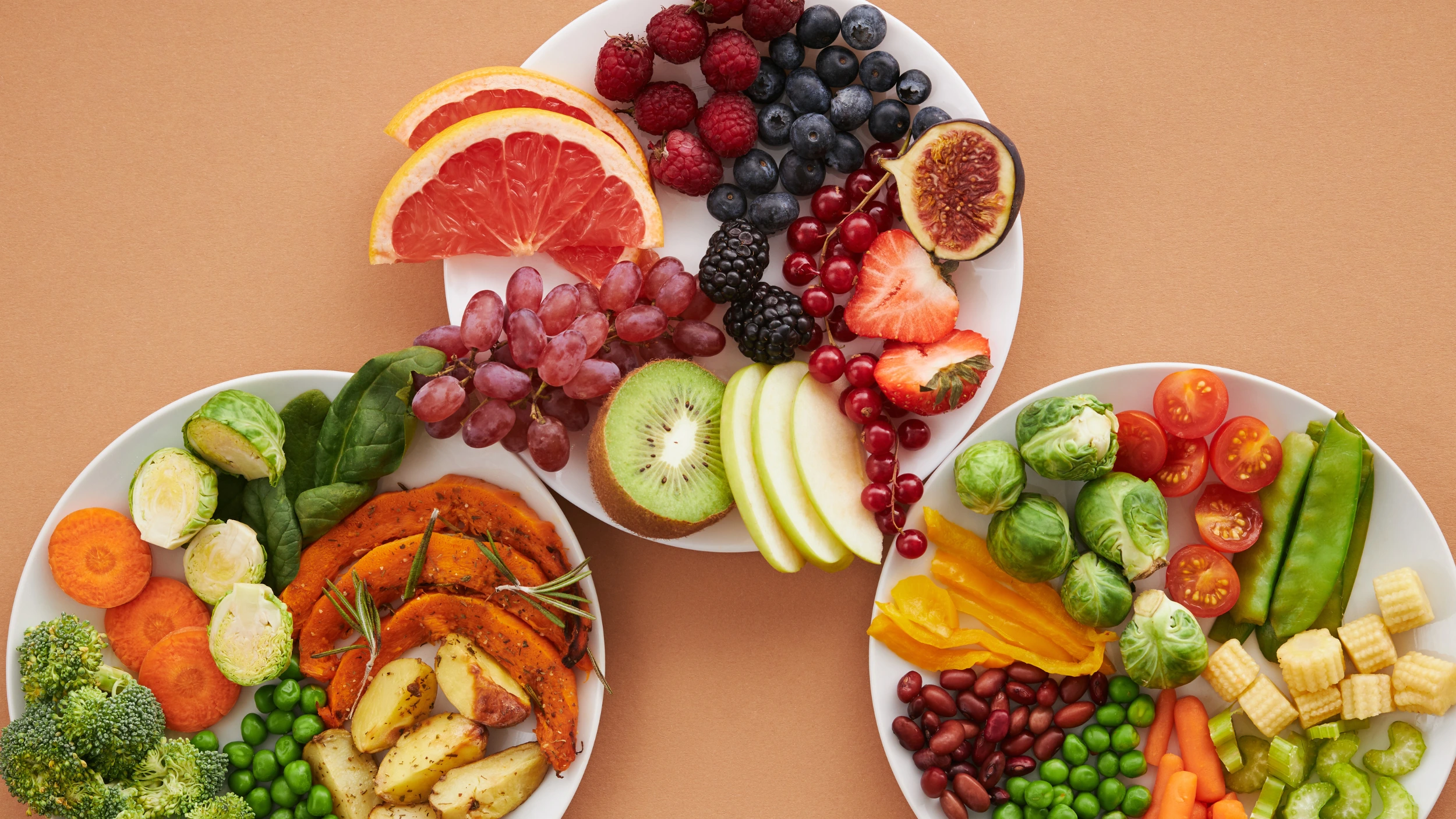
Instead of thinking "what should I make for dinner," shift to "what combination sounds good right now?" Grab a plate and choose at least one item from each category. Some winning combinations my clients love:
- Rotisserie chicken + hummus + cucumber slices + almonds + dark chocolate squares
- Hard-boiled eggs + cheese cubes + cherry tomatoes + whole grain crackers + grapes
- Greek yogurt bowl + berries + pumpkin seeds + a drizzle of honey
- Tuna pouch + avocado + rice cakes + snap peas + olives
The goal isn't perfection or Instagram-worthy presentation. The goal is feeding yourself in a way that feels manageable and meets your nutritional needs. Some nights that's an elaborate charcuterie situation, other nights it's cheese, crackers, and an apple. Both are completely valid.
For more ideas on reducing the mental load around eating, our article on intuitive eating strategies for busy women offers complementary approaches that pair beautifully with this framework.
Sensory Hacks:
If you're dealing with ADHD-related sensory sensitivities around food, girl dinner is incredibly adaptable:
- Prefer all the same texture? Load up on crunchy items or all soft foods
- Need visual variety? Use a divided plate or small bowls
- Temperature sensitive? Everything can be room temperature—no reheating required
- Eating in front of the TV reduces your stress? Do it without guilt
The anti-diet approach here is intentional. Research shows that rigid food rules and restriction can actually worsen executive function challenges [5]. When you remove the pressure and moralization around eating, you create space for more consistent, nourishing choices.
Making It Sustainable: Your ADHD-Friendly Systems
The difference between a strategy that works once and one that becomes a sustainable habit is systems design. Here's how to set yourself up:
Visibility is everything. ADHD brains struggle with object permanence—if you can't see it, it doesn't exist. Keep your girl dinner components at eye level in clear containers. That pre-cut veggie tray needs to be front and center, not hidden in the crisper drawer.
Reduce friction points. Every extra step between you and eating increases the chance you'll order takeout instead. Buy pre-washed greens. Get the pre-cubed cheese. Use paper plates on hard days. This isn't laziness—this is accommodating your neurology.
Dopamine reinforcement. Pair your girl dinner with something enjoyable—your favorite show, a good podcast, sitting outside if weather permits. You're essentially creating a positive association that makes the behavior more likely to repeat [6].
If you're also managing other aspects of ADHD alongside nutrition, you might find value in our comprehensive guide on managing ADHD symptoms naturally, which explores the interconnection between nutrition, sleep, and executive function.
FAQ: Your Quick Questions Answered
Is 'Girl Dinner' actually healthy for someone with ADHD?
Absolutely, when you're intentional about it. The difference between nutritionally sound adhd friendly meals and just grazing randomly is the Power of 3 framework: including protein, fiber, and healthy fats. A plate with cheese, crackers, vegetables, hummus, fruit, and nuts checks all the boxes for balanced nutrition. It's not about the format of the meal—it's about the nutritional composition. For many ADHD women, this approach actually leads to more consistent nutrition than the cycle of planning elaborate meals, feeling overwhelmed, and then eating nothing or grabbing fast food.
How can I make sure I get enough protein with ADHD snack plates?
Protein is non-negotiable for ADHD nutrition because it provides the amino acids needed for neurotransmitter synthesis. Focus on easy, zero-cook options:
- Greek yogurt or cottage cheese (15-20g protein per serving)
- Hard-boiled eggs (6g each)
- Deli turkey or rotisserie chicken (about 20g per 3 oz)
- Cheese (7g per ounce)
- Canned tuna or salmon pouches (15-20g per pouch)
- Edamame (17g per cup)
- Quality protein shake on the side (if whole food feels like too much)
Aim for at least 20-30 grams of protein per meal to support satiety and stable energy. If you're building a girl dinner plate, that might look like 2 hard-boiled eggs + 1 oz cheese + ¼ cup hummus, which gets you right around 25 grams.
What are some good 'dopamine snacks' to include in a Girl Dinner?
Focus on foods rich in tyrosine, the amino acid precursor to dopamine. Research indicates that tyrosine availability can influence dopamine synthesis, particularly relevant for ADHD brains [7]. Easy additions include:
- Almonds or mixed nuts (also provide healthy fats and protein)
- Pumpkin seeds (bonus: high in magnesium, which many ADHD women are deficient in)
- Dark chocolate 70% or higher (contains both tyrosine and mood-supporting compounds)
- Cheese (particularly aged varieties)
- Avocado
- Edamame
- Chicken or turkey
Remember, food isn't medication—these won't "fix" ADHD, but they provide nutritional support for optimal brain function. Think of it as creating the best possible foundation for whatever other strategies or treatments you're using.
Can I do girl dinner every night, or should I feel guilty about it?
Let's dismantle the guilt right now. There's nothing inherently superior about a meal that required 45 minutes of cooking versus one that took 5 minutes of thoughtful assembly. If your girl dinner includes protein, produce, healthy fats, and fiber, you're meeting your nutritional needs. Some of my clients do this style of eating 5-6 nights per week and have never been more consistently nourished. Others use it as their backup plan for high-stress days. Both approaches are completely valid. The "proper meal" narrative is a social construct, not a nutritional requirement.
Your Next Step
If you're reading this and feeling that mix of relief and excitement—like maybe feeding yourself doesn't have to be so hard—you're already on the right track. The girl dinner adhd strategy is about working with your brain's natural wiring instead of fighting against it every single day.
But here's what I know from working with hundreds of ADHD women: general strategies are helpful, but personalized nutrition guidance is transformative. Maybe you're dealing with specific sensory issues, medication interactions, or health conditions that need individualized attention. Maybe you want help building systems that stick, or you need accountability without judgment.
That's exactly what we do.
Ready to create an ADHD-friendly nutrition strategy that feels easy and intuitive? Book a 1-on-1 consultation with our specialized dietitians today and let's build a personalized plan that actually fits your life.
You deserve to feel nourished without the overwhelm. Let's make it happen together.
References
[1] Barkley RA. Executive Functions: What They Are, How They Work, and Why They Evolved. The Guilford Press, 2012.
[2] Mörkl S, Butler MI, Holl A, et al. Probiotics and the Microbiota-Gut-Brain Axis: Focus on Psychiatry. Neuroscience & Biobehavioral Reviews, 2023.
[3] Volkow ND, Wang GJ, Kollins SH, et al. Evaluating Dopamine Reward Pathway in ADHD: Clinical Implications. JAMA, 2009.
[4] Fernstrom JD, Fernstrom MH. Tyrosine, Phenylalanine, and Catecholamine Synthesis and Function in the Brain. Journal of Nutrition, 2007.
[5] Linardon J, Susanto L, Tepper H, et al. The Relationship Between Dietary Restraint and Executive Function in Eating Behaviors. Appetite, 2022.
[6] Schultz W. Dopamine Reward Prediction Error Coding. Annual Review of Psychology, 2015.
[7] Jongkees BJ, Hommel B, Kühn S, Colzato LS. Effect of Tyrosine Supplementation on Clinical and Healthy Populations Under Stress or Cognitive Demands. Neuroscience & Biobehavioral Reviews, 2015.
.svg)
.svg)