.webp)

%2B(7).webp)
.png)
At a Glance
Starting your day with 30g of protein isn't just another wellness trend—it's a neuroscience-backed strategy specifically powerful for women with ADHD. This amount of protein directly supports dopamine production, stabilizes blood sugar to prevent focus-killing crashes, and provides the sustained energy your ADHD brain needs to function optimally. We're breaking down exactly why this matters, plus giving you five-minute breakfast ideas that actually work for low-executive-function mornings.
Introduction: Your ADHD Brain Deserves Better Than Survival Mode
Let me guess: You've hit snooze four times, scrolled your phone for 20 minutes while still in bed, and now you're running late with zero appetite but a growing sense of dread about the day ahead. Maybe you grab a granary bar or skip breakfast entirely, telling yourself you'll "eat something later."
Here's what I see in my practice constantly: women with ADHD stuck in a morning survival loop that actually makes their symptoms worse. The brain fog, the emotional dysregulation, the inability to start tasks—these aren't just ADHD being ADHD. Often, they're significantly amplified by what's happening (or not happening) at breakfast.
The good news? A single, strategic shift—anchoring your morning with 30g of protein—can fundamentally change how your brain shows up for the rest of the day. This isn't about perfection or adding more to your overwhelm. It's about working with your ADHD brain's specific neurochemistry, not against it.
Why Your ADHD Brain Craves Protein First Thing
Let's get clinical for a minute, because understanding the "why" makes the "what" so much easier to stick with.
ADHD is fundamentally a disorder of neurotransmitter dysregulation, particularly dopamine and norepinephrine [1]. These chemical messengers are critical for executive functions like focus, motivation, impulse control, and emotional regulation. When they're running low or unbalanced, you feel it immediately—scattered thoughts, difficulty starting tasks, emotional reactivity.
Here's where protein becomes non-negotiable: it provides the amino acid building blocks your brain needs to synthesize these neurotransmitters. Specifically, the amino acid tyrosine is a direct precursor to dopamine [2]. When you eat adequate protein, you're literally giving your brain the raw materials it needs to manufacture the focus-supporting chemicals it's already struggling to regulate.
But there's another layer. ADHD and blood sugar crashes are a particularly nasty combination. When you skip protein or lean heavily on refined carbs (hello, bagel and orange juice), your blood sugar spikes rapidly, then crashes hard. That crash triggers irritability, brain fog, and intense carb cravings—all symptoms that overlap with and worsen ADHD presentation [3].
A high-protein breakfast, particularly one hitting that 30g threshold, creates sustained satiety and steady glucose release. You avoid the rollercoaster entirely. Research shows that higher protein intake at breakfast specifically improves attention and cognitive performance throughout the morning in individuals with attention difficulties [4].
Think of it this way: your ADHD brain is already running on a less efficient operating system. Protein is the premium fuel that helps it run as smoothly as possible.
Building Your 30g Protein Breakfast: 5-Minute, No-Fuss Ideas
I know what you're thinking: "30g sounds like a lot, and I barely have time to brush my teeth." I hear you. This is designed for real life, not Instagram.
The secret is combining complementary protein sources and having a mental template, not a rigid recipe. Here are your go-to frameworks:
The Greek Yogurt Power Bowl (32g protein)
- 2 cups plain Greek yogurt (20g): Choose full-fat for better satiety and brain health
- 2 tablespoons hemp seeds (6g): Toss on top, adds omega-3s
- 1/4 cup granola with nuts (3g): For crunch and satisfaction
- 1 tablespoon almond butter (3g): Swirl it in
Total prep time: 90 seconds. Make it the night before if mornings are particularly brutal.
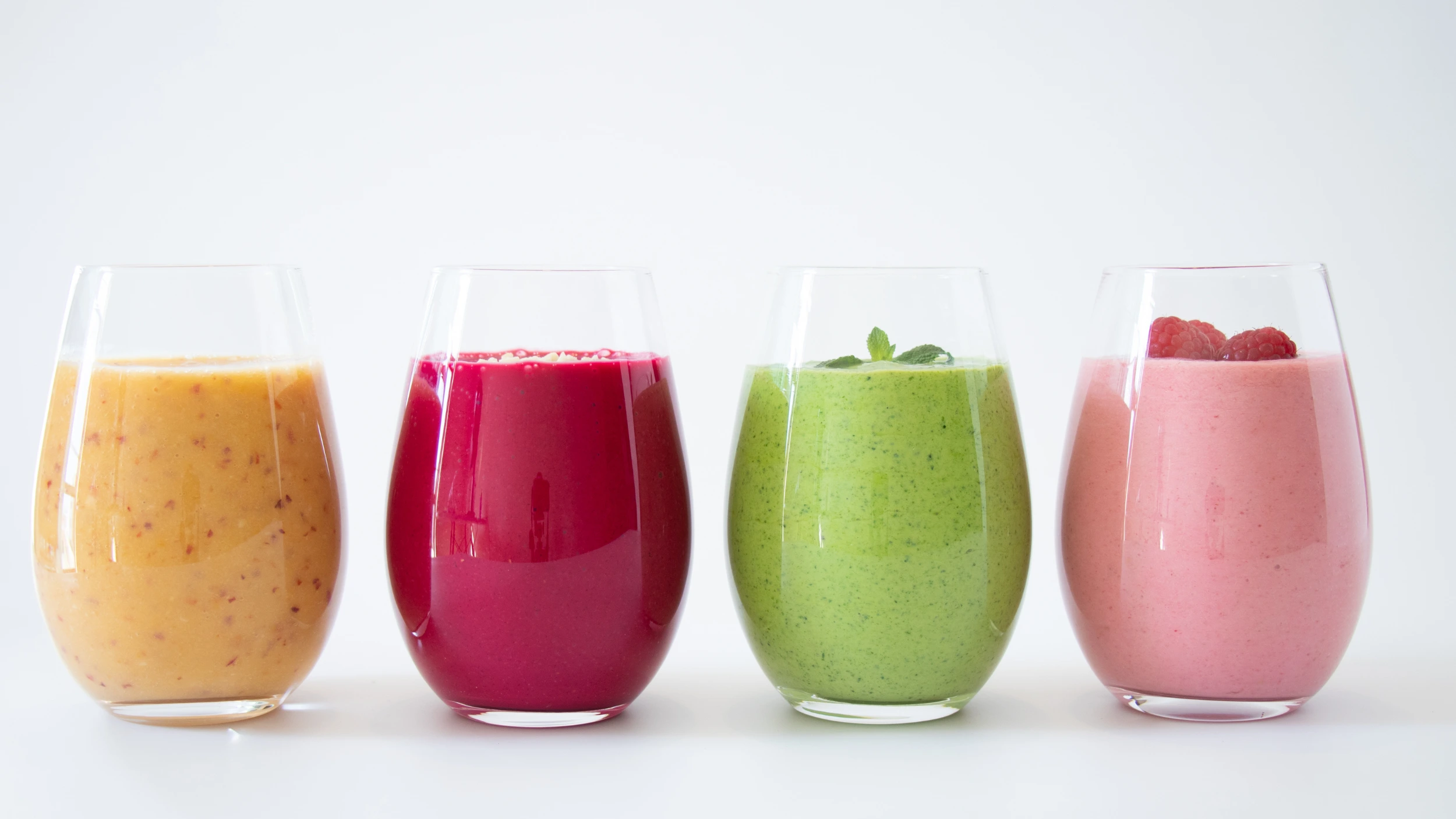
The Blender-Free Protein Smoothie (31g protein)
- 1 cup cottage cheese (28g): Yes, blend this—it gets creamy
- 1/2 cup frozen berries: Antioxidants for brain health
- 1 tablespoon chia seeds (3g): Thickens as it sits
- Splash of milk or milk alternative
Shake it in a mason jar or use a cheap personal blender. Done in under 3 minutes.
The Savory Scramble Plate (33g protein)
- 3 whole eggs (18g): Scrambled in 2 minutes
- 1/2 cup black beans, drained (7g): Microwave for 45 seconds
- 1/4 cup shredded cheese (7g): Melt on top
- Salsa and avocado: For flavor and healthy fats
This is especially good if sweet breakfasts don't appeal to you. Balancing macros for ADHD means honoring what actually sounds good.
The Zero-Cook Protein Plate (30g protein)
- 6 oz smoked salmon (30g): Pre-packaged, shelf-stable options exist
- Avocado and cucumber slices: For crunch and healthy fats
- Everything bagel seasoning: Because flavor matters
The Make-Ahead Egg Muffins (28g protein for 4 muffins)
- 8 whole eggs (48g): Whisk with milk
- 1 cup diced ham or turkey sausage (20g): Pre-cooked
- Chopped veggies and cheese: Whatever you have
Bake in a muffin tin on Sunday. Grab 4 throughout the week and reheat for 30 seconds. This is your executive dysfunction insurance policy.
The framework here is simple: choose a high-protein base (Greek yogurt, cottage cheese, eggs, or fish), then add complementary sources (nuts, seeds, cheese, beans) until you hit 30g. Use a protein tracking app for one week just to build intuition, then you'll eyeball it easily.
Beyond the Plate: Crafting a Sustainable Morning Ritual
Here's the truth: even the perfect breakfast won't stick if your entire morning feels like chaos. Women with ADHD benefit enormously from external structure and reduced decision fatigue [5].
Let's build a realistic, sensory-friendly morning sequence that makes the protein breakfast automatic:
The Night-Before Prep Strategy
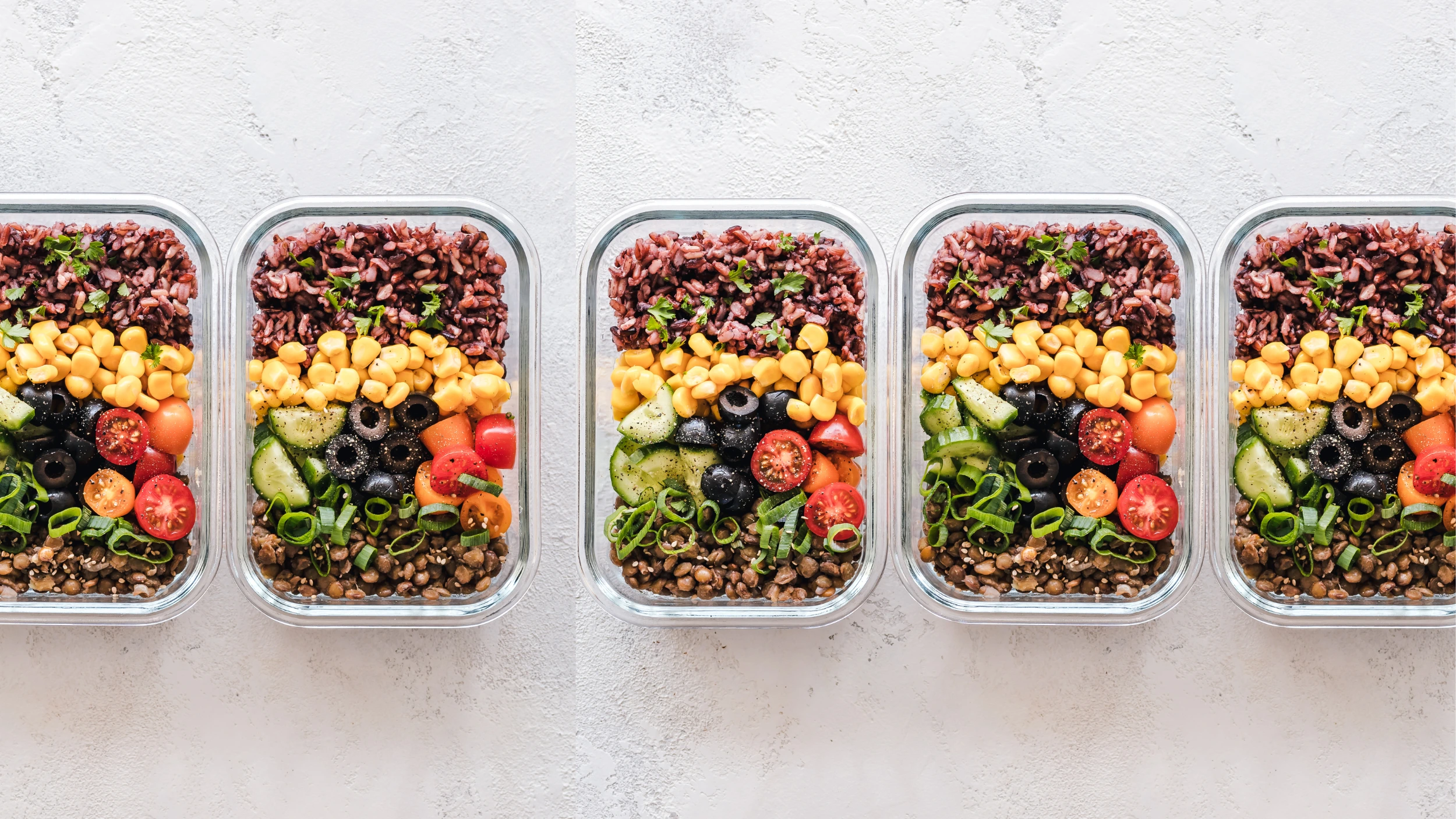
- Designate one shelf in your fridge as "Breakfast HQ": All your protein staples live here—Greek yogurt, hard-boiled eggs, pre-cooked proteins, cheese sticks
- Set out your bowl, spoon, and any pantry items: Hemp seeds, nuts, protein powder all go on the counter
- Lay out your morning outfit: One less decision stealing your morning energy
The Habit Stack Sequence
Habit stacking means attaching your new behavior to an existing anchor. Try this:
- Wake up → Immediate 10 minutes outside or by a sunny window: Morning light exposure regulates circadian rhythm and dopamine production [6]
- Light exposure → Eat your 30g protein breakfast: The sequence becomes automatic
- Finish eating → Take ADHD medication (if prescribed): Protein can enhance medication absorption and reduce side effects for some individuals
This isn't about being rigid. It's about creating a predictable sequence your ADHD brain can latch onto. Morning routines for neurodivergent women work best when they're simple and sensory-grounding.
The Compassion Clause
Some mornings will be a disaster. You'll sleep through your alarm, your kid will have a meltdown, or your brain will simply refuse to cooperate. On those days, the win is a protein shake you can drink in the car or a string cheese and handful of almonds.
Progress, not perfection. A 20g protein breakfast on a hard day is infinitely better than no breakfast or a carb-only option. Give yourself that grace.
FAQ: Your Quick Questions Answered
Why is 30g of protein so important for an ADHD breakfast?
This amount is key for promoting satiety and preventing the sharp blood sugar spikes and crashes that can worsen ADHD symptoms like irritability and inattention. It provides a slow, steady release of energy to the brain and supplies adequate amino acids for neurotransmitter production, particularly dopamine. Research suggests this threshold optimizes cognitive performance and sustains focus through the morning hours.
Can a high-protein breakfast replace my ADHD medication?
Absolutely not. Nutrition is a powerful tool to support your brain and can work synergistically alongside your prescribed treatment plan, but it is not a replacement for medication. Many of my clients find that strategic nutrition reduces some symptom severity and medication side effects, but these decisions must always be made in consultation with your prescribing physician. Think of it as complementary support, not an alternative.
What are some quick protein sources if I have zero time to cook?
Focus on these grab-and-go options:
- Pre-cooked hard-boiled eggs: 6g protein each
- Individual Greek yogurt or cottage cheese cups: 15-20g per container
- High-quality protein powder for a quick shake: 20-25g per scoop
- Nitrate-free deli turkey or chicken slices: 15g per 3 oz
- String cheese and almonds: Quick combo hitting 10-12g
- Protein bars with minimal added sugar: Look for 15-20g protein, under 5g sugar
The key is having these items already purchased and visible in your fridge. Out of sight truly is out of mind with ADHD.
I'm not hungry in the morning. Do I still need to eat?
Lack of morning appetite is incredibly common with ADHD, and it's often a symptom of dysregulated blood sugar from the previous day or medication effects. Start small—even 15g of protein is better than nothing. Try a smoothie or drinkable option, which often feels more manageable than solid food. As you stabilize your blood sugar patterns over a few weeks, natural hunger cues often return. Your body is trustworthy; it just needs consistent fuel signals.
Does the type of protein matter?
Quality matters, but not as much as consistency. Prioritize whole food sources when possible—eggs, Greek yogurt, fish, poultry, legumes—because they come packaged with other brain-supporting nutrients like B vitamins, zinc, and omega-3s. That said, a high-quality protein powder on a chaotic morning is absolutely a win. Look for minimal ingredients and third-party testing. Don't let perfect be the enemy of good enough.
Take Control of Your Focus Today
Your ADHD brain isn't broken—it just operates differently, and it deserves nutrition that actually supports its unique wiring. Starting your day with 30g of protein is one of the most evidence-based, accessible strategies you can implement right now to support focus, stable energy, and emotional regulation.
But here's what I know from working with hundreds of women: sustainable change happens when you have personalized support and accountability. What works for your friend or what you read in a generic article might not work for your specific ADHD presentation, medication, lifestyle, or food preferences.
Ready to build a personalized nutrition strategy that works with your ADHD brain, not against it? Book a 1:1 consultation with our dietitian team to get started. We'll dig into your unique patterns, troubleshoot your specific barriers, and create a realistic plan that actually fits your life.
Your mornings can feel different. Let's make it happen.
References
[1] Volkow ND, Wang GJ, Kollins SH, et al. Evaluating Dopamine Reward Pathway in ADHD: Clinical Implications. JAMA, 2009.
[2] Bloemendaal M, Froböse MI, Wegman J, et al. Effects of Tyrosine Supplementation on Clinical and Cognitive Outcomes in Patients with ADHD. Neuropsychologia, 2017.
[3] Bubnik MG, Goodman DW. Blood Glucose Fluctuations and Attentional Deficits in ADHD. Postgraduate Medicine, 2014.
[4] Defeyter MA, Russo R. The Effect of Breakfast Cereal Consumption on Adolescents' Cognitive Performance and Mood. Frontiers in Human Neuroscience, 2013.
[5] Ptacek R, Weissenberger S, Braaten E, et al. Clinical Implications of the Perception of Time in Attention Deficit Hyperactivity Disorder (ADHD): A Review. Medical Science Monitor, 2019.
[6] LeGates TA, Fernandez DC, Hattar S. Light as a Central Modulator of Circadian Rhythms, Sleep and Affect. Nature Reviews Neuroscience, 2014.
.svg)
.svg)