.webp)
%2B(7).webp)
.png)
At a Glance
ADHD can make consistent eating feel impossible, especially when medication suppresses appetite or executive dysfunction interferes with meal prep. High-calorie smoothies offer a strategic solution—delivering brain-supporting nutrients in an easy, drinkable format that requires minimal planning. These five recipes are designed specifically to combat appetite loss, support neurotransmitter function, and provide lasting energy without overwhelming your system.
Why ADHD Brains Need Different Nutritional Support
Let's be real: eating with ADHD isn't just about willpower. Stimulant medications commonly prescribed for ADHD can significantly reduce appetite[1], making it challenging to consume enough calories throughout the day. Add in time blindness, hyperfocus that makes you forget meals entirely, and the executive function required to plan and prepare food, and you've got a perfect storm for inadequate nutrition.
Your brain requires specific nutrients to manufacture neurotransmitters like dopamine and norepinephrine—the very chemicals that help regulate attention and focus[2]. When you're not eating enough, you're essentially asking your brain to perform optimally without the raw materials it needs. High-calorie ADHD smoothies bridge this gap by packing maximum nutrition into minimal volume, making them perfect for days when eating feels like a chore.
If you're also dealing with digestive issues that complicate your eating patterns, understanding the gut-brain connection can provide additional strategies for supporting both your mental and digestive health.
1. Master the 'Brain-Fuel' Base: Protein, Fat & Fiber
Your smoothie foundation determines whether you'll feel satisfied for hours or hungry again in thirty minutes. The secret is creating a macronutrient balance that supports stable blood sugar and provides sustained energy—critical for managing ADHD symptoms throughout the day.
The Three Non-Negotiable Components
Protein (20-30g per smoothie): Amino acids from protein are the building blocks for dopamine and other neurotransmitters[3]. Without adequate protein, your brain simply can't produce the chemicals needed for focus and motivation.
Healthy Fats (15-25g per smoothie): Fats slow digestion, help you absorb fat-soluble vitamins, and provide concentrated calories without added volume—essential when appetite is low.
Fiber (8-12g per smoothie): Fiber prevents blood sugar spikes that can worsen ADHD symptoms and helps you feel fuller longer.
This strategic combination creates what I call "liquid nutrition for ADHD"—a meal that requires zero chewing but delivers complete, balanced nutrition your brain can actually use.
2. Smart Add-Ins to Combat Appetite Loss & Boost Calories
When you're dealing with medication-related appetite suppression, the goal is maximizing calories without increasing volume. These nutrient-dense additions can easily double your smoothie's caloric content while enhancing its nutritional profile.
Calorie-Dense Superchargers
Quick Reference: Calorie Boosters Chart
IngredientAmountCaloriesWhy It Works for ADHDAvocado1/2 medium160Healthy fats + creamy texturePeanut butter2 tbsp190Protein + fats + satisfyingFull-fat Greek yogurt1 cup220Protein + probiotics for gut healthHemp hearts3 tbsp170Complete protein + omega-3sCoconut cream1/4 cup140Rich, won't trigger fullness quicklyWhole milk1 cup150Familiar taste + vitamin D
For more strategies on managing ADHD-related eating challenges, check out our guide on ADHD and appetite regulation.
3. Top 5 Easy & Delicious ADHD Smoothie Recipes
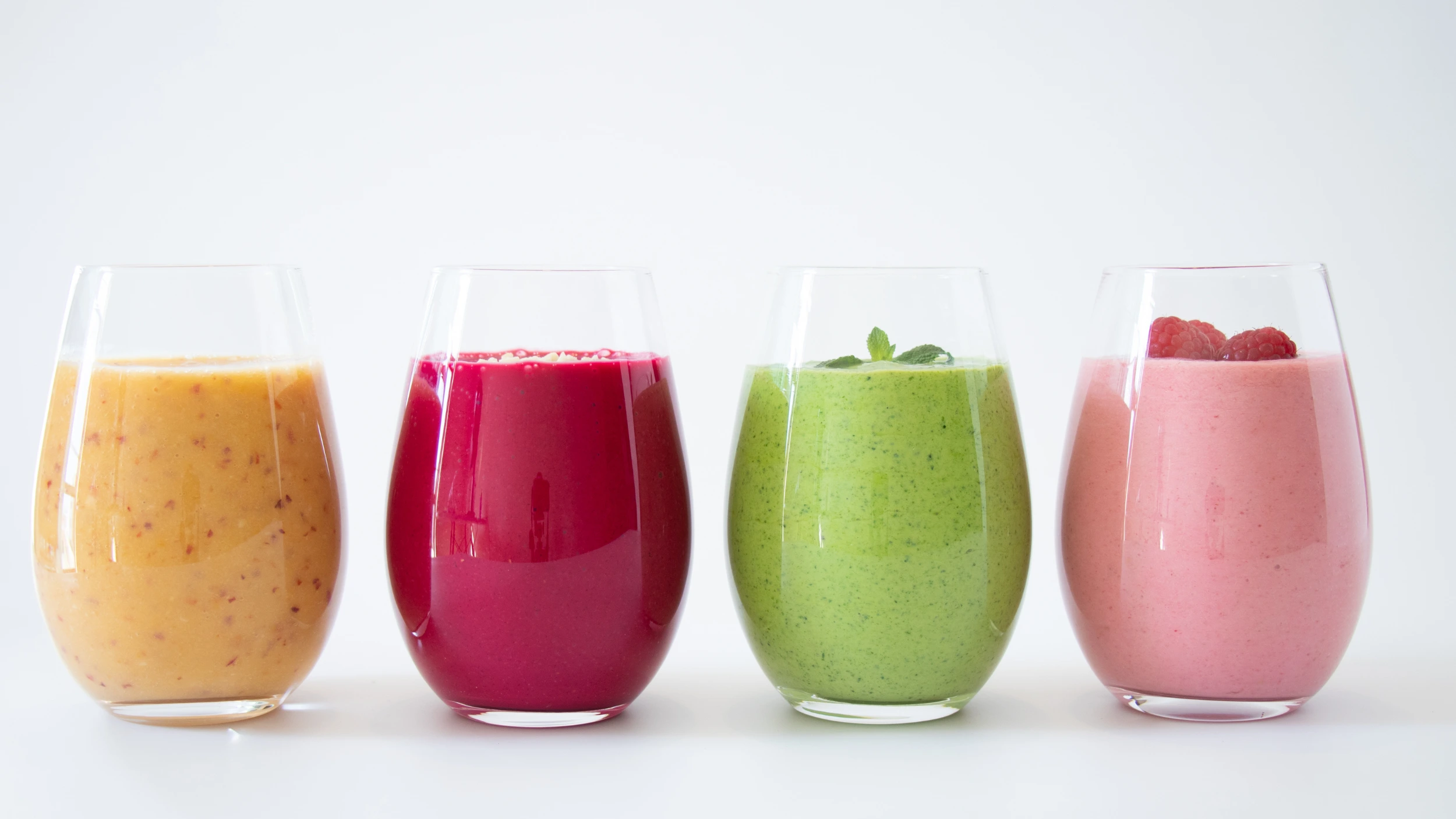
Each of these recipes takes under five minutes to make and requires minimal executive function—just dump ingredients in a blender and press start. They're designed to be palatable even for picky eaters while delivering 400-600+ calories per serving.
Recipe #1: Chocolate Avocado Brain Boost
Calories: 580 | Protein: 28g | Prep time: 3 minutes
Why it works: The combination of healthy fats from avocado, protein, and a touch of natural sweetness creates a dessert-like smoothie that doesn't taste "healthy." Perfect for chocolate lovers who struggle with traditional breakfast foods.
Recipe #2: Berry Spinach Focus Fuel
Calories: 520 | Protein: 25g | Prep time: 3 minutes
Why it works: Berries are rich in antioxidants that support cognitive function[4], while the spinach provides iron—a mineral that many with ADHD are deficient in. The purple color masks the greens completely.
Recipe #3: Peanut Butter Banana Power Shake
Calories: 640 | Protein: 32g | Prep time: 2 minutes
Why it works: This is the ultimate ADHD weight gain shake—familiar flavors, incredibly satisfying, and packed with slow-burning carbs that prevent energy crashes. The oats add substance without requiring chewing.
Recipe #4: Tropical Green Energizer
Calories: 490 | Protein: 22g | Prep time: 3 minutes
Why it works: The tropical fruits completely mask the greens and tofu, making this ideal for picky eaters. It's refreshing rather than heavy, which can be easier to consume when appetite is low.
Recipe #5: Vanilla Maple Protein Dream
Calories: 560 | Protein: 30g | Prep time: 2 minutes
Why it works: The cottage cheese adds incredible creaminess and protein without any noticeable texture. This tastes like a milkshake but delivers serious nutrition.
Pro Tips for Minimal-Effort Prep
Let's be honest: even "simple" recipes can feel overwhelming when executive dysfunction kicks in. Here's how to make smoothies truly effortless:
If meal planning feels overwhelming in general, our article on easy ADHD meal prep strategies offers additional executive function-friendly approaches.
The Blood Sugar Connection: Why Balance Matters for ADHD
Here's something crucial that doesn't get talked about enough: blood sugar instability can significantly worsen ADHD symptoms. When you consume high amounts of simple sugars without adequate protein and fat, you experience rapid glucose spikes followed by crashes[5]. During these crashes, you might notice:
This is why the "brain-fuel base" formula matters so much. By combining protein, healthy fats, and fiber with your carbohydrates, you create a steady release of glucose into your bloodstream. Your brain gets consistent fuel instead of the rollercoaster that makes ADHD symptoms harder to manage.
FAQ: Your Quick Questions Answered
Q1: Can a smoothie really replace a meal for someone with ADHD?
Yes, absolutely—if it's built correctly. A smoothie can be a nutritionally complete meal replacement when it contains a healthy balance of protein (20-30g), fats (15-25g), complex carbohydrates, and fiber (8-12g). This combination ensures you stay full and energized for 3-4 hours, just like a traditional meal would. The recipes above are specifically designed to meet these requirements, making them legitimate meal replacements rather than just snacks.
Q2: What ingredients should I avoid in a smoothie for ADHD?
Try to limit high amounts of added sugars from fruit juice, sweetened yogurts, flavored protein powders with artificial sweeteners, or table sugar. These can lead to energy spikes and crashes that worsen ADHD symptoms like impulsivity and concentration difficulties. Also avoid relying solely on fruit without protein and fat—while fruit is nutritious, it won't provide sustained energy on its own. Finally, be cautious with caffeine if you're sensitive; while some people with ADHD benefit from caffeine, others find it increases anxiety.
Q3: How can I make smoothies ahead of time for a busy week?
You have two great options. First, you can create "smoothie packs" by portioning all your solid and frozen ingredients into freezer bags. When you're ready, just dump the contents into a blender, add your liquid of choice, and blend. Second, you can actually blend smoothies and freeze them in mason jars (leave 2 inches of space at the top for expansion). Thaw overnight in the fridge, shake well, and drink. They'll stay fresh for up to 3 months in the freezer.
Q4: I take ADHD medication that kills my appetite. When should I drink these smoothies?
Timing is everything with medication-related appetite suppression. Try drinking a high-calorie smoothie first thing in the morning before your medication kicks in, when your natural appetite is highest. You can also have one in the evening as medication wears off. Some people find that cold, thick smoothies are easier to consume than solid food even when appetite is suppressed, so don't be afraid to sip on one throughout the day.
Q5: Are these smoothies suitable for picky eaters with ADHD?
Absolutely. ADHD and picky eating often go hand-in-hand due to sensory sensitivities and food texture aversions. Smoothies eliminate texture issues since everything is blended smooth. The recipes above are designed with strategic flavor combinations—like chocolate masking avocado, or tropical fruit hiding greens—that make them palatable even for selective eaters. Start with the flavors you already know you like and gradually experiment from there.
Create a Nutrition Plan That Works With Your Brain
Feeling ready to take the guesswork out of eating with ADHD? Our expert dietitians specialize in creating nutrition strategies that work with your unique brain wiring—not against it. We understand that meal planning, grocery shopping, and cooking all require executive function that can feel depleted when you're managing ADHD.
A personalized nutrition plan considers your medication schedule, appetite patterns, sensory preferences, and executive function limitations to create a sustainable eating approach that actually fits your life. Book a 1:1 consultation at Vedic today to get started with strategies tailored specifically to your needs.
References
[1] Biederman J, et al. A Naturalistic 10-Year Prospective Study of Height and Weight in Children with Attention-Deficit Hyperactivity Disorder Grown Up: Sex and Treatment Effects. Journal of Pediatrics, 2010.
[2] Volkow ND, et al. Motivation deficit in ADHD is associated with dysfunction of the dopamine reward pathway. Molecular Psychiatry, 2011.
[3] Fernstrom JD. Large neutral amino acids: dietary effects on brain neurochemistry and function. Amino Acids, 2013.
[4] Krikorian R, et al. Blueberry supplementation improves memory in older adults. Journal of Agricultural and Food Chemistry, 2010.
[5] Prinz RJ, et al. Dietary correlates of hyperactive behavior in children. Journal of Consulting and Clinical Psychology, 1980.
.svg)
.svg)