.webp)
%2B(7).webp)
.png)
At a Glance
If you have ADHD, forgetting to eat isn't a character flaw—it's a neurological reality. Your brain's executive function challenges and dopamine differences can literally silence your body's hunger cues, especially during hyperfocus. This article explores the science behind ADHD and appetite loss, plus actionable strategies to help you stay nourished without adding more stress to your plate.
Introduction
Does your day fly by so fast that you suddenly realize at 4 PM you haven't eaten a single thing? If you have ADHD, this experience is incredibly common. It's not a lack of willpower; it's a genuine disconnect between your brain's focus and your body's basic needs.
For women navigating ADHD between ages 24-45, this pattern can feel isolating and frustrating. You might be crushing it at work, hyper-focused on a project, or deep in a creative flow state—only to emerge hours later feeling shaky, irritable, and ravenous. Meanwhile, well-meaning advice about "just listening to your body" falls flat when your body's signals are essentially on airplane mode.
Let's explore why ADHD impacts your hunger signals and cover gentle, practical strategies to help you stay nourished and energized without adding another rigid system to manage.
The Brain-Body Disconnect: Why ADHD Can Silence Hunger Cues
The relationship between ADHD and eating habits runs deeper than simple forgetfulness. Your brain's executive function—the mental command center responsible for planning, time awareness, and switching between tasks—is genuinely different when you have ADHD [1].
Here's what's actually happening: When you're deeply absorbed in a task, your prefrontal cortex prioritizes that stimulating activity over everything else. This includes physical sensations like hunger, thirst, the need to use the bathroom, and even pain [2]. It's not that you're choosing to ignore these signals—your brain literally doesn't register them as urgent.
This phenomenon ties directly to interoception, which is your ability to sense your body's internal state. Research shows that people with ADHD often have reduced interoceptive awareness [3]. Think of it like having the volume turned way down on your body's internal communication system.
Dopamine plays a starring role here too. ADHD brains have lower baseline dopamine levels and seek out stimulating activities to compensate. When you're engaged in something interesting or novel, your brain floods with dopamine—and suddenly, eating (which might feel boring or like an interruption) becomes incredibly low-priority.
Stimulant medications, while incredibly helpful for managing ADHD symptoms, often compound the issue by suppressing appetite as a common side effect [4]. Many women find themselves in a catch-22: the medication helps them function, but it also makes remembering to eat even harder.
The 'All-or-Nothing' Cycle: From Forgetting to Bingeing
Here's where things get really challenging. For many women with ADHD, forgetting to eat all day creates a cascade effect that leads to intense, almost primal hunger in the evening.
Your body doesn't care about your deadlines or your hyperfocus. When you've been running on empty for 8-10 hours, your blood sugar crashes, stress hormones spike, and your brain screams for quick energy. This is when the pendulum swings hard in the opposite direction—you might find yourself standing in front of the fridge eating directly from containers, ordering excessive takeout, or consuming thousands of calories in a short window.
This isn't binge eating disorder (though there is a higher prevalence of BED among people with ADHD [5]). This is reactive eating—your body's desperate attempt to correct an energy deficit. The link between ADHD and binge eating often stems from this pattern of prolonged restriction followed by intense hunger.
The guilt that follows can be crushing. You might tell yourself you "lack self-control" or that you "ruined" the day. But here's the truth: this isn't a moral failing. It's a predictable biological response to undereating, compounded by executive function challenges that make it hard to plan ahead or recognize the pattern in real-time.
This cycle also impacts how your body regulates hunger hormones. When you consistently skip meals, your ghrelin (hunger hormone) and leptin (fullness hormone) signals become dysregulated [6]. Over time, you might find that you genuinely can't tell when you're hungry or full—the signals are just scrambled.
Breaking this cycle requires compassion first, systems second. You're not broken; your brain just needs different scaffolding than neurotypical eating advice provides. Managing stress and cortisol levels becomes particularly important here, since chronic undereating is a physiological stressor.
Your Toolkit for Consistent Nourishment: Gentle Ways to Remember to Eat
Reconnecting with your body is a practice, not a perfect science. Instead of forcing a rigid meal plan (which rarely works long-term with ADHD), let's focus on creating a supportive environment that works with your brain's wiring.
Build External Cue Systems
Since internal hunger signals aren't reliable, external cues become your best friend. Here are systems that actually work:
- Phone alarms with specific labels: Set recurring alarms titled "Snack time—yes, right now" or "Protein break." The specificity matters because generic alarms get dismissed.
- Visual cues in your environment: Place a bowl of fruit on your desk, keep protein bars in every bag you own, or stick colorful Post-its on your computer monitor that say "Have you eaten?"
- Habit stacking: Pair eating with existing anchored routines. Brush your teeth, then eat breakfast. Close your laptop for lunch, then take a 10-minute walk. The established habit acts as a trigger for the new behavior.
- Body-doubling for meals: Eat lunch with a coworker, join a friend for coffee and a snack, or even just FaceTime someone while you eat. The social accountability and stimulation helps.
Embrace ADHD-Friendly Meal Planning
Traditional meal planning often fails for ADHD brains because it requires sustained executive function across multiple days. Instead, try these adapted approaches:
- The "Same Breakfast" strategy: Eat the exact same thing every morning for weeks at a time. Remove decision fatigue entirely from that meal. When you get bored, switch to a different default.
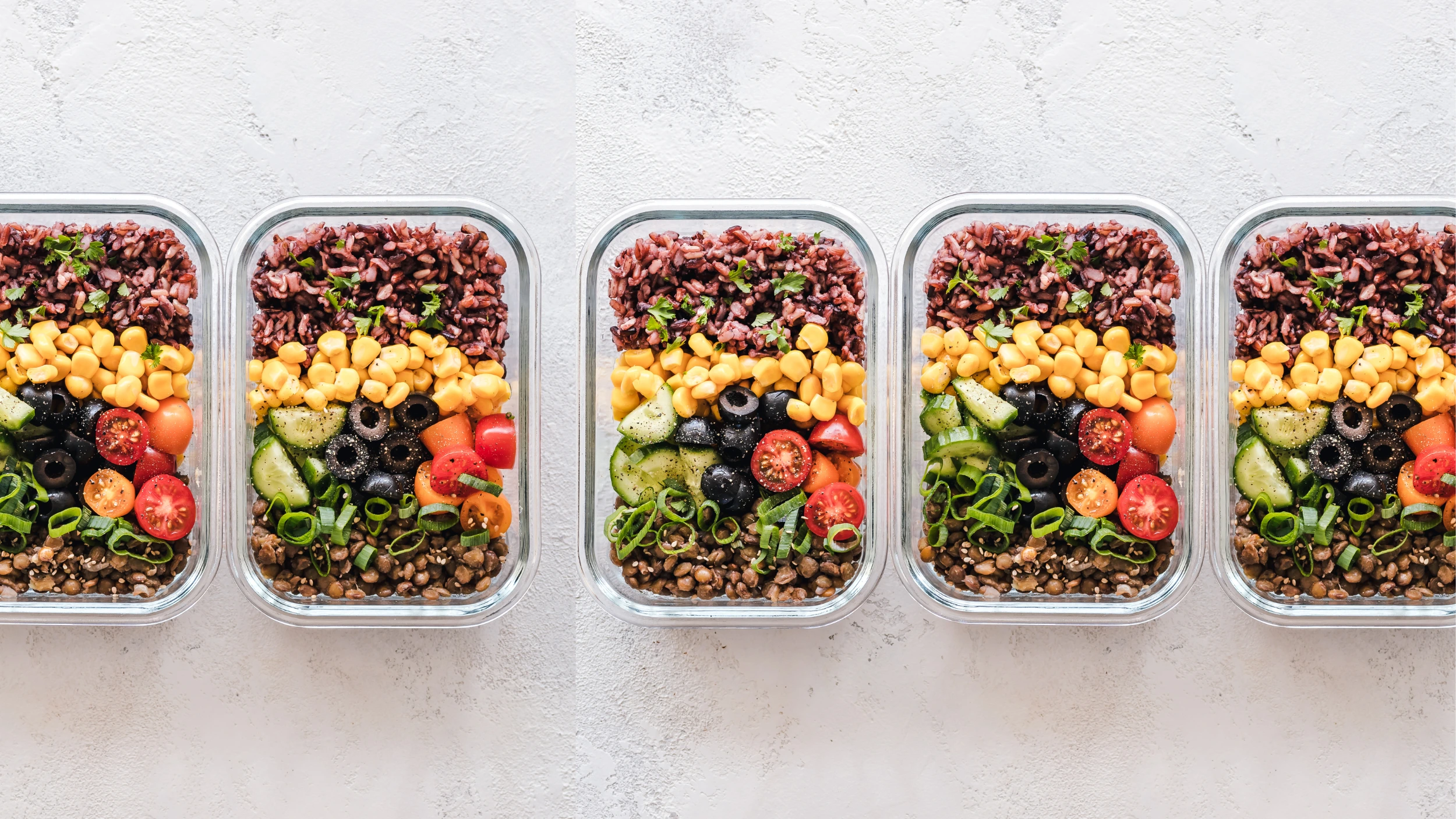
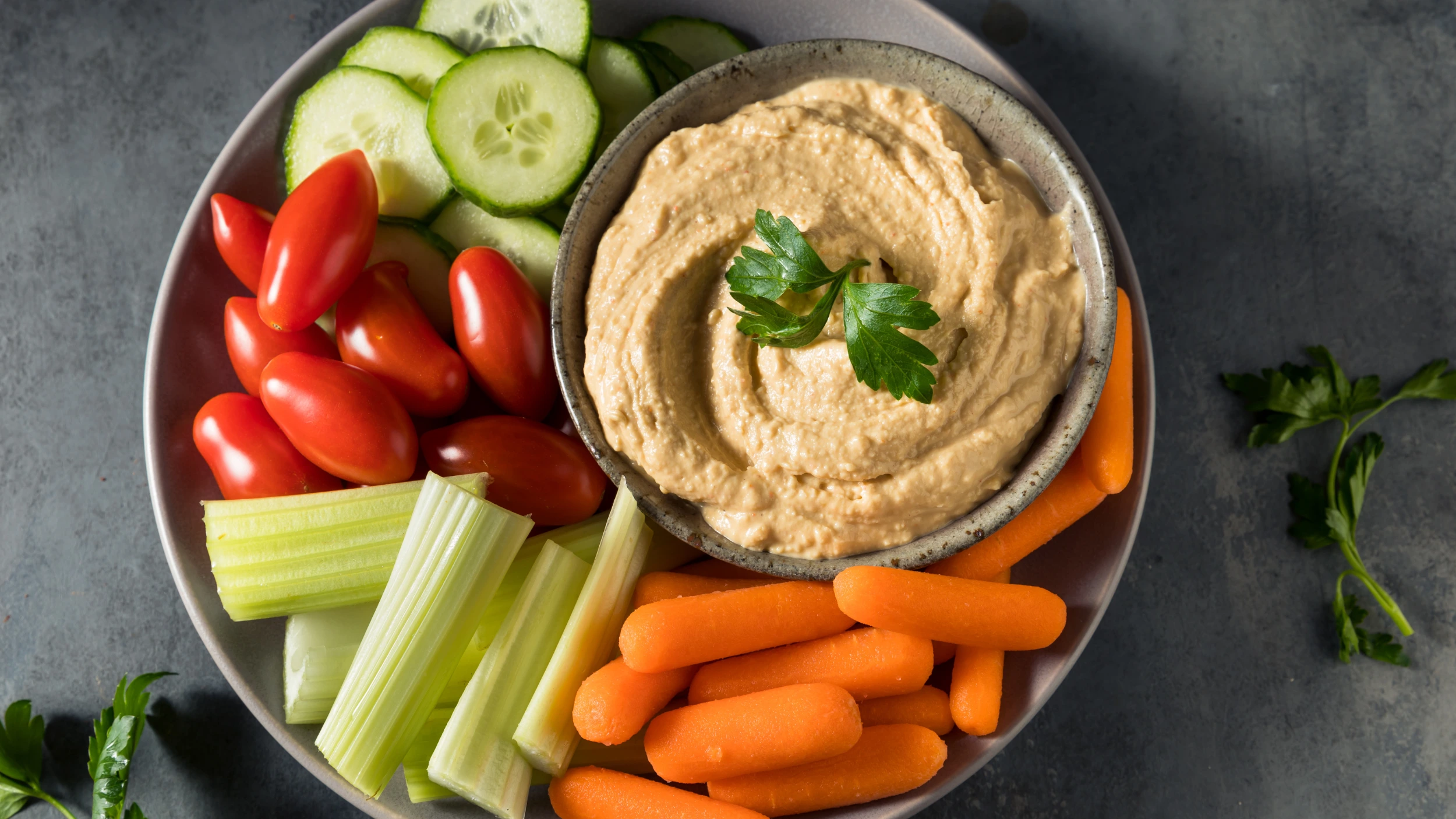
- Assembled meals over cooked meals: Think snack plates, rotisserie chicken with pre-cut veggies, cheese and crackers, or smoothies. If cooking feels like a barrier, eliminate it.
- Visible food = eaten food: Keep ready-to-eat options at eye level in clear containers. Out of sight genuinely means out of mind with ADHD.
- Protein-forward snacks: Keep these accessible everywhere—Greek yogurt, hard-boiled eggs, string cheese, nuts, protein shakes. Protein stabilizes blood sugar and provides sustained energy, unlike quick carbs alone.
Time-Based Eating (Not Hunger-Based)
This might feel counterintuitive, but for many women with ADHD, eating by the clock works better than waiting for hunger cues that may never come. Try eating something small every 2-3 hours, whether you feel hungry or not. Think of it like charging your phone before it dies—preventive maintenance.
This approach helps regulate blood sugar, prevents the evening binge cycle, and actually helps recalibrate your hunger signals over time. You're training your body that food will come consistently, which can gradually restore more reliable hunger and fullness cues.
Medication Timing Strategies
If you take stimulant medication, strategic timing can make a huge difference:
- Eat a substantial breakfast before your medication kicks in: This is often your best window for appetite.
- Plan for the "medication wearing off" window: Many women find their appetite returns 8-10 hours after taking their medication. Have dinner components prepped for this time.
- Discuss extended-release versus immediate-release options with your prescriber: Some formulations have less appetite suppression.
For more context on how different health factors intersect with ADHD, understanding thyroid function and metabolism can provide additional insight, especially if you're experiencing unexplained fatigue alongside appetite changes.
Lower the Activation Energy
In physics, activation energy is the minimum energy needed to start a reaction. With ADHD, every task has an invisible activation energy cost—and when you're already depleted from not eating, that cost skyrockets.
Reduce the activation energy for eating by:
- Pre-portioning snacks on Sunday: Grab-and-go bags remove multiple decision points.
- Keeping shelf-stable protein options at your desk: Nut butter packets, protein bars, dried fruit and nuts.
- Giving yourself full permission to eat "imperfectly": A protein bar while working isn't ideal, but it's infinitely better than nothing. Release the all-or-nothing thinking around meals.
- Using delivery services strategically: If executive dysfunction is high, having healthy meals delivered isn't lazy—it's adaptive.
You might also benefit from exploring how blood sugar regulation affects energy and mood, particularly if you notice afternoon crashes or irritability coinciding with missed meals.
FAQ: Quick Answers About ADHD and Eating
Why do I have no appetite with ADHD, even when I know I should eat?
Hyperfocus and differences in brain chemistry can override your body's hunger signals. Your brain is prioritizing the stimulating task at hand over recognizing the need for fuel. Additionally, reduced interoceptive awareness means the internal "I'm hungry" message simply doesn't reach your conscious awareness with normal intensity.
Can ADHD medication cause a loss of appetite?
Yes, stimulant medications (like Adderall, Vyvanse, Ritalin, and Concerta) are well-known appetite suppressants [4]. This side effect is extremely common and can be pronounced, especially in the first few hours after taking medication. It's crucial to work with your dietitian and prescriber to strategize meal timing around your medication schedule to ensure you're getting enough nutrition. Some people find success with eating a substantial breakfast before medication, prioritizing calorie-dense foods, or timing meals for when medication effects wear off.
How can I eat consistently when I don't feel hungry?
Focus on gentle structure and external cues rather than waiting for hunger. Try setting simple phone alarms labeled with specific eating prompts, eating a small snack every 2-3 hours by the clock, or "habit stacking"—like having breakfast right after you brush your teeth or eating lunch immediately after a standing meeting. Visual cues (like keeping food visible on your desk) and social accountability (eating with others) also help tremendously.
Is the connection between ADHD and binge eating common?
Yes, research shows higher rates of binge eating behaviors among people with ADHD [5]. This often stems from the restrict-binge cycle: forgetting to eat all day leads to primal hunger and reactive overeating at night. It's also connected to dopamine-seeking behavior and impulsivity. Working with an ADHD-informed dietitian can help you establish consistent eating patterns that reduce this cycle without restriction or shame.
Does ADHD affect hunger signals permanently?
Not necessarily. While ADHD does impact interoceptive awareness, many women find that with consistent external structure and eating patterns, their hunger and fullness cues gradually become more recognizable over time. Think of it like recalibrating a sensor—it takes time and consistency, but improvement is absolutely possible. However, you'll likely always benefit from external reminder systems during high-focus periods.
Moving Forward With Compassion
Learning to nourish yourself with ADHD isn't about fixing something broken—it's about building systems that honor how your brain actually works. The goal isn't perfection; it's consistency and self-compassion.
You might still have days where you look up at 5 PM and realize you've only had coffee. That's okay. What matters is having strategies in place that help you course-correct without shame, and gradually building patterns that support your energy, mood, and overall health.
Remember: your ADHD brain isn't defective. It's creative, capable of intense focus, and brings genuine strengths to your life. You just need eating strategies that match your neurotype, not generic advice designed for neurotypical brains.
Feeling overwhelmed trying to manage this alone? Let's create a personalized plan that works with your ADHD brain, not against it. Our dietitians specialize in supporting women with ADHD and understand the unique challenges you face. Book a consultation today and finally break free from the forget-to-eat, binge-at-night cycle.
References
[1] Barkley RA. Executive Functions: What They Are, How They Work, and Why They Evolved. Guilford Press, 2012.
[2] Ptacek R, et al. Clinical Implications of the Perception of Time in Attention Deficit Hyperactivity Disorder (ADHD): A Review. Medical Science Monitor, 2019.
[3] Mahone EM, et al. Interoceptive Awareness in Children with ADHD. Journal of Attention Disorders, 2020.
[4] Faraone SV, et al. Appetite Effects of Stimulant Medications in Youth with ADHD. CNS Drugs, 2018.
[5] Nazar BP, et al. The Association Between ADHD and Eating Disorders: A Systematic Review. Frontiers in Psychiatry, 2016.
[6] Spreckley E, et al. Ghrelin and Leptin Signaling in Appetite Regulation. Nutrients, 2015.
.svg)
.svg)