.webp)

%2B(7).webp)
.png)
At a Glance
ADHD medications like Adderall and Vyvanse commonly suppress appetite by altering dopamine and norepinephrine levels in your brain. This isn't a willpower issue—it's a biological side effect that requires strategic nutrition planning. This guide provides evidence-based, practical solutions including liquid nutrition, calorie-dense snacks, and timing strategies to help you maintain proper nourishment even when hunger signals disappear.
Introduction: You're Not Alone in This Struggle
It feels like an impossible cycle: your ADHD medication helps you focus, but completely zaps your desire to eat. You know you need to fuel your body, but nothing sounds good and the thought of preparing a meal is overwhelming. We hear you, and honestly? You're describing one of the most common—and frustrating—side effects that nearly 80% of people on stimulant medications experience[1].
This guide is designed to give you practical, dietitian-approved strategies to nourish your brain and body, even when your appetite is gone. We're not going to tell you to "just eat more" or "listen to your body"—because that advice falls flat when your medication has literally silenced your hunger cues. Instead, we're going to work with your medication, not against it.
Understanding the 'Why': How Stimulants Impact Your Hunger Cues
First, let's get to the root of it. It's not just in your head, and you're not being dramatic. The appetite suppression you're experiencing is a direct pharmacological effect of how stimulant medications interact with your brain chemistry.
ADHD medications like Adderall (amphetamine) and Vyvanse (lisdexamfetamine) work by increasing the availability of dopamine and norepinephrine in your brain[2]. While this helps with focus and executive function, these same neurotransmitters also regulate your hypothalamus—the brain region responsible for hunger and satiety signals[3].
When dopamine levels are elevated, your brain essentially receives a "you're not hungry" message, even when your body genuinely needs fuel. Additionally, stimulants can slow gastric emptying, making you feel fuller longer and sometimes causing mild nausea or discomfort when you do try to eat[4].
Understanding this process is the first step to compassionately working with your body. This isn't a character flaw or lack of self-care—it's a predictable physiological response that we can strategically navigate.
Your No-Appetite Toolkit: Nutrient-Dense Foods That Don't Feel Like a Chore
When food is the last thing on your mind, you need easy, high-impact options. This isn't about forcing big meals; it's about strategic nutrition. We'll focus on high calorie, low volume foods and simple meal ideas that are easy to prepare and consume. The goal is getting maximum nutrition in minimal bites.
Liquid Nutrition is Your Best Friend
When chewing feels like a chore, drinking your calories becomes a game-changer. Liquids bypass some of that medication-induced fullness and require almost zero executive function to consume. If you struggle with meal planning and preparation due to ADHD, liquid nutrition can be your safety net.
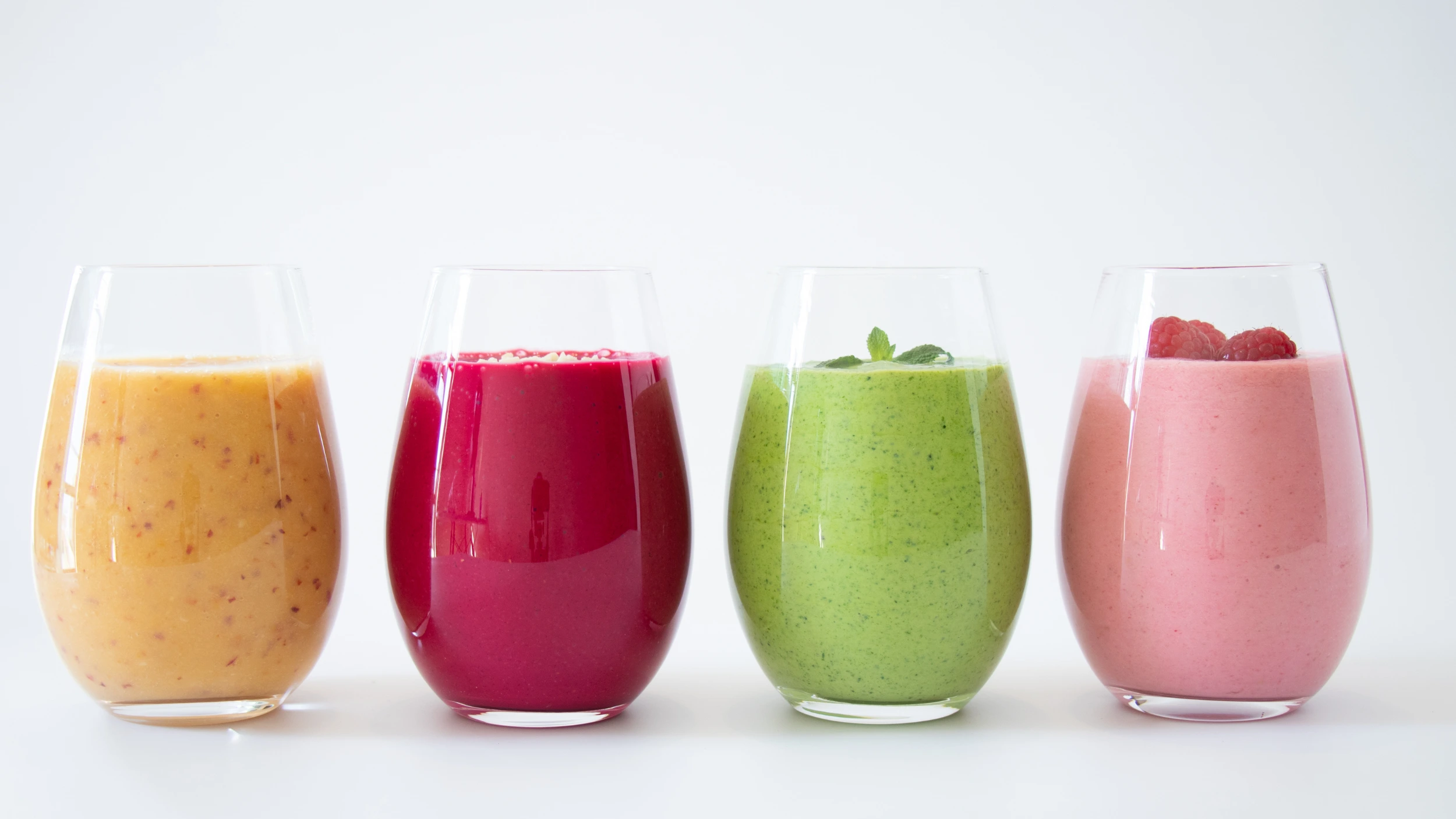
- Protein smoothies: Blend full-fat milk or oat milk with a scoop of protein powder, 2 tablespoons nut butter, half an avocado, and a handful of spinach. This single drink can deliver 400-500 calories and 25-30g protein.
- Full-fat Greek yogurt drinks and kefir: These provide probiotics, protein, and healthy fats in an easy-to-consume format. Choose whole milk varieties for maximum calorie density.
- Bone broth or creamy soups: Warm liquids can be soothing and easier to tolerate than solid food. Add a swirl of heavy cream or coconut milk to boost calories without adding volume.
- Nutritional supplement drinks: While whole foods are ideal, products like Ensure Plus or Orgain can serve as backup when nothing else appeals.
Embrace Effortless, Calorie-Dense Snacks
Forget the "three balanced meals" paradigm. When you're dealing with stimulant-induced appetite suppression, grazing on small, frequent, calorie-dense snacks throughout the day is often more realistic and effective.
- Nuts, seeds, and trail mixes: A quarter cup of mixed nuts provides around 200 calories and healthy fats. Keep single-serve packets in your bag, car, and desk.
- Cheese sticks and whole-milk cottage cheese: Portable, protein-rich, and require zero preparation. Pair with a few crackers if you can manage it.
- Avocado on a single cracker: Half an avocado mashed on one or two sturdy crackers gives you healthy fats and fiber without overwhelming your stomach.
- Nut butter straight from the jar: Sometimes a spoonful of almond or peanut butter is all you can manage, and that's perfectly okay. Two tablespoons pack about 200 calories.
- Hard-boiled eggs: Prep a batch on Sunday. Each egg is about 70 calories with 6g protein—easy to grab and eat in three bites.
- Dark chocolate with nut butter: This combo satisfies any lingering sweet tooth while delivering fats and a small protein boost.
Strategic Meal Ideas When You Must Eat Something Solid
There will be times when you need actual food on your plate, especially if you're eating with family or need more substantial nutrition. These easy meals for ADHD require minimal steps and maximum nutritional payoff.
- Scrambled eggs with cheese: Two eggs scrambled with shredded cheese and cooked in butter takes five minutes and provides 20g protein plus healthy fats.
- Rotisserie chicken with pre-washed salad: Buy the chicken already cooked. Tear off some meat, dump it on bagged greens, drizzle with olive oil and salt. Done.
- Frozen meal upgrade: Take a frozen meal and add a handful of frozen vegetables, a drizzle of olive oil, and some shredded cheese to boost nutrition.
- Pasta with butter and parmesan: Sometimes simple carbs are all you can tolerate. Make it more nutritionally complete by stirring in frozen peas and a pat of butter.
- Rice bowl with canned beans and salsa: Microwave rice, dump on canned black beans (rinsed), top with salsa and shredded cheese. High fiber, protein, and takes three minutes.
Beyond the Plate: Strategic Habits to Reclaim Mealtimes
Managing ADHD medication appetite loss goes beyond just what you eat. It's about how and when. Let's build a supportive routine that makes eating feel less like a battle and more like an automatic part of your day. These strategies address the executive function challenges that often accompany ADHD, which you can learn more about in our guide on managing ADHD and nutrition.
Eat Before Your First Dose
This is hands-down the most important strategy. Most stimulant medications take 30-60 minutes to reach peak blood levels[5], which means you have a window of natural appetite before the medication kicks in.
Set your alarm 30 minutes earlier if needed. Prepare your breakfast the night before—overnight oats, a breakfast sandwich wrapped in foil, or even just a protein bar and banana. Eat before you take your pill, even if it's just a few bites. This single habit can dramatically improve your overall daily intake.
Set 'Snack Alarms' Throughout the Day
Don't wait for hunger signals that may never arrive. Your body still needs fuel every 3-4 hours, regardless of whether your brain is sending hunger cues. Use your phone to remind you it's time for a small, nutrient-dense snack.
Set alarms for mid-morning, lunch, mid-afternoon, and evening. When the alarm goes off, eat something—even if it's just three bites of cheese or a handful of nuts. Consistency matters more than quantity here.
Prepare 'Grab-and-Go' Bites
Executive dysfunction and appetite suppression are a brutal combination. The solution? Eliminate as many decision points and preparation steps as possible. Pre-portion snacks on Sunday so you can eat something with minimal effort when a reminder goes off.
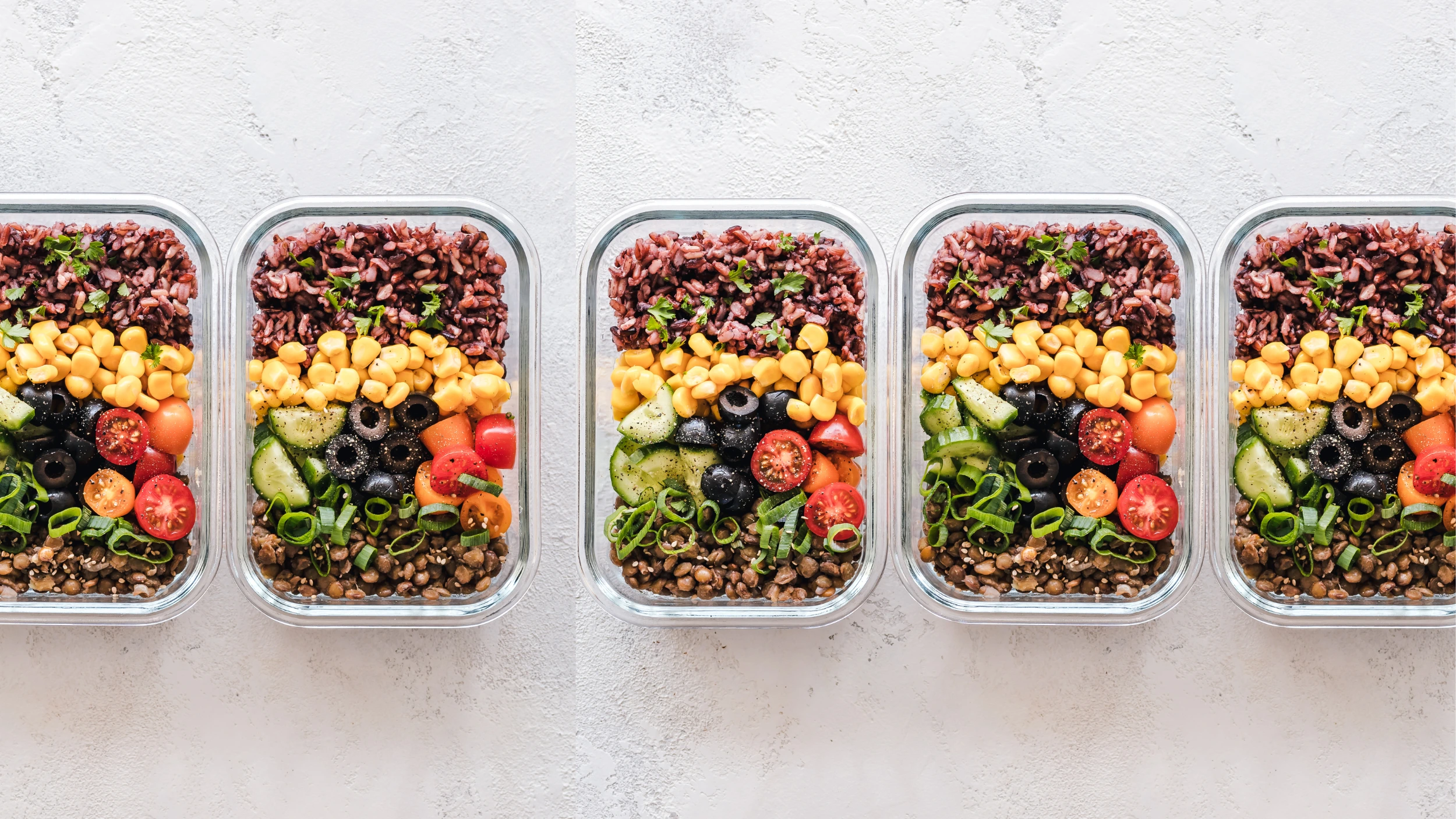
- Divide trail mix into small containers or bags
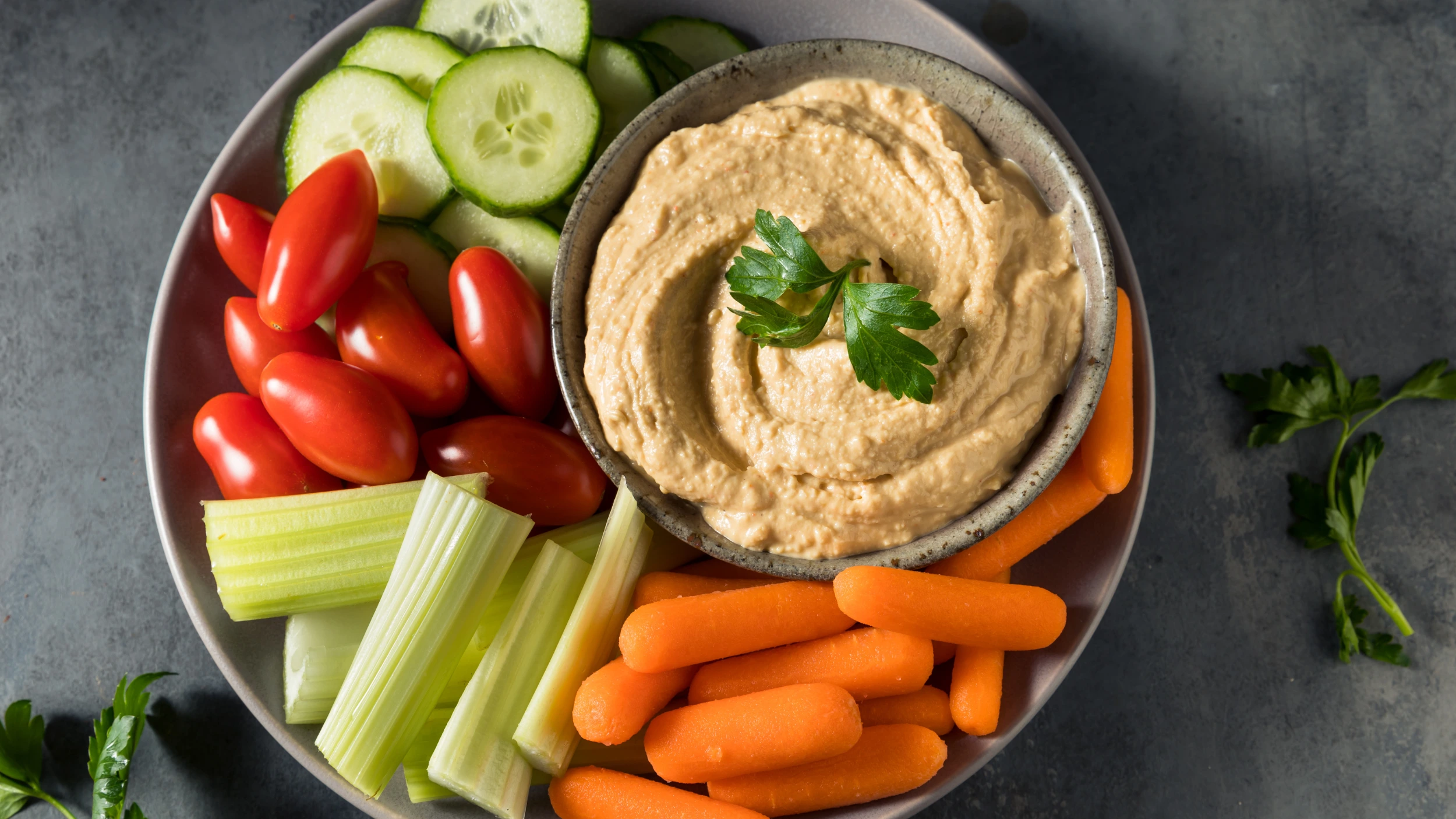
- Wash and cut vegetables, store with individual hummus cups
- Hard-boil a dozen eggs for the week
- Portion out cheese cubes into snack bags
- Pre-make smoothie freezer packs (everything but the liquid)
Time Your Meals Around Medication Peaks and Valleys
Most stimulant medications have a predictable curve of effectiveness. Extended-release formulations typically peak 4-7 hours after dosing and wear off after 10-12 hours[6]. Plan your larger meals or snacks during the valleys—early morning before your dose, and evening after it wears off.
If you take a second dose in the afternoon, you might find that late evening (8-10pm) becomes your most hunger-receptive window. There's absolutely nothing wrong with eating a substantial meal at 9pm if that's when your body is finally willing to accept food.
Stay Hydrated—It Actually Matters
Dehydration can worsen the nausea and appetite suppression caused by stimulants. Aim for at least 8 glasses of water daily, but consider adding electrolytes if you're struggling to eat adequately. Sometimes what feels like zero appetite is actually dehydration masquerading as fullness.
FAQ: Your Quick Questions Answered
How long does appetite loss from ADHD medication typically last?
Appetite suppression usually begins within 1-2 hours of taking your medication and lasts as long as the medication is active in your system—typically 4-6 hours for immediate-release formulations and 10-12 hours for extended-release versions[7]. Most people find their appetite returns in the evening. However, some individuals experience persistent appetite changes even after medication wears off. If you're losing weight unintentionally or struggling to maintain adequate nutrition after 4-6 weeks, talk to your prescriber about dosage adjustments or alternative medications.
Is it better to take ADHD medication with or without food?
This depends on the specific medication. Most stimulants can be taken with or without food, though some people experience less nausea when taking medication with a small meal. However, high-fat meals can delay absorption of some formulations. Vitamin C and citric acid can decrease absorption of amphetamine-based medications, so avoid taking your medication with orange juice or vitamin C supplements[8]. Always follow your prescriber's specific instructions for your medication.
What are some quick, high-protein snacks for when I have zero appetite?
Protein is essential for neurotransmitter production and blood sugar stability, making it especially important when taking ADHD medication. Quick options include:
- String cheese (6-8g protein)
- Greek yogurt (15-20g protein per cup)
- Protein shake or smoothie (20-30g depending on recipe)
- Hard-boiled eggs (6g protein each)
- Deli meat roll-ups (10-15g protein)
- Protein bars (look for 15-20g protein and minimal added sugar)
- Nut butter on crackers (7-8g protein per 2 tablespoons)
It's Time to Stop Struggling. Let's Create a Plan Together.
Feeling overwhelmed trying to manage your nutrition on your own? You don't have to white-knuckle your way through this. The strategies in this guide are a solid starting point, but sometimes you need personalized support that accounts for your unique medication regimen, food preferences, sensory sensitivities, schedule, and health goals.
A registered dietitian who specializes in ADHD nutrition can help you create a meal plan that works with your medication and your lifestyle—not some idealized version of what eating "should" look like. We can troubleshoot your specific barriers, whether that's sensory issues with textures, executive function challenges with meal prep, or concerns about nutritional deficiencies.
You deserve to feel nourished, energized, and supported. [Book a free discovery call today]( to learn how we can help you feel your best.
References
[1] Biederman J, et al. A Randomized, Placebo-Controlled Trial of OROS Methylphenidate in Adults with Attention-Deficit/Hyperactivity Disorder. Biological Psychiatry, 2006.
[2] Volkow ND, et al. Motivation deficit in ADHD is associated with dysfunction of the dopamine reward pathway. Molecular Psychiatry, 2011.
[3] Timper K, Brüning JC. Hypothalamic circuits regulating appetite and energy homeostasis: pathways to obesity. Disease Models & Mechanisms, 2017.
[4] Ermer JC, et al. Pharmacokinetic variability of long-acting stimulants in the treatment of children and adults with attention-deficit hyperactivity disorder. CNS Drugs, 2016.
[5] Faraone SV. The pharmacology of amphetamine and methylphenidate: Relevance to the neurobiology of attention-deficit/hyperactivity disorder and other psychiatric comorbidities. Neuroscience & Biobehavioral Reviews, 2018.
[6] Childress AC, Sallee FR. Attention-deficit/hyperactivity disorder with inadequate response to stimulants: approaches to management. CNS Drugs, 2014.
[7] Cortese S, et al. Comparative efficacy and tolerability of medications for attention-deficit hyperactivity disorder in children, adolescents, and adults: a systematic review and network meta-analysis. The Lancet Psychiatry, 2018.
[8] Markowitz JS, et al. Effect of St John's wort on drug metabolism by induction of cytochrome P450 3A4 enzyme. JAMA, 2003.
.svg)
.svg)