.webp)
%2B(7).webp)
.png)
At a Glance
Food hyperfixation is an intense focus on eating the same food repeatedly, often linked to neurodivergence like ADHD or autism. While it can reduce decision fatigue and provide comfort, the cycle typically ends abruptly, sometimes leaving you feeling nutritionally depleted or distressed. This guide offers shame-free, evidence-based strategies to understand your patterns and gently expand variety when you're ready.
First, What Is Food Hyperfixation? (And Is It Actually a Problem?)
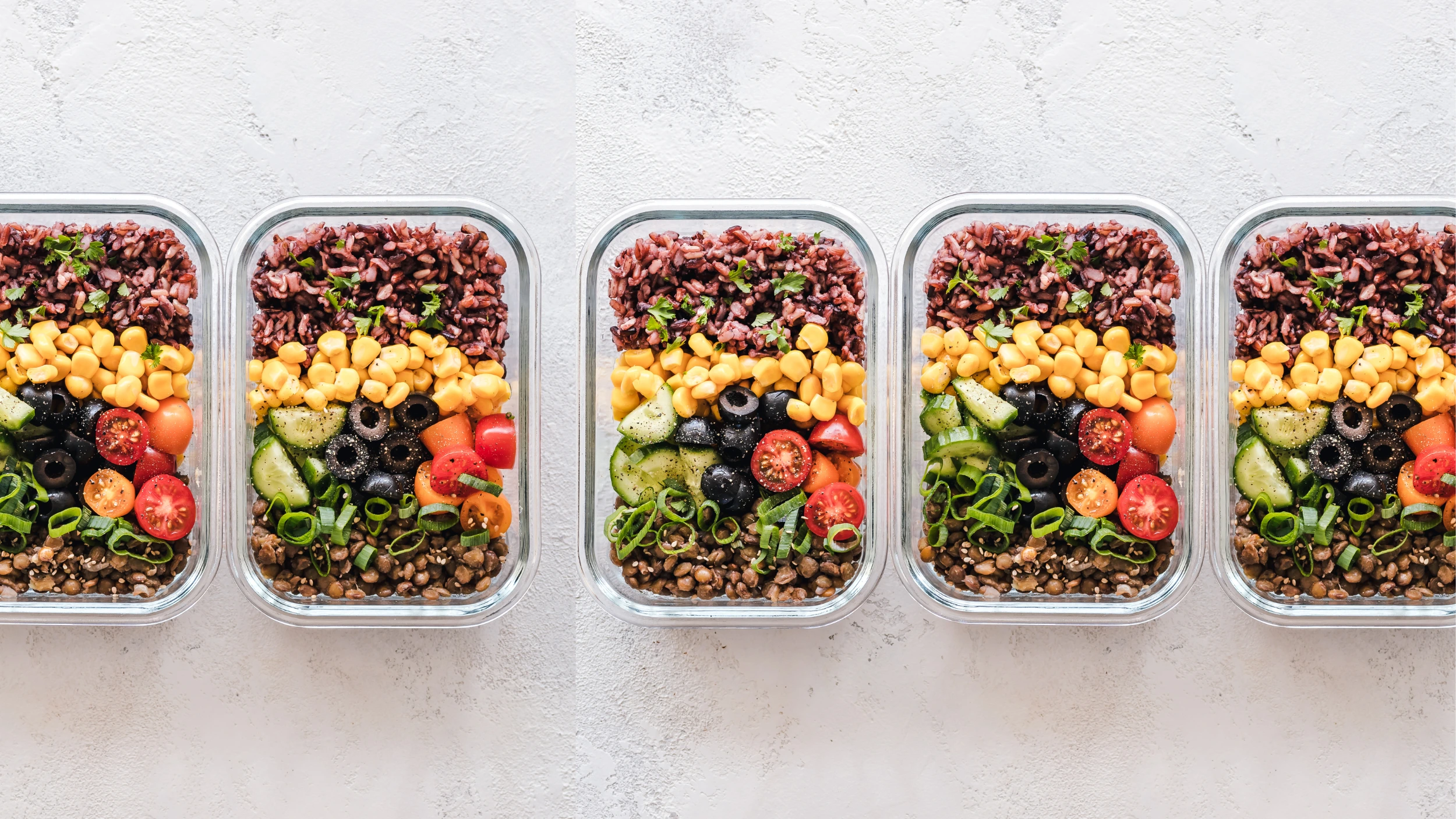
Let's get real: if you've been eating the same burrito bowl for 17 days straight and the thought of anything else makes you want to crawl under your desk, you're experiencing food hyperfixation. This isn't just being a "creature of habit" or having a favorite meal. Food hyperfixation is an intense, often all-consuming focus on a specific food or meal for an extended period—days, weeks, sometimes months.
Here's what makes it different from regular food preferences: the intensity is dialed up to eleven. That one food feels like the only safe, acceptable option. Everything else? Completely unappealing, sometimes even repulsive. Your brain has locked onto this specific sensory experience, and deviation feels genuinely distressing.
This pattern, sometimes called "same food syndrome," serves a real function. When executive function is maxed out (hello, Sunday scaries and decision fatigue), eating the same thing eliminates one more exhausting choice [1]. For many neurodivergent folks, this predictability is deeply soothing in a world that demands constant adaptation.
But here's where it gets tricky: the hyperfixation food cycle almost always ends. And when it does, it's often sudden and absolute. That burrito bowl you loved yesterday? Now the thought of it makes your stomach turn. You're left scrambling to find your next safe food, sometimes going hours without eating because nothing feels right.
So is it actually a problem? Not inherently. If your fixation food is reasonably balanced and you're not experiencing distress, there's no shame in riding the wave. The concern arises when:
- The fixation food lacks key nutrients, leading to deficiencies over time
- The sudden end of a cycle leaves you unable to eat adequately
- The pattern is causing significant anxiety or interfering with social situations
- You're experiencing physical symptoms like fatigue, digestive issues, or mood changes
The goal here isn't to force yourself into some Pinterest-perfect varied meal plan. It's to understand what's happening in your brain and body so you can make informed, gentle choices that support your wellbeing.
The Brain-Plate Connection: Why ADHD and Autism Can Trigger Food Fixation
Your brain isn't broken—it's just wired differently. And that wiring has everything to do with why you might find yourself in the hyperfixation food cycle.
For the ADHD brain, food hyperfixation often ties directly to dopamine regulation. ADHD involves lower baseline dopamine availability and reduced dopamine receptor sensitivity [2]. Your brain is constantly seeking reliable sources of that neurochemical reward, and certain foods deliver predictably. When you find a food that hits just right—the perfect combination of taste, texture, convenience, and satisfaction—your brain latches on. Why risk the disappointment of trying something new when this food is a guaranteed dopamine hit?
This connects to a broader ADHD trait: hyperfixation on anything that captures intense interest. Just like you might binge-watch an entire series in 48 hours or deep-dive into a new hobby until 3 AM, adhd food hyperfixation follows the same neurological pattern. The food becomes the current focus of that intense, narrowed attention.
For autistic individuals, autism food hyperfixation typically centers on sensory safety and predictability. The sensory profile of food—texture, temperature, color, smell, even the sound it makes when you chew—carries enormous weight [3]. When you're navigating a world full of unpredictable sensory input (fluorescent lights, background noise, scratchy fabrics), having complete control over the sensory experience of eating is profoundly regulating.
A hyperfixation food provides:
- Sensory consistency: You know exactly how it will feel in your mouth, every single time
- Reduced cognitive load: No need to evaluate whether a new food will trigger sensory overwhelm
- Emotional safety: In moments of stress or overstimulation, this food is a reliable anchor
- Routine preservation: Eating the same thing supports the broader need for predictable patterns
It's also worth noting that many people are both ADHD and autistic, which means these mechanisms can overlap and amplify each other. The dopamine-seeking of ADHD combined with the sensory safety of autism creates a particularly strong pull toward food fixation.
None of this is a character flaw. Your neurodivergent eating patterns are an adaptive response to the way your brain processes reward, novelty, and sensory information. Understanding this can shift the narrative from "What's wrong with me?" to "What does my brain need right now?"
Gentle Strategies for Breaking the Cycle Without Restriction
First, let me be crystal clear: you don't have to break the cycle if it's working for you. But if you're here because a fixation ended abruptly and you're struggling to eat, or you're worried about nutritional gaps, or you simply want more flexibility, these strategies are for you.
These aren't about willpower or forcing yourself to "eat normally." They're practical tools rooted in how neurodivergent brains actually work.
Food Chaining: Build Bridges, Not Walls
Food chaining is a therapeutic technique that creates gradual connections between a safe food and new options [4]. Instead of jumping from your fixation food to something completely different, you make tiny, almost imperceptible modifications.
Here's how it works in practice:
- Start with your current fixation food exactly as you like it
- Introduce one microscopic change (different brand of the same item, slightly different temperature, one additional ingredient on the side)
- Only move to the next step when the current modification feels completely safe
- Gradually shift toward foods with similar sensory profiles but different nutritional content
Example: If you're fixated on plain buttered pasta, you might add a small amount of parmesan (same color, slight texture change). Then mix in olive oil (similar fat content to butter, different flavor). Then add white beans (similar color, adds protein). Each step preserves enough familiarity while gently expanding options.
Create Your "Backup Meal" List
When a fixation ends suddenly, decision-making becomes impossible. Having a pre-made list of previous fixation foods or meals that felt safe in the past can be a lifeline. This isn't about variety for variety's sake—it's about having a menu of options that your brain has already approved.
Keep this list somewhere visible:
- In your phone notes with delivery/recipe links
- On your fridge with specific brands and preparations noted
- In a shared document if you have a partner or roommate who supports your eating
When the current fixation crashes, you're not starting from zero. You're choosing from a curated collection of foods that have worked before.
Hyperfixation Meal Ideas That Boost Nutrition
If you want to support your nutrition without abandoning the comfort of repetition, consider fixating on meals that are inherently more balanced. Some ideas:
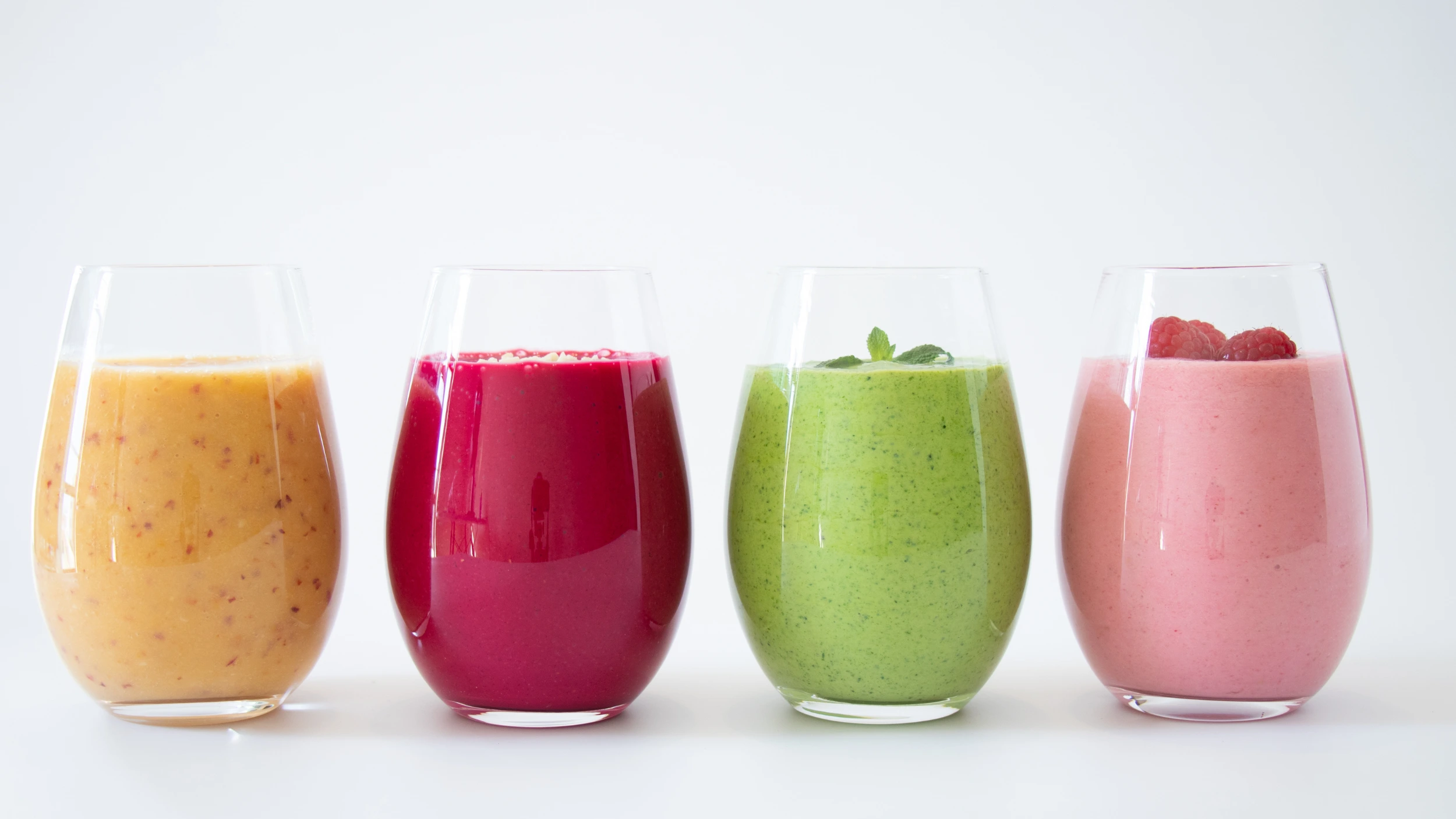
- Smoothie bowls: Blend your preferred fruit with protein powder and top with the same toppings daily (predictable sensory experience, complete nutrition)
- Sheet pan meals: Choose one protein, one starch, one vegetable, roast with the same seasoning every time (minimal decisions, balanced plate)
- Grain bowls: Pick a base grain, protein, and three toppings, keep the formula identical (customizable but structured)
- Egg-based meals: Scrambled eggs with cheese and toast, prepared identically each time (high protein, quick, sensory-friendly for many)
Supplement Strategically (Without Shame)
Listen, if you're in a fixation cycle with a food that's lacking in certain nutrients, there's zero shame in bridging the gap with supplements while you work on flexibility. A basic multivitamin, vitamin D, omega-3s, or a protein shake can provide insurance without forcing food changes you're not ready for.
This is harm reduction, not failure.
Environmental Setup for Success
Your environment can either support or sabotage gentle expansion:
- Keep a small variety of shelf-stable backup foods visible (not hidden in the back of the pantry where they'll be forgotten)
- Use smaller plates or bowls to make trying a new food feel less overwhelming
- Pair new food attempts with a comfort activity (favorite show, reassuring playlist) to reduce the stakes
- Remove pressure by explicitly telling yourself "I'm just trying one bite" rather than committing to a full meal
Honor Your Nervous System
Food flexibility is harder when you're dysregulated. If you're in a period of high stress, poor sleep, or sensory overload, this might not be the time to push for variety. Sometimes the most nutritionally sound choice is to eat your safe food and preserve your energy for other demands. Nervous system regulation directly impacts your capacity for food exploration.
FAQ: Your Food Hyperfixation Questions, Answered
Is food hyperfixation a sign of an eating disorder?
This is nuanced. Food hyperfixation itself is not classified as an eating disorder—it's a behavioral pattern often linked to neurodivergence. However, it can co-occur with or share features of disordered eating, particularly ARFID (Avoidant/Restrictive Food Intake Disorder), which is characterized by limited food variety often due to sensory sensitivities.
The distinguishing factor is typically the underlying motivation. If the fixation is driven by sensory needs, executive function challenges, or dopamine-seeking rather than body image concerns or fear of weight gain, it's more likely a neurodivergent eating pattern than a traditional eating disorder.
That said, if your eating pattern is causing significant distress, nutritional deficiencies, weight loss, or impairment in daily functioning, seeking evaluation from a healthcare provider familiar with both neurodivergence and eating disorders is important. These patterns can absolutely require professional support, regardless of the label.
How long does a food hyperfixation cycle usually last?
There's no standard timeline, which I know is frustrating if you're trying to predict when your current fixation might end. Some people cycle through fixations every few days. Others maintain the same food for months or even years.
Anecdotally, many neurodivergent folks report fixations lasting anywhere from two weeks to three months before the brain's novelty-seeking circuits disengage and start searching for a new stimulus. The end is often abrupt—one day the food is perfect, the next day it's completely unappealing.
Factors that might influence duration include:
- Overall stress levels (higher stress often extends fixations as the need for predictability increases)
- Nutritional completeness of the fixation food (your body might push for change sooner if needs aren't being met)
- External variety in other life areas (if everything else is chaotic, you might cling to food consistency longer)
- Sensory sensitivity levels (higher sensitivity often correlates with longer fixations)
The unpredictability is part of what makes this pattern challenging. Building skills to navigate the transitions is often more useful than trying to control the timeline.
Is it unhealthy to only eat my hyperfixation food?
It depends entirely on what the food is and how long the fixation lasts. If you're fixated on a reasonably balanced meal—like a chicken and rice bowl with vegetables—for a few weeks, you're probably fine. Your body is more resilient than diet culture would have you believe.
However, a long-term fixation (months) on a single food item, especially one that's not nutritionally complete, can lead to deficiencies. Common concerns include:
- Micronutrient gaps: Vitamins and minerals that aren't present in your fixation food
- Protein deficiency: If the fixation food is carb-focused without adequate protein
- Fiber insufficiency: Leading to digestive issues
- Healthy fat shortage: Important for hormone production and nutrient absorption
Physical signs that your fixation might be causing nutritional issues:
- Persistent fatigue that doesn't improve with sleep
- Hair thinning or brittle nails
- Mood changes, increased anxiety or depression
- Digestive irregularities
- Frequent illness or slower wound healing
If you're noticing these symptoms, it's worth getting bloodwork done to check for deficiencies and working with a neurodivergent-affirming dietitian to gently expand your options or supplement appropriately.
The goal isn't forced variety—it's ensuring your body has what it needs to function well, using whatever combination of food flexibility and supplementation works for your brain.
Your Next Step to Food Freedom
If you've made it this far, something here resonated. Maybe you're recognizing your own patterns for the first time, or maybe you've been struggling with the hyperfixation food cycle for years and finally feel seen.
Here's what I want you to know: understanding your neurodivergent eating patterns isn't about fixing something broken. It's about working with your brain instead of against it. Food hyperfixation can be both a helpful adaptation and a source of distress—sometimes simultaneously—and both of those truths can exist at once.
You deserve support that doesn't pathologize your neurodivergence or push restrictive, neurotypical eating standards. If you're ready to navigate this cycle with personalized, shame-free guidance, book a consultation with a dietitian who gets it. Someone who understands that "just eat a variety of foods" isn't helpful advice when your brain is wired differently.
Your relationship with food can be easier. Not perfect, not Instagram-worthy, but genuinely easier and more supportive of the life you want to live.
References
[1] Ptacek R, et al. Clinical Implications of the Perception of Time in Attention Deficit Hyperactivity Disorder (ADHD): A Review. Medical Science Monitor, 2019.
[2] Volkow ND, et al. Motivation deficit in ADHD is associated with dysfunction of the dopamine reward pathway. Molecular Psychiatry, 2011.
[3] Cermak SA, et al. Food Selectivity and Sensory Sensitivity in Children with Autism Spectrum Disorders. Journal of the American Dietetic Association, 2010.
[4] Sharp WG, et al. A Systematic Review and Meta-Analysis of Intensive Multidisciplinary Intervention for Pediatric Feeding Disorders: How Standard Is the Standard of Care?. The Journal of Pediatrics, 2014.
.svg)
.svg)