.webp)
%2B(7).webp)
.png)
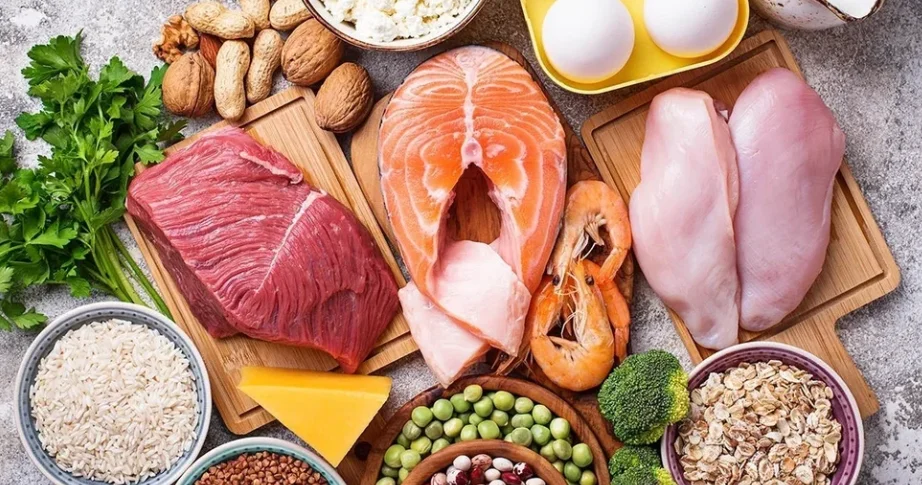
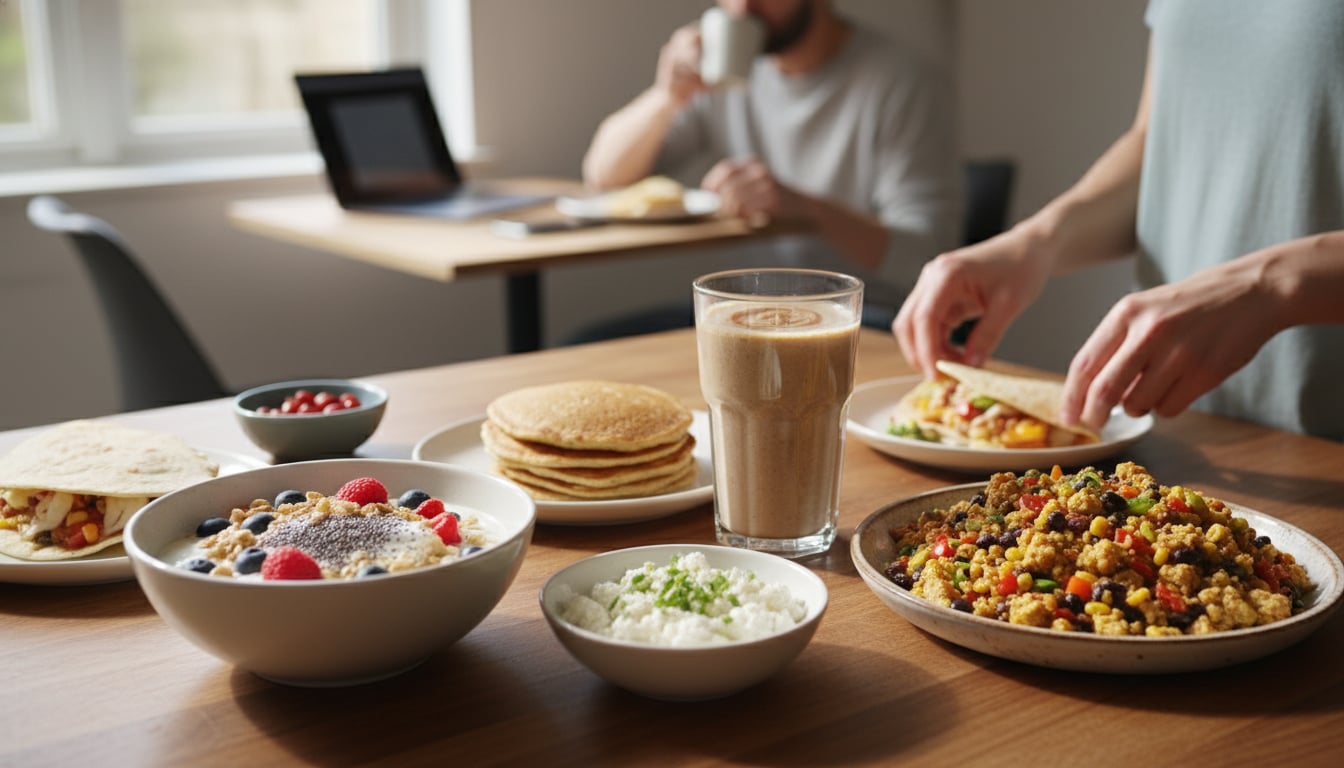
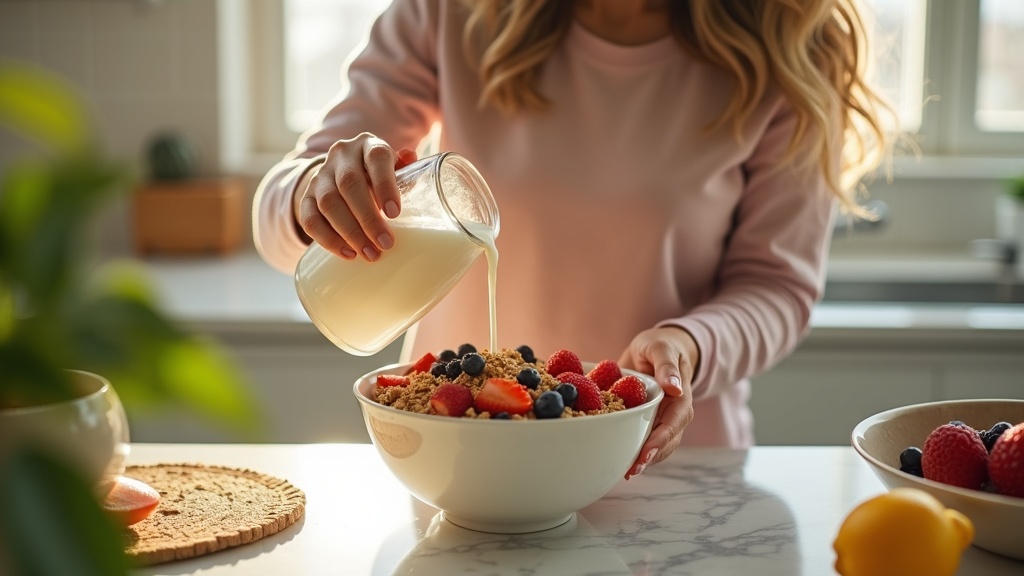
You don’t need eggs to hit 20 to 30 grams of protein at breakfast. Cottage cheese (27g per cup), Greek yogurt (20g per cup), tofu scrambles, protein smoothies, tempeh, quinoa bowls, and bean based options all match or beat the roughly 12 grams in two eggs. This guide covers 27 specific breakfasts with exact protein counts, shows you how to stack foods to hit 30g, and flags which options work best for PCOS, diabetes, and GLP 1 medication use.
Whether you have an egg allergy, you’re simply bored of scrambled eggs every morning, or you noticed grocery prices spike during the 2025 avian flu outbreak and started exploring alternatives, the good news is straightforward: plenty of foods deliver serious protein without a single egg.
Here’s a number worth remembering. Two eggs, the most common breakfast serving, provide about 12 grams of protein. A single cup of cottage cheese delivers 27 grams. A cup of Greek yogurt hits 20 grams. You don’t have to work hard to match or exceed what eggs offer.
Research supports aiming for 25 to 30 grams of protein at breakfast. A University of Missouri study found that eating more protein at breakfast lowered post meal glucose levels in people with type 2 diabetes. A 2025 study in the European Journal of Nutrition showed that both plant based and animal based meals containing 30 grams of protein triggered stronger satiety hormones compared to high carb, low protein meals. If you’re curious about why your body seems to keep craving food until it gets enough protein, the protein leverage hypothesis explains the mechanism.
If you’re working with specific health conditions and want a plan built around your labs and goals, Vedic’s registered dietitians can help. 95% of clients pay $0 out of pocket with insurance.
Every item below includes protein per serving, prep time, and practical notes on who it suits best.
At a Glance: All 27 Egg Free Protein Breakfasts Compared
BreakfastProteinPrep TimeBest ForVegan?Greek Yogurt Bowl~20g3 minQuick, no cook morningsNoYogurt Parfait~24g5 minLayered crunch and varietyNoCottage Cheese Bowl~27g3 minHighest protein per calorieNoBlended Cottage Cheese Smoothie Bowl~30g+5 minTexture sensitive eatersNoRicotta Toast~18g5 minCreamy, mild alternative to cottage cheeseNoTofu Scramble~15g10 minDirect egg replacementYesTofu Breakfast Bowl~22g12 minHearty vegan grain bowlYesChickpea Flour Omelet~20g10 minEgg free omelet experienceYesTempeh Avocado Toast~22g10 minFermented soy, savory crunchYesTurkey Breakfast Sausage + Greens~25g12 minSavory, hot breakfastNoBlack Bean & Avocado Toast~17g5 minPlant forward, Latin inspiredYesBreakfast Burrito (beans + cheese)~22g10 minBig appetites, meal prepAdaptableVegan Breakfast Burrito~20g12 minFully plant based wrapYesBean and Cheese Quesadilla~21g8 minCrispy, kid friendlyAdaptableSmoked Salmon Toast~20g5 minOmega 3 boostNoLox Bagel with Cream Cheese~24g5 minClassic deli styleNoProtein Overnight Oats~25g5 min (night before)Weekly meal prepAdaptableHigh Protein Oatmeal~20g5 minWarm, comforting optionAdaptableQuinoa Breakfast Bowl~18g15 min (or batch)Grain variety, gluten freeAdaptableProtein Smoothie~28g3 minGLP 1 users, rushed morningsAdaptablePB Banana Protein Shake~28g3 minTastes like dessertAdaptableChickpea Flour Pancakes~17g15 minGluten free, veganYesHigh Protein Waffles~22g15 minWeekend treat, batch friendlyAdaptableEdamame Vegetable Stir Fry~20g10 minSavory Asian inspiredYesHigh Protein Granola Bowl~20g3 minCrunchy, minimal effortAdaptableProtein Energy Balls~14g20 min (batch)Grab and goAdaptableChia Seed Pudding~19g5 min (night before)High fiber overnight prepAdaptable
The 27 Best High Protein Breakfasts Without Eggs
1. Greek Yogurt Breakfast Bowl
Best for: Quick, no cook mornings when you need real protein fast.
Protein: ~20g per cup (nonfat, plain) | Prep time: 3 minutes
A cup of plain nonfat Greek yogurt delivers roughly 20 grams of protein for about 130 calories. Top it with berries, a tablespoon of hemp seeds (adding 3g protein), and a drizzle of honey. Stick with plain varieties and add your own sweetness to dodge the 15+ grams of added sugar hiding in most flavored options.
Tradeoffs:
2. Yogurt Parfait
Best for: People who want more texture, crunch, and visual appeal than a plain yogurt bowl.
Protein: ~24g per serving | Prep time: 5 minutes
Layer a cup of Greek yogurt (20g) with high protein granola (3 to 4g per quarter cup) and fresh fruit in a glass or jar. The layering isn’t just aesthetic. It keeps the granola crunchy until you eat it, which is the main complaint people have when they dump everything into a single bowl. Practitioners on Reddit’s r/EatCheapAndHealthy often recommend making these in mason jars for weekday grab and go breakfasts.
Tradeoffs:
3. Cottage Cheese Bowl
Best for: Maximum protein per calorie of any single food on this list.
Protein: ~27g per cup (low fat, 2%) | Prep time: 3 minutes
Cottage cheese is quietly one of the best high protein breakfast foods without eggs. One cup packs about 27 grams of protein for roughly 180 calories, outperforming nearly every other single ingredient. Try it sweet (with peaches and cinnamon) or savory (with everything bagel seasoning and cherry tomatoes). Practitioners on Reddit’s r/1200isplenty frequently name cottage cheese as their top egg free protein hack, and it’s easy to see why.
Tradeoffs:
4. Blended Cottage Cheese Smoothie Bowl
Best for: People who want cottage cheese protein but can’t stand the curds.
Protein: ~30g+ per serving | Prep time: 5 minutes
Blend a cup of cottage cheese with frozen fruit until smooth and you get a thick, creamy bowl that tastes closer to soft serve than health food. The blending completely eliminates the curd texture that puts so many people off. Add a tablespoon of nut butter or a scoop of protein powder to push past 30 grams easily.
Tradeoffs:
5. Ricotta Toast
Best for: People who find cottage cheese too salty or lumpy but want a creamy, high protein toast topping.
Protein: ~18g per serving (half cup ricotta on whole grain toast) | Prep time: 5 minutes
Spread half a cup of part skim ricotta (14g protein) on a thick slice of whole grain toast (4g), then top with sliced figs, a drizzle of honey, and a pinch of flaky salt. The result is mild, creamy, and slightly sweet. Ricotta is gentler in flavor than cottage cheese, making it a better fit for people who want dairy protein without strong tang or curds. You can also go savory with roasted tomatoes, basil, and a crack of black pepper.
Tradeoffs:
6. Tofu Scramble
Best for: Vegans who want a savory, hot egg replacement.
Protein: ~15g per half block (150g) of firm tofu | Prep time: 10 minutes
Crumble firm tofu into a hot pan with turmeric for color, nutritional yeast for umami, and whatever vegetables you like. The result looks and feels remarkably like scrambled eggs. A half block provides about 15 grams of protein, and adding black beans or a side of sausage easily brings the total past 25.
Tradeoffs:
7. Tofu Breakfast Bowl
Best for: A hearty, one bowl vegan breakfast with variety and volume.
Protein: ~22g per serving | Prep time: 12 minutes
This goes beyond a basic scramble. Combine cubed, pan seared firm tofu (15g) with cooked quinoa or brown rice (4g per half cup), sautéed kale, avocado, and a drizzle of tahini (3g per tablespoon). The combination of grain, legume derived tofu, and seeds creates a complete amino acid profile without any animal products. Season with soy sauce, garlic, and sesame seeds.
Tradeoffs:
8. Chickpea Flour Omelet
Best for: Vegans who miss the omelet experience and want a savory, foldable breakfast.
Protein: ~20g per omelet | Prep time: 10 minutes
Whisk three quarters of a cup of chickpea flour (besan) with water, a pinch of turmeric, black salt (kala namak for an eggy sulfur flavor), and salt. Pour into an oiled nonstick pan and cook like a thin omelet. Fill with sautéed spinach, mushrooms, and nutritional yeast. One omelet made this way delivers about 20 grams of protein. The black salt trick is widely recommended on vegan cooking forums for mimicking egg flavor convincingly.
Tradeoffs:
9. Tempeh Avocado Toast
Best for: Fermented soy fans who want a savory, crunchy, high protein toast.
Protein: ~22g per serving | Prep time: 10 minutes
Slice tempeh thin and pan fry until golden and crispy (about 5 minutes per side). Layer on whole grain toast with mashed avocado, a squeeze of lime, and red pepper flakes. A 3 ounce serving of tempeh provides about 16 grams of protein, plus the toast adds another 4 to 6g. Tempeh’s fermentation process makes it easier to digest than unfermented soy and supports gut health through beneficial bacteria.
Tradeoffs:
10. Turkey Breakfast Sausage with Greens
Best for: Meat eaters who want a hot, savory, genuinely filling plate.
Protein: ~25g per serving (3 to 4 links plus sautéed greens) | Prep time: 12 minutes
If you’re tired of the yogurt and smoothie suggestions that dominate most lists of protein breakfasts without eggs, this is your answer. Chicken or turkey breakfast sausage delivers 13 to 17 grams per serving on its own. Add sautéed spinach and a slice of whole grain toast, and you clear 25 grams without any eggs involved.
Tradeoffs:
11. Black Bean and Avocado Toast
Best for: Plant forward eaters and fans of Latin inspired flavors.
Protein: ~17g per serving | Prep time: 5 minutes
Mash half a cup of seasoned black beans onto whole grain toast, top with sliced avocado, a squeeze of lime, and a sprinkle of cotija cheese. You get around 17 grams of protein plus fiber from both the beans and the bread. This is a natural crossover from Mexican and Latin American cuisine, where beans at breakfast are standard rather than trendy. Molletes (open faced bean and cheese toasts) and enfrijoladas are traditional protein rich morning staples worth exploring.
Tradeoffs:
12. Breakfast Burrito with Beans and Cheese
Best for: Big appetites and family friendly weekend cooking.
Protein: ~22g per burrito | Prep time: 10 minutes
Practitioners on Reddit’s r/Cooking regularly recommend breakfast burritos with rice, beans, cheese, and sausage as a go to egg free protein breakfast. Fill a large flour tortilla with half a cup of black beans (7 to 8g), a quarter cup of shredded cheese (7g), rice, sautéed peppers, and salsa. Add turkey sausage for a version that clears 30 grams.
Tradeoffs:
13. Vegan Breakfast Burrito
Best for: Fully plant based eaters who want a handheld, filling morning meal.
Protein: ~20g per burrito | Prep time: 12 minutes
Fill a large whole wheat tortilla with crumbled tofu scramble (10g), black beans (7g), sautéed peppers and onions, avocado, and salsa. Skip the cheese entirely or use a plant based shred. The tofu and bean combination provides complete protein across all essential amino acids. These freeze just as well as their dairy counterparts, so batch prepping five on a Sunday sets up the whole workweek.
Tradeoffs:
14. Bean and Cheese Quesadilla
Best for: Quick, crispy, kid friendly breakfast that doubles as comfort food.
Protein: ~21g per quesadilla | Prep time: 8 minutes
Spread half a cup of refried or mashed pinto beans (7g) on a flour tortilla, top with a quarter cup of shredded Mexican blend cheese (7g), fold, and cook in a dry skillet until crispy and melted. Serve with salsa and a dollop of Greek yogurt instead of sour cream for an extra protein bump. This is one of those breakfasts that kids will actually eat without complaint, which matters on hectic mornings.
Tradeoffs:
15. Smoked Salmon Toast
Best for: Omega 3 fatty acids alongside your breakfast protein.
Protein: ~20g per serving (3 oz salmon plus cream cheese and toast) | Prep time: 5 minutes
Three ounces of smoked salmon provides about 16 grams of protein on its own. Layer it on whole grain toast with cream cheese, capers, and red onion, and you hit roughly 20 grams. The omega 3 content is a meaningful bonus that most other breakfast proteins simply can’t match.
Tradeoffs:
16. Lox Bagel with Cream Cheese
Best for: A satisfying, deli style breakfast with serious protein.
Protein: ~24g per serving | Prep time: 5 minutes
This is the smoked salmon toast’s bigger, bolder sibling. Toast a whole grain or everything bagel, spread two tablespoons of cream cheese (2g), layer on 3 ounces of lox (16g), and finish with tomato, red onion, and capers. The bagel itself adds 4 to 6g of protein depending on the brand. Some whole grain and protein enriched bagels push closer to 10g on their own, making this an easy path to 25g+ without any cooking.
Tradeoffs:
17. Protein Overnight Oats
Best for: Meal preppers who want breakfast ready the moment they wake up.
Protein: ~25g per serving | Prep time: 5 minutes the night before
Combine a third cup of high protein oats (~10g), half a cup of Greek yogurt (~10g), a tablespoon of chia seeds (~2g), and milk in a jar. Refrigerate overnight. By morning you have a cold, creamy, no cook meal with 25+ grams of protein. Users on r/1200isplenty regularly suggest stirring flavored whey protein into oatmeal, calling it the simplest way to turn a carb heavy breakfast into a protein rich one.
Tradeoffs:
18. High Protein Oatmeal
Best for: People who want a warm, comforting bowl ready in five minutes.
Protein: ~20g per serving | Prep time: 5 minutes
Start with protein enriched oats or regular oats cooked in milk instead of water. Stir in two tablespoons of peanut butter (7g) and top with hemp seeds (3g per tablespoon). This simple swap turns a typically carb dominant breakfast into a legitimately high protein meal without eggs.
Tradeoffs:
19. Quinoa Breakfast Bowl
Best for: People looking for a gluten free, whole grain alternative to oatmeal with more protein.
Protein: ~18g per serving | Prep time: 15 minutes (or use batch cooked quinoa in 3 minutes)
Cook quinoa in milk (dairy or soy) instead of water for extra creaminess and protein. One cup of cooked quinoa provides about 8g of protein, which is nearly double what oatmeal offers. Top with Greek yogurt (10g per half cup), sliced almonds, and berries. Quinoa is one of the few plant foods that contains all nine essential amino acids, making it particularly valuable for vegan breakfasts. Batch cook a big pot on Sunday and reheat portions throughout the week.
Tradeoffs:
20. Protein Smoothie
Best for: GLP 1 medication users, rushed mornings, and anyone dealing with nausea.
Protein: ~28g per serving | Prep time: 3 minutes
A scoop of whey or plant based protein powder, a cup of milk (dairy or soy for extra protein), a handful of frozen fruit, and a blender. That’s it. This is the fastest way to get 25 to 30 grams of protein into your morning, and it’s especially useful for people on GLP 1 medications like Wegovy or Zepbound. These medications slow gastric emptying and reduce appetite, making liquid protein easier to consume and digest than solid food when nausea is a factor.
Tradeoffs:
21. Peanut Butter Banana Protein Shake
Best for: Anyone who wants breakfast to taste like dessert.
Protein: ~28g per serving | Prep time: 3 minutes
Blend one scoop of chocolate or vanilla protein powder, a frozen banana, two tablespoons of peanut butter, and a cup of milk. This combination masks the flavor of protein powder better than almost anything else. The frozen banana creates a thick, milkshake like texture with natural sweetness, so no added sugar is needed.
Tradeoffs:
22. Chickpea Flour Pancakes
Best for: Vegan, gluten free eaters who want a hot, cooked breakfast.
Protein: ~17g per serving (2 medium pancakes) | Prep time: 15 minutes
Chickpea flour (also called besan or gram flour) contains roughly 21 grams of protein per cup, making it a far more protein rich base than all purpose flour. Mix with water, salt, and spices, then cook like a thin pancake or crepe. In Indian cuisine, these are called chilla or pudla, and they’ve been a traditional protein rich breakfast for generations.
Tradeoffs:
23. High Protein Waffles
Best for: Weekend brunch lovers who want a treat that actually delivers protein.
Protein: ~22g per serving (2 waffles) | Prep time: 15 minutes
Mix protein powder (one scoop, ~20g) into your waffle batter, or use a base of blended cottage cheese, oats, and banana instead of traditional flour. Several YouTube creators in the fitness community have popularized “cottage cheese waffles” that blend one cup cottage cheese, half a cup oats, and vanilla extract, then cook in a waffle iron. The result is surprisingly fluffy and packs 22g+ of protein per two waffle serving.
Tradeoffs:
24. Edamame Vegetable Stir Fry
Best for: Savory, Asian inspired breakfast eaters who want vegetables front and center.
Protein: ~20g per serving | Prep time: 10 minutes
Stir fry one cup of shelled edamame (17g protein) with bell peppers, snap peas, mushrooms, and garlic in sesame oil. Season with soy sauce and a splash of rice vinegar. Serve over a small portion of rice or eat on its own. This might sound unusual for breakfast in a Western context, but savory vegetable forward mornings are standard across East and Southeast Asia. One cup of edamame alone nearly matches two eggs, and the fiber from the vegetables adds lasting fullness.
Tradeoffs:
25. High Protein Granola Bowl
Best for: People who want crunch and minimal effort.
Protein: ~20g per serving | Prep time: 3 minutes
Pour a serving of high protein granola (look for brands with 10g+ per serving from added nuts, seeds, and protein crisps) over half a cup of Greek yogurt (10g) and top with fresh fruit. The key is choosing granola wisely. Most mainstream granola brands deliver 3 to 4g of protein per serving with 12g+ of sugar. Protein focused brands use whey crisps, pea protein clusters, or extra nuts to hit 10 to 12g per serving while keeping added sugar under 6g.
Tradeoffs:
26. Protein Energy Balls
Best for: Grab and go mornings when you need something you can eat on the move.
Protein: ~14g per serving (2 to 3 balls) | Prep time: 20 minutes for a weekly batch
Combine oats, protein powder, peanut butter, honey, and mini chocolate chips. Roll into balls and refrigerate. One batch makes 12 to 15 balls that last a full week. They’re not the highest protein option here, but they’re the most portable. The most upvoted advice on Reddit for egg free protein breakfasts centers on this idea: make protein a vehicle, adding it to things you already enjoy rather than building entirely new meals.
Tradeoffs:
27. Chia Seed Pudding
Best for: Overnight prep with a major fiber boost.
Protein: ~19g per serving (when made with soy milk plus yogurt) | Prep time: 5 minutes the night before
Mix three tablespoons of chia seeds (~5g protein, plus 10g fiber) with a cup of soy milk (~7g protein) and half a cup of Greek yogurt (~10g protein). Stir, refrigerate overnight, and top with fruit in the morning. The chia seeds absorb the liquid and form a thick, tapioca like pudding.
Tradeoffs:
How to Hit 30g of Protein at Breakfast Without Eggs
Most high protein breakfast foods won’t deliver 30 grams on their own. The real skill is stacking two or three protein sources in a single meal. This “stacking” approach is the most practical framework for building an egg free breakfast that genuinely keeps you full. Aim for 20 to 30 grams by combining 2 to 3 protein rich ingredients, and you’ll consistently hit the target without overthinking it.
Here are five specific combinations with exact math:
Greek yogurt, 1 cup (20g) + peanut butter, 2 tbsp (7g) + hemp seeds, 2 tbsp (7g) =
Black beans, ½ cup (7g) + whole grain toast, 2 slices (8g) + cotija cheese, ¼ cup (6g) + turkey sausage, 1 link (9g) =
Protein oats, ⅓ cup (10g) + Greek yogurt, ½ cup (10g) + chia seeds, 2 tbsp (4g) + soy milk, ½ cup (4g) =
Cottage cheese, 1 cup (27g) + hemp seeds, 2 tbsp (7g) =
Tempeh, 3 oz (16g) + quinoa, ½ cup cooked (4g) + edamame, ¼ cup (4g) + tahini drizzle, 1 tbsp (3g) =
You may have heard of the 30 30 30 rule: eat 30 grams of protein within 30 minutes of waking, then do 30 minutes of low intensity exercise. UCLA Health notes the rule itself hasn’t been studied as a complete package, but both habits (high protein breakfast and regular movement) have strong independent evidence behind them.
That said, most adults benefit from anywhere between 15 and 30 grams at breakfast. If you’re focused on building or preserving muscle during weight loss, aiming closer to 30g is worth the effort. The goal is simply to get meaningfully more protein than the typical American morning of cereal and toast, which usually lands around 5 to 8 grams.
Why Breakfast Protein Matters for Specific Conditions
Weight Loss and Metabolic Health
Protein is the most satiating macronutrient. It reduces persistent food thoughts (sometimes called “food noise”), and it has a higher thermic effect than carbs or fat, meaning your body uses more energy digesting it. For people focused on sustainable weight loss, starting the day with 20 to 30 grams of protein sets the tone for better appetite control through the afternoon and evening.
PCOS and Insulin Resistance
Women with PCOS often face elevated insulin levels and blood sugar instability. A high protein, lower carb breakfast helps stabilize morning glucose without the spike and crash cycle that worsens symptoms. Dr. Jolene Brighten, a hormone health specialist, recommends 30 grams of protein at breakfast for most active women as a baseline for blood sugar and hormonal support. If you’re managing PCOS, a detailed 7 day high protein PCOS meal plan can help you build consistency. For a more tailored approach, Vedic’s PCOS dietitians work with clients across Texas via telehealth and can personalize plans around your labs and insulin markers.
Type 2 Diabetes and Prediabetes
Researchers at the University of Missouri found that eating 25 to 30 grams of protein at breakfast reduced post meal glucose spikes in people with type 2 diabetes. Protein slows the absorption of carbohydrates eaten alongside it, creating a more gradual blood sugar rise. For anyone managing diabetes or prediabetes, prioritizing a high protein breakfast is one of the simplest dietary changes with outsized results. Our guide to breakfast meals for diabetics goes deeper on specific blood sugar friendly combinations.
GLP 1 Medication Users
If you’re on Wegovy, Zepbound, or another GLP 1 medication, getting enough protein is critical for preserving lean muscle mass during weight loss. The challenge is that these medications suppress appetite and can cause nausea, making large meals unappealing. Liquid and soft protein options (smoothies, blended cottage cheese, chia pudding) tend to be better tolerated than solid food. If you’re not seeing results on your GLP 1 medication, insufficient protein intake is one of the most common and overlooked culprits.
IBS and Digestive Concerns
Many options on this list are friendly for people with IBS. Firm tofu is low FODMAP. Greek yogurt is typically well tolerated because most lactose is removed during straining. Oats and chia seeds are generally safe in moderate portions. If digestive issues are one reason you’re looking for a high protein breakfast without eggs, start with the Greek yogurt bowl, tofu scramble, overnight oats, and chia seed pudding from this list and expand from there. For sweetener guidance that won’t trigger symptoms, the low FODMAP sweetener guide is worth bookmarking.
Practical Tips for Making Egg Free Protein Breakfasts a Habit
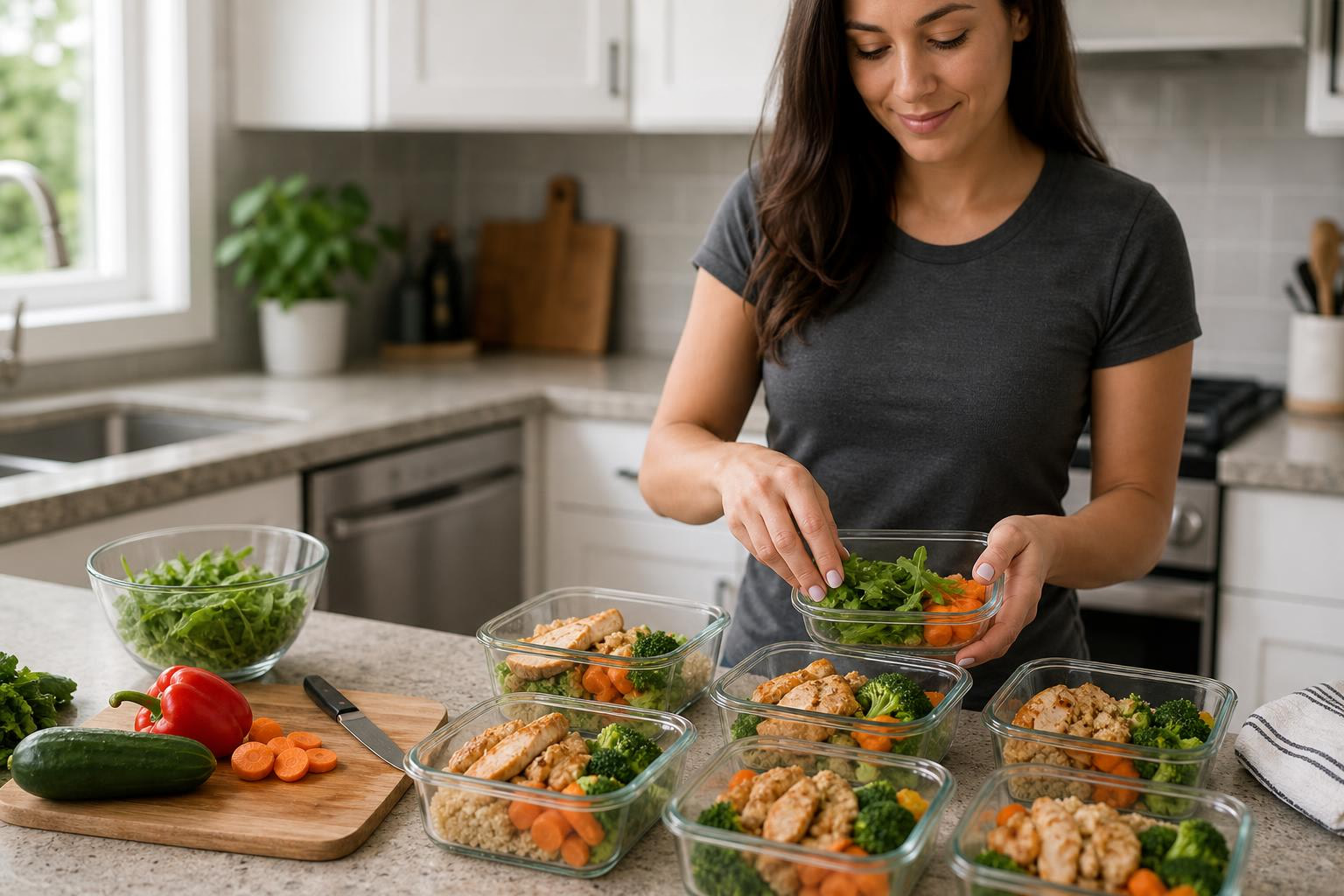
Batch prep is the real secret. Practitioners on Reddit consistently say the biggest predictor of eating a high protein breakfast isn’t willpower or recipes. It’s having food ready to go. Prep overnight oats in bulk on Sunday, freeze breakfast burritos and waffles for the week, or keep pre portioned yogurt and washed berries in the fridge.
Audit what you currently eat. Before changing anything, check the protein content of your existing breakfast. Many people discover they’re eating 5 to 8 grams when they assumed they were closer to 20. One small adjustment, like switching from regular oats to protein oats, can double your intake overnight.
Add protein to what you already enjoy. Stir protein powder into oatmeal. Add hemp seeds to your smoothie. Put nut butter on your toast. Swap regular granola for a high protein version. Small additions compound quickly, and you don’t need to overhaul your entire morning routine.
Think globally for inspiration. Many cultures have long traditions of high protein, egg free breakfasts. Indian chilla (chickpea flour pancakes), Japanese miso soup with tofu, Mexican molletes, and Middle Eastern labneh with za’atar all deliver protein without eggs. Borrowing from these traditions expands your options far beyond the standard Western breakfast playbook.
Get personalized targets when general advice isn’t enough. Protein needs vary based on body weight, activity level, health conditions, and medications. A registered dietitian can create targets specific to your labs, medical history, and goals. Vedic’s team of RDNs works with clients across Texas via telehealth, and 95% of clients pay $0 out of pocket with insurance.
Frequently Asked Questions
How much protein do I need at breakfast?
Most adults benefit from 20 to 30 grams. The exact amount depends on your total daily protein target, which is influenced by body weight, activity level, and health goals. A 150 pound person focused on muscle maintenance might aim for 25 to 30 grams, while someone eating smaller, more frequent meals throughout the day might do well with 15 to 20 grams.
What has the same protein as two eggs?
Two eggs provide about 12 grams of protein. A single cup of Greek yogurt (20g), half a cup of cottage cheese (14g), or half a block of firm tofu (15g) all match or exceed that amount. A full cup of cottage cheese (27g) delivers more than double.
Can I get enough protein without eggs or dairy?
Yes. Tofu, tempeh, lentils, chickpea flour, edamame, hemp seeds, soy milk, quinoa, and plant based protein powder are all strong options. A 2025 study in the European Journal of Nutrition found that plant based protein triggered the same satiety hormone response as animal protein when the total amount (30g) was matched.
Is 30 grams of protein at breakfast too much?
For most healthy adults, 30 grams at breakfast is safe and well within what research supports for satiety and blood sugar regulation. People with kidney disease should consult their doctor before significantly increasing protein. For everyone else, this amount is a reasonable and well studied target.
What’s the fastest high protein breakfast without eggs?
A protein shake or smoothie takes under three minutes. Greek yogurt with toppings is equally fast. If you prepped overnight oats or chia seed pudding the night before, that’s ready in zero minutes. A high protein granola bowl over yogurt is another sub three minute option.
Are high protein breakfasts good for weight loss?
Yes. Protein increases fullness and has the highest thermic effect of any macronutrient, meaning your body burns more calories digesting it compared to carbs or fat. Starting the day with adequate protein reduces the likelihood of overeating later.
Why are people looking for egg alternatives more now?
Several factors have converged: growing egg allergy awareness, the rise of plant based eating, and the 2025 egg price spike driven by avian flu outbreaks. Even as prices have come down, many people who explored egg free breakfasts during the shortage discovered they preferred the variety.
Do I need protein powder to hit my breakfast protein goals?
No. Protein powder is convenient but optional. Cottage cheese, Greek yogurt, tofu, tempeh, beans, quinoa, and smoked salmon all deliver meaningful protein without any supplements. Powder simply makes it easier to reach higher targets (30g+) when time or appetite is limited.
What are the best vegan options on this list?
The tofu scramble, tofu breakfast bowl, chickpea flour omelet, chickpea flour pancakes, tempeh avocado toast, edamame stir fry, vegan breakfast burrito, and black bean avocado toast are all fully vegan. Several others (overnight oats, chia pudding, protein smoothies, granola bowls) become vegan when made with plant milk and plant based protein powder.
.svg)
.svg)











.webp)
.webp)
.webp)
.webp)
.webp)
.webp)
.webp)
.webp)
.webp)

.webp)
.webp)
.webp)
.webp)

.webp)